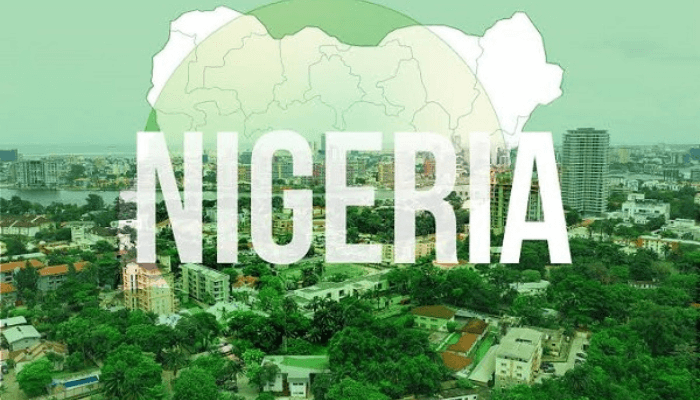
Taking definitive action on some long-standing reforms is all that stands between Nigeria and a part of the much-needed concessionary loans it needs to fill a gaping revenue shortfall that threatens to unravel the economy.
Nigeria is unlikely to draw down on a World Bank $1.5bn credit unless it ends a controversial multiple foreign exchange rate practice, formally halts the cash guzzling fuel subsidy regime and significantly improves transparency at its state oil firm, the Nigerian National Petroleum Corporation (NNPC).
These are part of a list of 10 conditions which the bank has been negotiating with Nigeria’s government, but BusinessDay learnt that the requirements have now been narrowed to three irreducible conditions that Nigeria must satisfy before a drawdown.
The World Bank loan is part of the $6.9 billion Nigeria seeks from multilateral lenders in order to fight the COVID-19 pandemic and the oil price crash which has blown holes in government revenue and exposed the flailing economy.

The West African nation already secured $3.4 billion from the International Monetary Fund (IMF) last month.
Patience Oniha, director-general of the Debt Management Office, said last week that another set of loans including $1.5 billion from the World Bank and $500 million from the African Development Bank (AfDB) would be validated by the banks anytime between June and July this year.
But sources say the World Bank component is largely dependent on Nigeria’s exchange rate policy, fuel subsidy regime and a makeover of the NNPC.
While the Central Bank insists that it does not operate multiple exchange rates, Nigeria has been unable to persuade the World Bank officials that this is the case. The bank officials point to the official rate that has moved to N360 per US dollar and there is also the I & E rate which is at N380.
The NNPC has said that it does not engage in under-recovery any longer given that oil prices have fallen below the pump price which made it necessary to cut petrol price to N123 per litre, but the World Bank is insisting that what has happened to petrol pricing in Nigeria does not amount to a policy change and if it did, there would need to be a clear and concise policy statement to this effect.

That policy statement would then need to be backed up by legislation that officially puts an end to the wasteful subsidies.
Thirdly, the World Bank says the country will do better with improved transparency at the NNPC, especially given its central role in economic matters as well as revenue generation in Nigeria.
The World Bank’s demands are no different from what government officials promised the IMF in a letter of intent in the process of securing the $3.4 billion loan from the Fund.
“The World Bank is having to ration funds among countries in need of urgent financial assistance, and there are quite a number of them, which is why they are making demands on Nigeria before granting a loan request,” a senior investment banker familiar with the negotiations between the government and the World Bank said.
“Nigeria will be wise to expedite action in meeting those demands, which are very positive for the economy anyway, so as not to pass up the opportunity of accessing such cheap concessionary loan,” the person said.
A senior business leader said Nigeria is likely to dilly-dally on the reforms for as long as possible unless there is political will within the government, something he says may be lacking.
“These are unprecedented times when you expect the government to speed up the process of reforming the economy. It’ll be a shame if we let such a good crisis go to waste,” the business leader said.
A bleak future without petrodollars is something Nigeria has been warned about for years, yet the day of reckoning has caught the government unprepared and scampering for a way out against the odds.
The times have rapidly changed for Africa’s largest oil producer facing a “double whammy”, as the minister of finance, Zainab Ahmed, puts it, of tumbling oil prices and the coronavirus pandemic.
The true depiction of how Nigeria has fallen on hard times stems from the government’s own estimates that oil revenues will fall by 80 percent this year.
The government expects GDP to contract by 3.5 percent this year. That’s significant for two reasons. Not only is it going to mark the country’s biggest economic contraction since 1987, it’s the first time the Nigerian government is less optimistic about its economy than independent economists and the likes of the International Monetary Fund (IMF).
Though still in the same ball park as the IMF’s forecast, the government’s growth outlook is actually worse than the Fund’s 3.4 percent estimate.