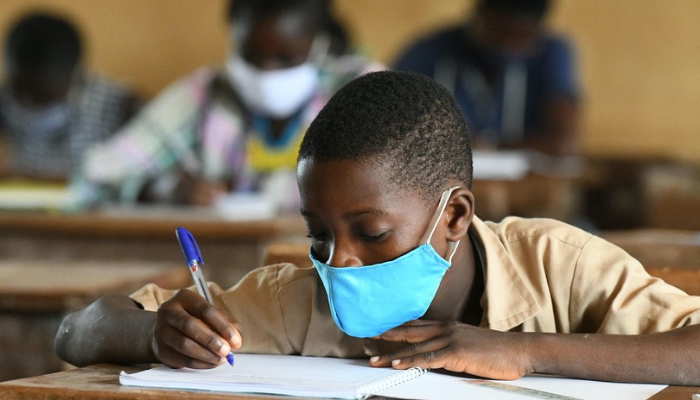
Our classrooms are stuck in the past. The average Nigerian child spends their formative years memorising definitions and copying notes off the board, preparing for exams that don’t test understanding, just recall. By the time they graduate, they are poorly equipped to think critically, solve real problems, collaborate effectively, or even communicate clearly.
This has direct consequences for Nigeria’s economy. We talk endlessly about job creation and innovation, yet we continue to send young people into the workforce who haven’t been taught how to think, only what to remember. And we expect productivity. We expect entrepreneurship. We expect growth. It simply doesn’t work that way.
The future of work, in Nigeria and globally, demands critical thinking, empathy, digital literacy, and adaptability. These are not skills that magically appear after university. They are 21st-century skills that are built with intentionality, over time, in environments that encourage questioning, creativity, and real-world engagement.
Read also: NEDC moves to revamp Tsangaya Education against wrong teaching in N’east

This is why at KEY (Keep Educating Yourself) academy, we have embraced a radically different model: project-based learning (PBL). Our students, from as early as age 3, learn through inquiry and hands-on exploration. They don’t just “cover” subjects – they investigate big ideas. A six-year-old might pitch a product idea at the end of term. An eight-year-old might design and conduct a historical photo project about their community. A nine-year-old might work on providing sustainable solutions to a community in need. These aren’t hypothetical examples; they’re real experiences our students have had.
Project-based learning isn’t a luxury or a gimmick. It’s an approach backed by research and global best practices. It helps students build 21st-century competencies: critical thinking, communication, collaboration, and creativity. It demands rigour, depth, and the ability to apply knowledge meaningfully. It bridges the gap between what we teach and what Nigeria and the world need.
When we frame education purely as a way to pass exams, we shrink it. When we design learning to help students engage with the world and improve it, we unlock true potential.
Too often, the debate around education in Nigeria has been narrowly focused on access. But I believe the question is access to what? If we continue offering outdated content, delivered through rigid, teacher-centred methods, we will simply scale mediocrity.
What we need is a transformation of purpose. Education must become a vehicle for agency – not just survival. We must equip our students not only to enter the workforce but also to transform it.

That means we need bold, long-term investments in teacher training and school innovation. We need to stop outsourcing the responsibility of curriculum design to colonial-era relics and start building a system that reflects the skills, contexts, and challenges our young people will actually face.
And let’s be honest – this is not just an education issue. It’s a productivity issue. It’s a talent pipeline issue and a national competitiveness issue. Our economic future is tied directly to the quality of learning we offer our children today. No matter how much capital flows into the country, it will mean little if we cannot produce employees, entrepreneurs, and citizens who can think, build, and lead.
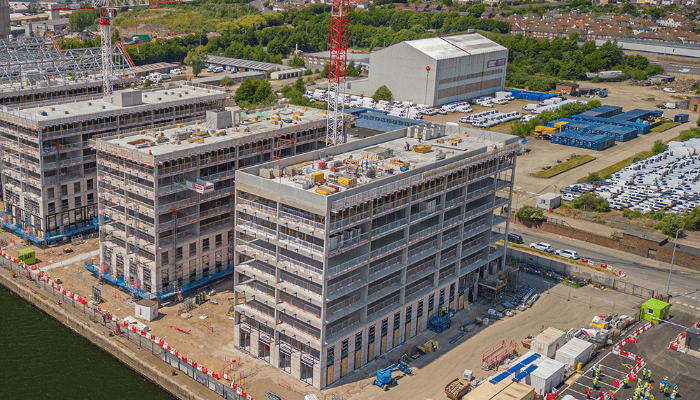
This is the gap KEY Academy is working to close. We launched in 2019 as a single school, but from the beginning, our ambition has been national. We’re building a scalable model. Beyond serving our students, we want to spark a wider movement for 21st-century project-based learning across Nigeria. We know that even if we built another 100 KEY academy schools, we would not make a dent. That’s why instead, we are building a 15,000 sqm secondary school and innovation campus that will allow us to roll out our methodology through a digital nationwide teacher training platform, events, books, digital content, and ultimately policy reform.
Read also: NEDC boosts teaching in Yobe with training of 200 teachers
This month, KEY Academy was honoured to be shortlisted among the top 10 schools globally for the 2025 World’s Best School Prize in Innovation, presented by T4 Education. We are the first school in Nigeria and in West Africa to receive this recognition, a powerful affirmation that world-class education can be designed and delivered right here in Nigeria.
We cannot memorise our way out of poverty – but if we’re willing to rethink what learning looks like, we can learn our way into a more equitable, prosperous, and innovative future.
Damilola Okonkwo is the Founder of KEY Academy, a social enterprise dedicated to redefining education in Nigeria through 21st-century project-based learning.