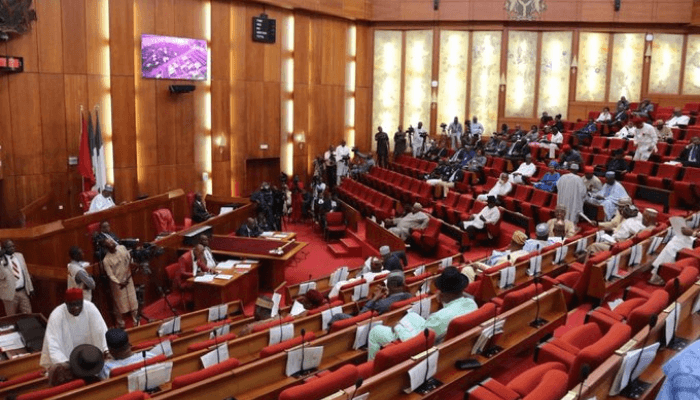
Concerns over discrepancies between Nigeria’s newly gazetted tax reform laws and the versions approved by parliament have intensified after the National Assembly released Certified True Copies (CTCs) of the legislation.
The House of Representatives on Saturday published the CTCs of four tax reform Acts signed into law by President Bola Tinubu, following public complaints about alleged post-passage alterations and the circulation of unauthorised texts.
The Acts are the Nigeria Tax Act, 2025; Nigeria Tax Administration Act, 2025; National Revenue Service (Establishment) Act, 2025; and Joint Revenue Board (Establishment) Act, 2025.
House spokesman Akin Rotimi said the Speaker of the House and Senate President Godswill Akpabio ordered the release after reports emerged of conflicting versions of the laws in circulation. He said lawmakers acted to provide authoritative records of what the legislature approved and transmitted for presidential assent.

Read Also: NNPC faces mounting strain as subsidiary debts swell to ₦30.3 trillion
The move followed claims raised during plenary by lawmaker Abdulsamad Dasuki, who said the gazetted laws did not reflect provisions debated and passed by the House, arguing that the discrepancies violated lawmakers’ legislative rights.
Parliament passed the tax bills in February after months of debate, public hearings and clause-by-clause consideration. Lawmakers later harmonised the bills with the Senate’s version before Tinubu signed them into law on 26 June.
A comparison of the CTCs and the gazetted laws shows that several provisions now in force do not appear in the versions passed by the National Assembly, lending weight to claims of post-passage changes.
One of the most significant differences appears in Section 3 of the Nigeria Tax Administration Act. The House-approved version assigns the Nigeria Revenue Service responsibility for administering key federal taxes, including petroleum income tax and Value Added Tax (VAT). Both items are missing from the gazetted law.

Further differences appear in Section 29, which governs financial disclosures by banks and other institutions. The parliamentary version requires annual returns triggered at ₦50 million in cumulative monthly transactions for individuals and ₦250 million for companies, with safeguards limiting disclosures and requiring formal notice. The gazetted law shifts to quarterly reporting, lowers thresholds to ₦25 million and ₦100 million respectively, and removes several procedural protections.
Section 39 also differs. Lawmakers approved provisions allowing taxes, including those from petroleum operations, to be assessed and paid in the transaction currency. The gazetted version mandates that petroleum-related taxes be computed in US dollars, a change with implications for costs and foreign exchange exposure.
The CTCs also show that Sections 41(8) and 41(9) of the Nigeria Tax Administration Act, which impose a 20 per cent deposit requirement before taxpayers can appeal Tax Appeal Tribunal decisions to the High Court, do not appear in the House-passed version.
Differences extend to enforcement powers. Under Section 60, the House version allows tax authorities to appoint agents of taxpayers but does not permit such action without a court order. Section 64 limits authorities to investigations. The gazetted law expands these powers by introducing arrest provisions through law enforcement agencies, a language absent from the certified legislative text.
Discrepancies also appear in the National Revenue Service (Establishment) Act. The National Assembly version requires quarterly and annual reporting to parliament and empowers lawmakers to summon the service’s leadership. The gazetted law omits those oversight provisions and retains basic audit requirements.
In the Joint Revenue Board (Establishment) Act, the CTCs show that lawmakers required explicit board authorisation for officers exercising their powers. The gazetted law adopts broader wording and alters funding provisions, removing explicit references to the Consolidated Revenue Fund for certain institutions.