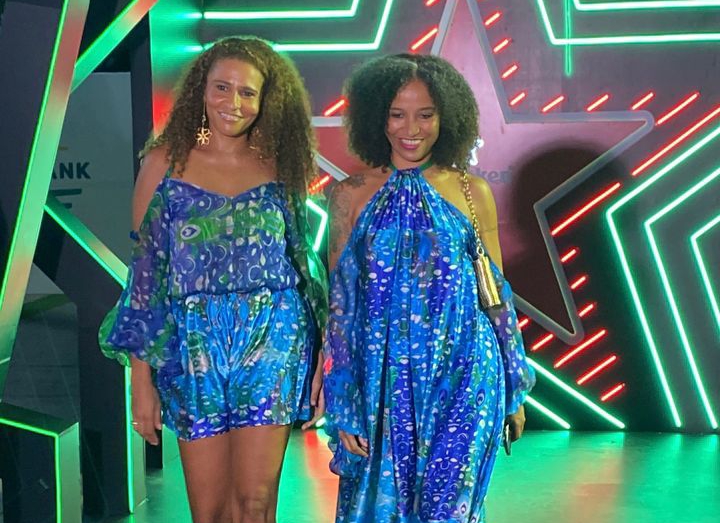
Lagos came alive with colour, rhythm, and confidence as the 15th edition of Lagos Fashion Week (LFW) brought together designers, models, and culture enthusiasts from across the continent.
This year’s showcase, officially branded “Heineken Lagos Fashion Week (HLFW),” marked a decade-long partnership between Heineken and LFW that has reshaped African fashion into a driver of sustainability, creativity, and economic visibility.
Since 2015, Heineken’s collaboration with Lagos Fashion Week has evolved from a traditional sponsorship into a strategic partnership with purpose, one that champions sustainable design, nurtures emerging talent, and positions Lagos as a leading hub for fashion innovation in Africa.
This alliance has strengthened the city’s creative ecosystem and also amplified Africa’s voice in the global fashion conversation.

“Heineken’s partnership with Lagos Fashion Week celebrates the creativity and cultural robustness that make this city so unique,” said Sandra Amachree, Head of Marketing Communications, Nigerian Breweries Plc. “Fashion is a force for progress and identity, far beyond aesthetics.”
A platform for purpose-driven design
Founded in 2011 by Omoyemi Akerele, Lagos Fashion Week has evolved from a local runway show into a continental movement driving sustainability and economic empowerment.
“What began as fashion week is now a movement,” Akerele said. “It’s about education, mentorship, and accountability proving that African creativity belongs on the global stage as leadership.”
This year, Lagos Fashion Week earned a finalist spot for the Earthshot Prize, an environmental award launched by the Prince of Wales, and Akerele herself was listed among TIME Magazine’s most influential climate leaders of 2025.

Despite Nigeria’s economic hurdles, from limited funding to unstable infrastructure, the event’s success underscored the resilience of Africa’s creative ecosystem. Partnerships with brands like Heineken, MTN, Nivea, Meta (Facebook), etc, have helped sustain the event’s mission, to push the boundaries of fashion, not just in style but in substance.
Designers turning waste into art
Among this year’s stars was Titus Doku, founder of Ghana’s Calco Studios, who brought sustainability to life through upcycling. “I use secondhand clothes from Kantamanto market in Accra, about 15 million pieces arrive there every week,” he said. “Instead of letting them rot, I transform them into new, wearable art. Fashion should help the planet, not harm it.”
Doku’s designs blend creativity and conscience, merging waste management, heritage symbols, and design innovation.
“I also use cultural motifs from my Dangbe tribe,” he said. “Our ancestors migrated from Ile-Ife, Nigeria. My work connects us back to that shared origin.”
The Green Access Initiative, part of Lagos Fashion Week, also spotlighted Alexandra Obochi, founder of Ndiche, a Nigerian brand championing sustainability through repurposed fabrics and body diversity.
“We use denim, cotton, and batik to tell stories of identity,” she said. “Our goal is to make people feel confident and connected to culture, no matter who they are.”
For Obochi, sustainable fashion is as much about representation as it is about the environment. “We feature models of all body types,” she said. “Our pieces are designed to make everyone feel seen.”
Youth, identity, and a new creative consciousness
Africa’s sustainability wave is being powered by its youth. With more than 60% of Africans under 25, a new generation is shaping the continent’s fashion identity, one that blends cultural pride with environmental awareness.
Bakare Mubarak, one of Africa’s most recognisable models, believes this generation is redefining fashion’s purpose. “People are beginning to embrace their Africanness,” he said.
“They’re wearing their heritage; their fabrics, their colours, with pride. African fashion is no longer imitation; it’s innovation.”
Mubarak urged global brands to invest more deeply in the communities that inspire their products. “Many of these companies profit from African creativity,” he said. “They should also help sustain it. Platforms like Lagos Fashion Week make that possible.”
A green love letter to Lagos
Heineken’s grand finale, A Lagos Love Letter, “City of Cities”, captured this shift perfectly. Through light, rhythm, and movement, it celebrated the evolution of Lagos Fashion Week, from legacy to innovation.
“Leadership isn’t just about visibility,” said Amachree. “It’s about showing up differently and daring to tell new stories.”
For founder Akerele, the journey continues. “Our goal is simple,” she said. “To make sustainability part of Africa’s fashion DNA, where culture, creativity, and responsibility coexist.”