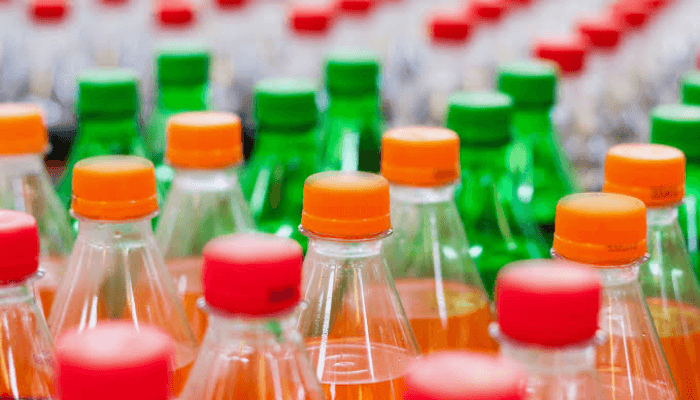
A sharp division emerged on Thursday among key players in the finance, health, and manufacturing sectors over the Senate’s move to raise excise duty on carbonated sugar-sweetened beverages (SSBs) through an amendment of the existing law.
The Senate Committees on Finance and Customs, which are considering a bill proposing a percentage levy per litre of SSBs to curb excessive sugar consumption, convened a public hearing to gather stakeholder input.
The session, chaired by Sani Musa (Niger East), revealed contrasting positions as experts and industry representatives either backed or opposed the proposed tax hike.
In his presentation, Ali Pate, Coordinating Minister of Health and Social Welfare, declared unequivocal support for the bill, describing it as “a progressive, evidence-based approach to public health financing.”

“We commend the Senate for proposing a bill that seeks to increase the excise tax on sugar-sweetened beverages and earmark part of the revenue for health promotion,” Pate said.
Read also: Nigeria’s sugar crisis is a myth, and our economy may pay the price for believing it
“This measure demonstrates strong political will, aligns fiscal policy with public health goals, and provides sustainable financing for prevention programmes, critical steps toward achieving universal health coverage.”
Pate recommended that the current ₦10-per-litre SSB tax be increased to at least 20% of the retail price, in line with World Health Organization guidelines.
He further urged lawmakers to earmark at least 40% of the generated revenue for public health programmes focused on preventing diet-related non-communicable diseases.

“If we fail to act now, in 10 to 20 years we will face a far higher burden of diabetes, hypertension, and other complications that will place even greater demands on our fiscal resources for treatment,” he warned, adding, “Prevention is far more cost-effective than cure.”
Public health groups such as the Nigeria Cancer Society and the Diabetes Association of Nigeria backed the bill, citing rising health risks linked to sugar consumption.
However, strong opposition came from the Manufacturers Association of Nigeria (MAN), the Ministry of Finance, and the Nigeria Employers’ Consultative Association (NECA).
Representing MAN, Adeyemi Folorunsho argued that the proposed tax hike could lead to job losses in the beverage and manufacturing sub-sectors.
He also contested the health rationale driving the legislation.
“Contrary to the erroneous belief, Nigeria has the lowest rate of sugar consumption in the world—8.3 million kilogrammes compared to the 22.1 million kilogrammes benchmark,” he asserted, dismissing claims that SSB consumption is a major driver of diabetes and obesity in the country.
Folorunsho urged the committee to adopt a “win-win engagement” in considering the bill to avoid harming local industries.
In his closing remarks, Musa assured stakeholders that the final legislation would reflect balance and fairness.
“The law we present at the end of this process will be fair, transparent, and people-oriented,” he said.