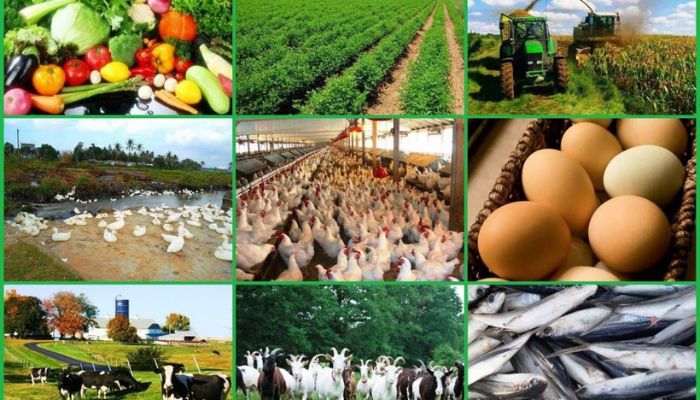
With Nigeria’s population projected to exceed 350 million by 2050, the challenge of ensuring food security for a growing nation is more pressing than ever. Despite being one of Africa’s leading agricultural producers, Nigeria loses up to 40 percent of its food production annually, majorly due to inefficiencies in processing, storage, and distribution. This loss, estimated by the Food and Agriculture Organisation (FAO), means that a significant portion of food never reaches consumers, worsening hunger, malnutrition, and economic instability. Addressing these challenges requires a transformation of Nigeria’s agricultural value chain, ensuring that food moves seamlessly from farm to fork with minimal waste and maximum efficiency.
Animal protein is a critical component of nutrition, yet access remains limited for millions of Nigerians due to high costs, supply chain gaps, and post-production losses. Poultry is one of the most accessible protein sources, with demand increasing annually. However, the country risks falling short of meeting this growing demand without the necessary infrastructure and systems. At Amo Farm Sieberer Hatchery Ltd., we are at the forefront of efforts to strengthen Nigeria’s agricultural value chain, ensuring sustainable food production, efficient processing, and improved distribution networks. As Nigeria’s largest hatchery operation, producing over 1 million day-old chicks per week, we recognise the urgency of bridging the gap between supply and demand while enhancing the livelihoods of farmers, retailers, and consumers alike.
One of the most transformative innovations in the Nigerian poultry industry is Noiler, a dual-purpose breed of chicken developed by Amo Farm to provide an affordable, scalable protein solution. Unlike native chicken ecotypes, which grow slowly and produce fewer eggs, the Noyla is designed to thrive in rural and urban settings with minimal feeding costs. It lays five times more eggs than native breeds and grows three times faster, making it a practical choice for households looking to supplement their nutrition and income. With Nigeria’s per capita protein consumption still below global recommendations and over 40 percent of children under five suffering from malnutrition according to UNICEF, Noiler presents a sustainable way to combat protein deficiency across the country. The long-term vision is for millions of Nigerian families to raise Noilers, ensuring that fresh eggs and poultry meat are readily available while generating economic opportunities for small-scale farmers.
Read also: Top 5 issues to shape Nigeria’s agriculture in 2025

Despite the clear benefits of poultry farming, processing bottlenecks remain a major challenge in Nigeria’s agricultural sector. Smallholder farmers, who make up the majority of poultry producers, often lack access to reliable slaughtering and packaging infrastructure, leading to high post-production losses and limited market access. Without proper processing facilities, poultry and other perishable foods deteriorate quickly, reducing the income potential for farmers while contributing to food shortages in urban areas. Amo Farm is addressing this issue by investing in scalable poultry processing solutions, ensuring that high-quality chicken reaches Nigerian households with minimal waste and maximum efficiency. The introduction of modular processing machines, designed for small farmers, allows them to process and package poultry within their communities, ensuring that locally raised chicken is available in neighbourhood markets. On a larger scale, natnudO Foods, Amo Farm’s consumer-facing brand, operates state-of-the-art automated processing facilities, guaranteeing consistently high-quality poultry, beef, fish, shrimp, and eggs for Nigerian consumers.
Improving cold storage infrastructure is another essential step in strengthening the agricultural value chain. Currently, less than 10% of perishable foods in Nigeria are transported using cold storage systems, leading to massive food spoilage and economic losses. Without proper refrigeration, animal protein deteriorates before reaching consumers, causing price volatility and reducing accessibility. Amo Farm is actively working to expand Nigeria’s cold chain infrastructure, ensuring that poultry, beef, and seafood remain fresh from farm to market. Investments in cold storage hubs and cold-chain transportation will help reduce food waste while ensuring stable food prices and year-round protein availability. Additionally, the entrePreneur Seller Programme equips small retailers with solar-powered refrigerators, allowing them to sell high-quality poultry in urban and rural communities without the risk of spoilage.
Distribution remains a major barrier to ensuring protein availability in Nigeria, particularly in underserved rural areas and rapidly expanding urban centres. By 2050, Nigeria’s urban population is expected to increase by 70%, placing enormous pressure on food supply chains. Without proper distribution networks, food shortages in cities will become more severe, while rural farmers will struggle to access profitable markets. Amo Farm is expanding its reach through direct retail partnerships, outgrower programmes, and institutional supply chains, providing market access for commercial poultry farmers in five zones of Nigeria. The natnuPreneur Outgrower Program is a key initiative supporting this effort, providing farmers with essential inputs, training, and guaranteed buyback agreements, reducing their financial risk and ensuring a stable supply of poultry for the market.
As the global food industry moves towards sustainability and resilience, Nigeria must embrace innovation in agricultural practices to ensure long-term food security. Strengthening the agricultural value chain is not just about increasing food production—it is about ensuring efficiency, reducing waste, and making nutritious food available to all. Amo Farm’s integrated approach—from hatchery operations to outgrower partnerships, from processing to last-mile distribution—is setting a new standard for agribusiness in Nigeria. By investing in modern poultry processing, expanding cold storage capabilities, and improving distribution networks, we are working towards a future where no Nigerian has to struggle to access high-quality protein.
Looking ahead, Nigeria’s agricultural sector must continue to prioritise innovation, collaboration, and investment in infrastructure. By 2050, the country must be prepared to feed over 350 million people, a challenge that requires a well-coordinated effort between agribusinesses, policymakers, and development partners. Amo Farm remains committed to leading this transformation, ensuring that millions of Nigerians have access to safe, affordable, and high-quality animal protein. The future of Nigeria’s food security depends on bold, forward-thinking solutions, and by strengthening the agricultural value chain today, we are securing a more food-secure future for generations to come.

Itoro Awala-Ale is the Group Business Development and Communications Manager Amo Farm Sieberer Hatchery Ltd.