…H1 surpluses increase to ₦7.1trn as FG boosts transfers, cuts waste
Nigeria’s 36 States collectively recorded a budget surplus of ₦7.1 trillion in the first half of 2025 — equivalent to 3.1% of GDP — marking a sharp turnaround from 1.8% just two years ago. The increase reflects the impact of sweeping federal reforms, including the removal of fuel subsidies, enhanced revenue mobilization, and the repayment of longstanding arrears owed to subnational governments.
Wale Edun, Minister of Finance and Coordinating Minister of the Economy said the surpluses are enabling States to ramp up capital spending, a shift that could have far-reaching implications for infrastructure development and inclusive economic growth across the country.
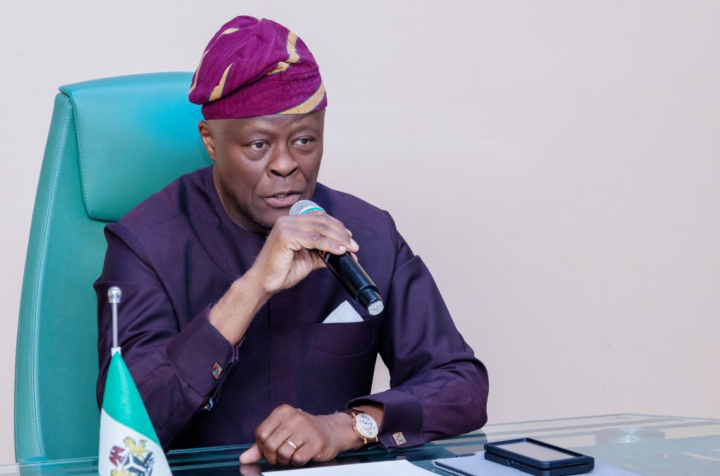
At a press briefing in Abuja on Thursday, Edun said the fiscal gains at the State level are a direct result of President Bola Tinubu’s economic strategy, which prioritises empowering subnational Governments through rule-based revenue sharing, better resource allocation, and stronger governance.

“Since the first half of 2023, the combined fiscal balance of the states has grown from 1.8% of GDP to 3.1%. That’s from ₦2.8 trillion to over ₦7 trillion exactly, which is a surplus,” Edun said.
The improved fiscal position follows significant policy shifts, including the elimination of fuel subsidies — a move that previously consumed up to 5% of GDP annually. These savings, now redirected to the Federation Account, have enabled the federal government to boost allocations to state governments while also settling historic debts owed to them.
“Funds that were due that hadn’t been paid to them have, under the law, under the regulations, been made available to the states,” Edun added. “This, as we have said, has increased their surpluses.”
The surpluses are already being put to work, with a large portion channeled into capital expenditures — a marked shift from historical patterns of recurrent-heavy spending. According to Edun, state-level investments are now focused on infrastructure, health, and education, aligning with the government’s broader agenda to stimulate inclusive, bottom-up growth.
“From an economic classification standpoint, it must be said that the increase in spending of the states has in fact mainly gone to capital expenditure,” the minister noted.

Alongside fiscal devolution, the Tinubu administration is implementing Nigeria’s most comprehensive tax reform in decades. The goal is to increase the tax-to-GDP ratio, digitize revenue collection, and reduce inefficiencies. Artificial intelligence and other digital tools are being deployed to modernize the country’s tax infrastructure. This is as global constraints on fiscal space — particularly in emerging markets — have underscored the urgency of self-reliance.
Edun pointed to declining overseas development assistance and rising debt servicing costs as a wake-up call for developing nations to fund their own development through internal reforms and resource optimization.
“We must rely on our own resources,” he said. “We must remove subsidies that are untargeted and inefficient. We must increase our own internal revenue, and that is exactly what is being done.”
To further strengthen public finances, the federal government is also prioritising savings from Federation Account inflows and tightening oversight on public spending. Efforts are underway to streamline excessive allocations to some government institutions and to build fiscal buffers against future shocks, the minister disclosed, just as he assured that direct support to vulnerable Nigerians is still ongoing.
According to him, approximately 8 million citizens have received digital cash transfers as part of a broader initiative targeting 15 million beneficiaries using biometric and digital payment systems.