Stanbic IBTC Holdings Plc has released its financial results for half-year (H1) ended June 30, 2019.
The consolidated and separate interim financial statements were released to the investing public at the Nigerian Stock Exchange (NSE) on Wednesday August 28, 2019.
It shows the group’s gross earnings increase by 2.77percent to N117.37billion in H1’19 as against N114.207billion it recorded in H1’2018. Its Net Interest Income (NII) decreased to N39.31billion in H1’19 from N40.16billion in the corresponding first-half period of 2018.
Profit before tax (PBT) decreased by 11.99percent to N44.650billion for the period ended June 30, 2019 as against N50.730billion in H1’18.

Likewise, its profit after tax (PAT) stood lower at N36.245billion in H1’19 from a high of N43.084billion in H1’18.
Despite this dismal bottom-line figures, the management recommended the approval of an interim dividend of 100 kobo per share, which is the same amount paid as interim dividend in the half-year period ended June 30 2018. The proposed interim dividend amounts to N10.241billion.
Its basic earnings per ordinary share (EPS) was down to 342kobo as against 416kobo reported in H1’18. Stanbic IBTC Holdings Plc share price was unchanged at N35 at the sound of closing gong for stocks trading on the NSE.
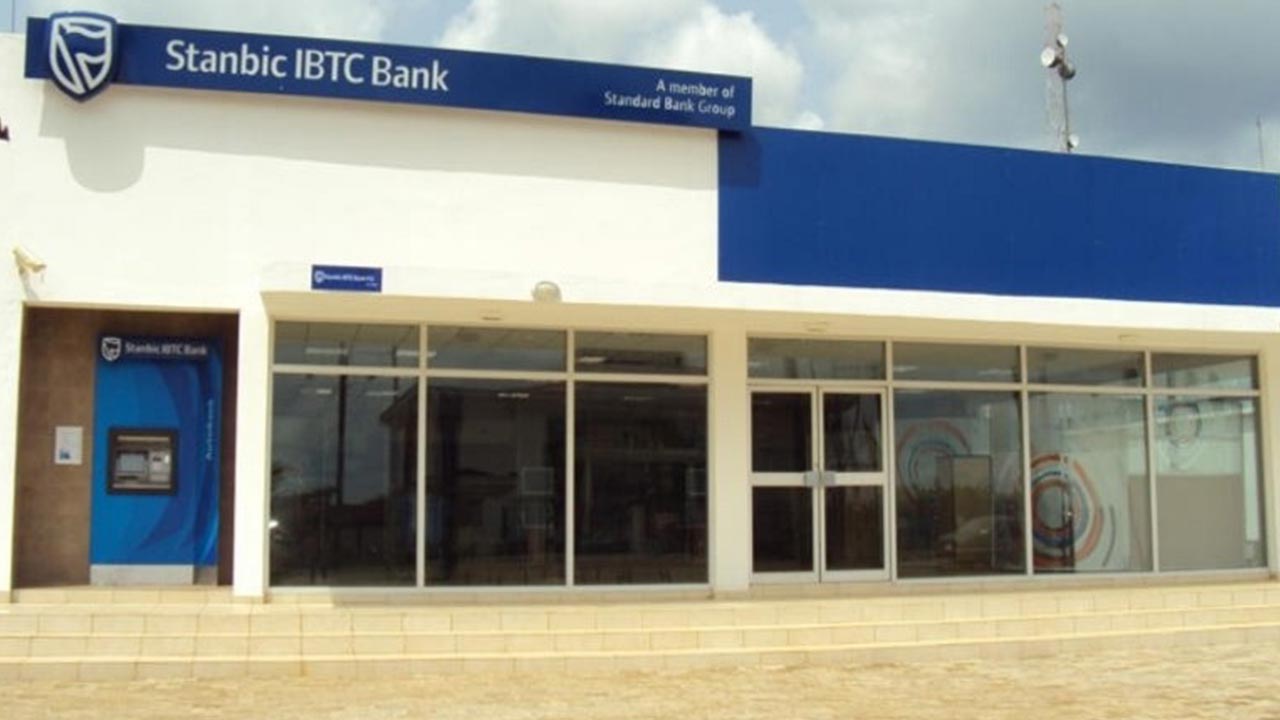
Stanbic IBTC Holdings Plc (the company), and its subsidiaries (the group), as a member of Standard Bank Group, operate under a governance framework which enables the board to balance its role of providing oversight and strategic counsel with its responsibility to ensure conformance with regulatory requirements, group standards and acceptable risk tolerance parameters.
The direct subsidiaries of the company are: Stanbic IBTC Bank, Stanbic IBTC Asset Management Limited, Stanbic IBTC Pension Managers Limited, Stanbic IBTC Insurance Brokers Limited, Stanbic IBTC Trustees Limited, Stanbic IBTC Stockbrokers Limited, Stanbic IBTC Ventures Limited, Stanbic IBTC Investments Limited and Stanbic IBTC Capital Limited. These subsidiaries have their own distinct boards and take account of the particular statutory and regulatory requirements of the businesses they operate.