Outrage over vigilante: A social media triumph in Anambra
It took the exposure of the incident on social media and sustained citizen criticism for the Anambra State Government to act on the atrocity of the savagery of its vigilante group, Agunechamba, against a serving corps member.
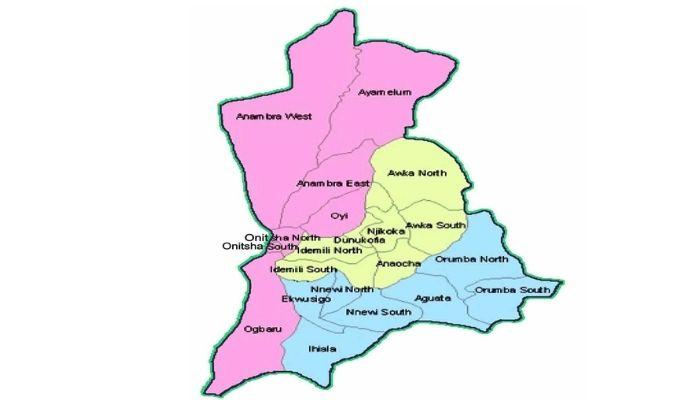
On 23 July 2025, operatives from the Agunechemba Vigilante Group in Anambra State assaulted Jennifer Elohor Edema, a female National Youth Service Corps (NYSC) member, and her colleagues at their lodge in Oba, Idemili South Local Government Area. The vigilantes accused them of internet fraud, despite the victims presenting valid NYSC identification cards. The operatives beat Edema, stripped her naked, and subjected her to threats and humiliation. They did not provide any proof of the allegation.
• Video Evidence: A video of the incident went viral on social media, showing the armed operatives violently attacking Edema and tearing her clothes. The footage sparked public outrage and demands for justice.

2. Response from Authorities
• Anambra State Government: The government condemned the assault and dismissed eight operatives involved in the incident. They were handed over to the police for prosecution. The government also covered Oedema’s medical bills and replaced damaged valuables, such as laptops and phones.
• Police Involvement: The Anambra State Police Command confirmed the arrest of the suspects and emphasised that assault is a criminal offence under Nigerian law. They warned vigilante groups against brutality and abuse of authority.
• NYSC Reaction: The National Youth Service Corps described the attack as “unacceptable and dehumanising” and supported the police investigation. They also provided administrative support to help Edema manage the physiological and psychological trauma.
Public and Political Reaction

• Public Outrage: The incident sparked widespread condemnation across social media, with many Nigerians demanding justice for Edema and accountability from the vigilante group.
• Governor’s Wife Intervention: Dr. Nonye Soludo, the wife of the Anambra State governor, contacted Edema to offer sympathy and invited her to the Government House. She emphasised that there was no justification for the assault.
Broader Context and Patterns
• History of Abuse: The Agunechemba Vigilante Group, also known as Operation Udo Ga-Achi, has been associated with numerous cases of brutality, extortion, and extrajudicial killings since its formation in January 2025. Incidents include:
Extortion and killings in Owerre-Ezukala (January 2025).
Clashes with Awada landlords (March 2025).
Murder of a woman in Nnewi (April 2025).
Death of a 12-year-old boy in Onitsha South (June 2025).
• Operational Mandate versus Abuse: The group was established under the Anambra State Homeland Security Law 2025 to address kidnapping, banditry, and cultism. Nevertheless, its operatives have frequently gone beyond their remit, engaging in human rights abuses.
? 5. Key Issues and Implications
• Accountability Delays: The incident was not addressed until the video went viral a month later, raising concerns about the government’s responsiveness without public pressure.
• Impact on Corps Members: The assault has heightened fears among NYSC members serving in Anambra, potentially affecting their sense of security and willingness to serve in the state.
• Victory for public opinion: Social media celebrated the belated response of the Anambra State Government as a positive for the raised voices of citizens!
• Cold feet on prosecution. Prosecution of the offenders may stall. The Anambra State Police Command claimed in a statement that Miss Edema’s family pleaded to withdraw to avoid further exposure of the damaging video and future consequences for their daughter. The police claimed the family appealed to citizens to delete the video wherever they find it. It may be a tough call in the age of online media.

2. TikTok surges in Nigeria
TikTok’s Dominance: TikTok continued its rapid growth in Nigeria, with a 56.9% increase in users, reaching 37.4 million users. Its short-form video features and AI-powered content recommendations drove engagement, particularly among younger demographics.
• Instagram’s Decline: Instagram experienced a substantial decline, losing 20.2% of its user base (down to 9.9 million users). This was attributed to changing user preferences and heightened competition from platforms like TikTok.
• X (Twitter) and LinkedIn Growth: X saw a 31.7% growth in users, reaching 7.57 million, while LinkedIn grew by 20.9%, indicating increased professional networking and news consumption on these platforms.
Understanding TikTok’s rise
TikTok has significantly grown in Nigeria over the last two years, evolving into one of the country’s most prominent social media platforms and a major driver of cultural trends, entertainment, and entrepreneurship. Data from early 2025 shows TikTok with 37.4 million users in Nigeria, rivalling Facebook in user numbers and experiencing substantial growth in potential ad reach. Nigeria’s large youth population fuels this surge, as well as the platform’s engaging short-form video format, and its use by creators, entertainers, and small businesses to promote their work and products.
Key Growth Indicators:
• User Numbers:
By early 2025, TikTok had 37.4 million users in Nigeria, making it the second most popular platform after Facebook.
• Ad Reach Growth:
TikTok’s potential ad reach in Nigeria saw a significant increase of 56.8% between the beginning of 2024 and early 2025.
• Cultural and Economic Impact:
The platform has become a crucial tool for Nigerian musicians, actors, and entrepreneurs to promote their work, connect with audiences, and drive economic gains.
• Creator Economy:
Nigeria has a thriving creator economy on TikTok, with creators using the platform to gain large followings and even launch successful careers.
Factors Driving Growth:
• Youth Population:
The platform’s lively and entertaining content aligns perfectly with Nigeria’s large, young demographic.
• Short-Form Video:
The mobile-first, visual, and short-form format of TikTok resonates strongly with users and creators in Nigeria.
• Viral Trends:
Viral challenges and trends on TikTok have a significant impact on popular culture and commercial success for artists and businesses.
• Platform Accessibility:
An easy-to-use interface makes it simple for users to create and share videos.
Overall Impact:
TikTok has evolved from a popular app to a crucial part of Nigerian digital culture. It functions as a powerful platform for cultural expression, community building, and a stepping stone for entrepreneurial success.
Rise of Social Commerce in Nigeria
Nigeria has established itself as a significant player in social commerce worldwide. Some statistics indicate that 98.2% of Nigerian users research products on social media, and 66.9% find brands through these platforms. Instagram Shops, Facebook Marketplace, and TikTok Shopping features are widely utilised for smooth in-app purchases.
Nigeria is not officially recognised as a global leader in social commerce, but it is emerging as one of the fastest-growing and most dynamic markets in this sector. Nigeria’s social commerce industry is forecast to grow rapidly, with estimates indicating an annual growth rate of around 38.3% to 43.3%, reaching values in the billions of US dollars by the mid-2020s. The country’s social commerce market is expected to reach roughly $1.55 billion by the end of 2024 and possibly exceed $2 billion by 2025, with continued strong growth anticipated beyond that.
Nigerian social commerce is characterised by a strong integration of e-commerce with social media platforms such as Facebook, Instagram, WhatsApp, and TikTok. A unique aspect is the “WhatsApp economy,” where a significant portion of online purchases in Nigeria begins with chat conversations, reflecting a cultural preference for interpersonal, relationship-based commerce rather than purely transactional models standard elsewhere. This approach has made Nigeria a leading example of how social commerce can be adapted to fit local cultural dynamics, which might serve as an innovative model globally.
While Nigeria is a key market with one of the fastest growth rates in social commerce, there is no conclusive evidence from the latest data that it currently holds the title of global leader in social commerce. It stands out for its rapid expansion, cultural adaptation, and innovative use of chat apps for commerce, positioning it among the top emerging markets to watch in this space.
Work-Related Social Media Usage: There has been a significant rise in professional use of social media, with 65.2% of users utilising platforms like LinkedIn for work purposes, reflecting a 26.1% year-on-year increase.
• News Consumption: Social media remained a primary news source for 56.6% of Nigerian internet users, one of the highest rates globally. Platforms like X and Facebook were key for real-time updates.