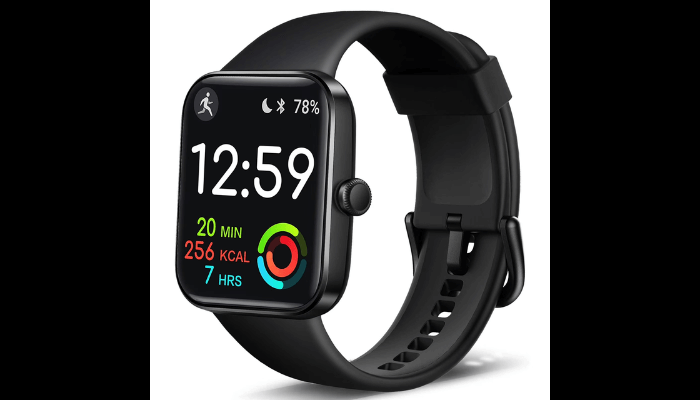
A few weeks back, I was about to purchase a smartwatch, not because I wanted to follow a trend, but because I felt it would be useful for tracking my steps, sleep, and fitness. A small gadget on your wrist that indicates whether you’re living a healthy life is promising. But as I explored further, I began to consider the privacy implications, where my data is stored, who has access to my data, and wondered whether someone else was tracking me.
A smartwatch is like a continuous personal health monitor. It tells you how many calories you burned while walking, how many steps you have taken and even reminds you to stay hydrated during the hottest parts of the day. Modern watches are equipped to detect your blood pressure, blood oxygen level, your heart rate, and alert you if your stress levels are rising. Some even let you control music, answer calls, and respond to messages without having to take out your phone. Both young and old around the world, including Nigerians, now view smartwatches as more than simply a device; it is a statement that you are modern, connected, and part of the latest trend.
It has also turned fitness into a game. You can compete with yourself as well as with your friends to determine who completes more steps, meets daily goals, and win those daily or weekly challenges. The little badges from completing those tasks may appear insignificant, but they provide a sense of accomplishment that keeps people going. Smartwatches can also be used as silent personal assistants by students, businessmen, and people in different careers. Alarms may be set to ring quietly in the middle of a lecture, meeting, or private gathering without causing any disruption to remind you of tasks without having to bring out your smartphone. Some modern gadgets even let you schedule breaks, which encourages you to take a walk or stretch after spending too much time sitting still.
The benefits are also starting to be recognized by our elders. For someone with diabetes or hypertension, a watch that monitors heart rate or issues health warnings can be a lifesaver. Knowing that our parents or grandparents can recognize early warning signals before they worsen gives families peace of mind. In a nation where health care is sometimes expensive or difficult to access, having a device that detects abnormal heartbeats, high stress levels, or can track the quality of sleep is powerful. It is not a replacement for a doctor, but it can provide you with early warning signs to pay attention to your health. For many people, the early warning might be the difference between prevention and an emergency.

Here’s where the story starts to get interesting. Every step you take, every heartbeat, and every sleep is data. You may believe that you are the one tracking your health, but in reality, the manufacturers of these smartwatches are collecting, storing, and analyzing the data collected. This is where I paused. Because it’s one thing for me to monitor my fitness through my watch, it’s quite different for companies around the world to know when I sleep, wake, run, go to work, and return home. That’s not simply exercise anymore; it’s monitoring. Let’s not jump too far ahead, smartwatches are important devices that are improving wellbeing of many people around the world. The question isn’t whether they’re useful. Yes, they are. The issue is, what happens with the information they collect?
This is where part 1 will end. In part 2, which will be published same time next week, there will be probing questions, such as who owns your fitness data, how long will the data be stored, how will these data be used, and how safe are the low-cost smartwatch manufacturers that are flooding the Nigerian market?
Adesola, Email: yemiadesola@gmail.com