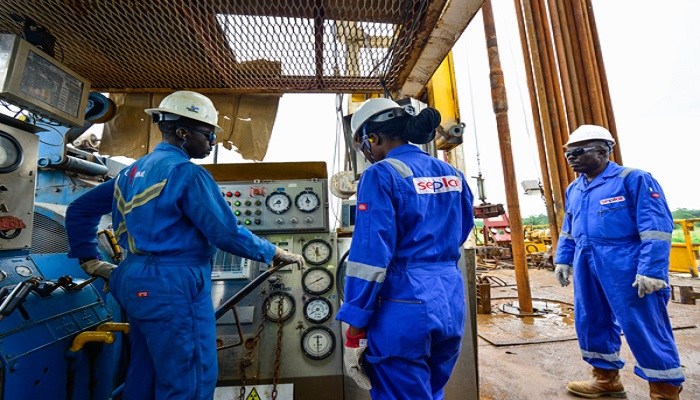
Shell Petroleum Development Company of Nigeria Limited (SPDC) and Shoreline Energy Limited (parent company of Gasland Company Ltd.) have signed an agreement to explore opportunities to buy, market, distribute and sell natural gas to consumers and companies in the Victoria Island, Ikoyi, Lekki, and Epe areas of Lagos.
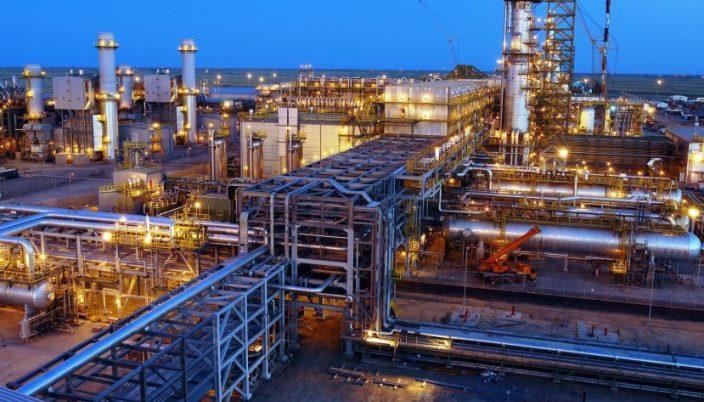
The deal, which industry sources said is in the region of $300 million, will see Gasland develop gas pipeline infrastructure in the those areas just as it helps to highlight the push by the world’s biggest energy groups to entrench demand for gas in growing economies of Africa.
According to Kola Karim, Chairman of Gasland and Chief Executive Officer of Shoreline Energy: “The partnership is a significant boost to the gas supply efforts of the Federal and Lagos State governments and will deliver tangible benefits to companies and households in Lagos”.
The deal is the latest example of global energy groups investing in terminals, pipelines and power infrastructure around Africa, as a way to promote gas as the best solution to the continent’s chronic shortage of electricity-generating capacity.

Philip Mshelbila, Shell’s general manager Gas, said, “We welcome this partnership with Shoreline to build on our companies’ gas supply strength and distribution know-how to deliver gas to customers in the franchise areas. This is an important next step in the expansion of the Nigerian domestic gas market which we have been pioneering since the 1960s.
“The project started in October 2015, when Shoreline Power, a subsidiary of Shoreline Energy took a 75% stake in Gasland, who had been granted the Lekki gas distribution franchise for these areas, by the former Nigerian Gas Company (NGC).”
Shell is joining forces with a Nigerian company to develop gas pipeline infrastructure in the country in a deal that highlights the push by the world’s biggest energy groups to entrench demand for gas in growing economies of Africa.
The deal is the latest example of global energy groups investing in terminals, pipelines and power infrastructure around Africa, as a way to promote gas as the best solution to the continent’s chronic shortage of electricity-generating capacity.
Oil and gas groups see Africa as an important part of their global efforts to drive demand for gas as a cleaner and more efficient alternative to coal, diesel and fuel oil in power generation, transport and industrial processes.

Nigeria offers arguably the biggest opportunity, because it holds the continent’s largest gas reserves, yet suffers from severe power supply shortages due to inadequate infrastructure.
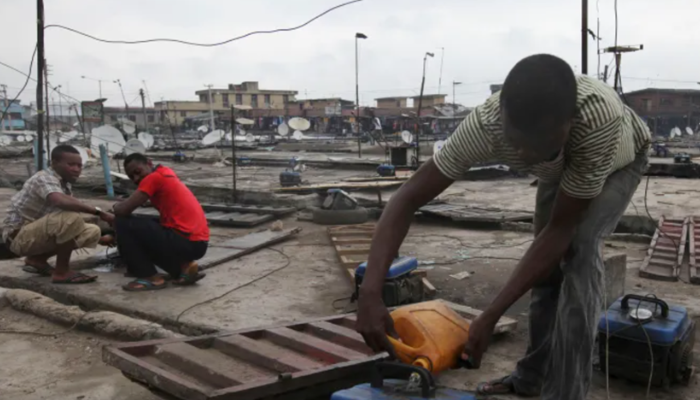
Those who can afford it, use petrol and diesel-powered generators to provide their own electricity instead. About 95m people, or more than half of Nigeria’s population, do not have access to electricity and those that are connected suffer from extensive power outages.
Data from Power Africa, a US government initiative, shows that while Nigeria has 12.5 gigawatts of installed generation capacity, only 3,500-5,000 megawatts is typically available. The annual consumption of electricity per capita is among the lowest in Africa, estimated at less than 150 kilowatt hours.
The country privatised most of its power sector in 2013, but it kept control of the dilapidated monopoly grid operator, the Transmission Company of Nigeria. If the country’s power plants operated at full capacity, the transmission network would not be able to handle the load.
“The inability of the grid to wheel out enough power is a huge problem. There has not been the investment needed by the government to provide support to private companies who have these assets,” said Timi Soleye, director of power projects for Raven Energy.
This has led companies to create their own regional distribution and transmission hubs. Nigeria’s problems with electricity have worsened after a resurgence of militant attacks in the resource-rich Niger Delta over the past year cut off gas supplies and led to a big drop in power generation in 2016. This, alongside mounting government debts and currency troubles, has been a huge obstacle to reducing dependence on oil by expanding other industries such as manufacturing and agriculture.
The deal gives an opportunity to Shoreline to diversify into the gas business after years of fiscal troubles as oil prices fell and renewed militancy hurt production and exports.
Eni of Italy is investing in a gas terminal and pipeline to connect newly developed gas resources off the coast of Ghana to the local market and Total of France is building a floating gas storage facility off Ivory Coast.
Olusola Bello