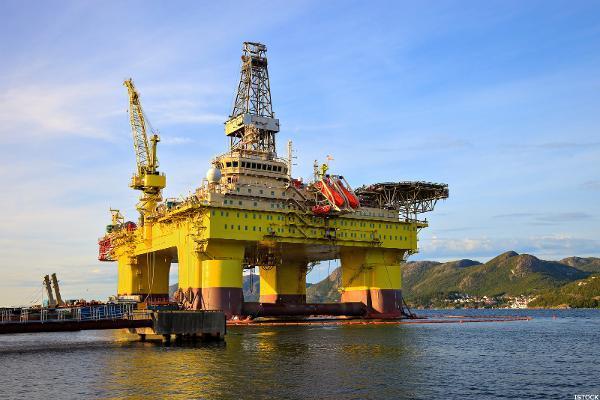
Shale oil producers are hitting their platforms to ramp up production following an OPEC deal on November 30, which cut members production by 1.2 million barrels per day beginning from January 1.
Shale producers in the US have a break-even cost of between $20 and $55, which means the marginal gains oil prices saw in the past five days is inspiring a sprint to their platforms.
Unlike in the past where it took weeks for shale producers to mobilise to their platforms, advanced fracking technology is letting them achieve this in a matter of days and they are poised to take advantage of price rebounds from the OPEC deal.
“The shale producers will be the ones who benefit” from the oil-producer deal and the likely rise in oil prices, Charles Perry, CEO of energy-consulting firm Perry Management told Market Watch.
Perry said, “Shale drillers have good backlogs of undrilled but proven leases, and they can get rigs and other equipment quickly,” he said. “So, even if OPEC cuts production for a limited period of time, the shale drillers can quickly jump in and drill some new wells.”
Ahead of a meeting between OPEC and non-OPEC countries scheduled for December 10, shale producers in the United States who will not be part of the talks are keen to maximise short-terms gains.
“We will have our joint ministerial level meeting with non-OPEC countries this coming Saturday, December 10, at the OPEC Secretariat in Vienna – the first such meeting since 2002,” Barkindo said at the Petrotech conference in New Delhi.
Countries expected to participate in the talks include Azerbaijan, Bahrain, Bolivia, Brunei, Colombia, Russia, Mexico, Turkmenistan, Oman, Trinidad and Tobago, Egypt, the Republic of Congo, Kazakhstan and Uzbekistan.
Nigeria, Libya and Iran had secured exemption from production cuts and expected to boost their output by 1.5 million bpd. OPEC committed to curb a supply glut that wiped off 50 percent of oil prices in 2014.
Oil prices, which rose more than 15 percent over the four sessions since November 30, fell by 2 percent as crude output rose in virtually every major export region despite plans by OPEC and Russia to cut production.
However militancy have been Nigeria’s albatross as it positions to take advantage of crude price recovery. Back channels negotiations employed by the federal government to reach out to the agitators are yet to deliver compromise and a spectre of attacks hangs in the air.
“Militancy and low oil prices have contributed to shrink Nigeria’s oil and gas sector and the entire economy as well, and this has to be resolved if Nigeria must benefit from the OPEC deal,” Chijioke Mama, energy analyst, told BusinessDay.