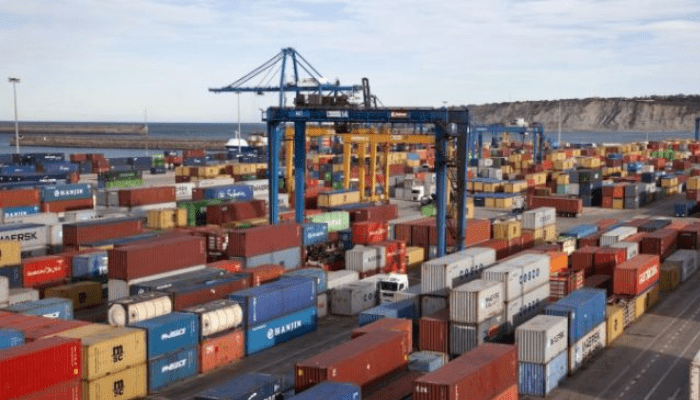
A maritime research organisation has cautioned the Nigerian government about the risks associated with growing Chinese investments in the country’s ports, warning that such deals could have long-term financial and strategic consequences.
The Sea Empowerment and Research Center (SERC), in its latest monthly bulletin, noted some concerns over China’s expanding footprints in Africa’s port infrastructure, citing a recently circulated map of Chinese-backed ports across the continent that identified several Nigerian ports as potential dual-use facilities, meaning they could serve both commercial and military purposes.
Eugene Nweke, head of research at SERC, stated that while Chinese investments offer immediate solutions for infrastructure financing, they often come with significant risks.
He referenced cases where nations faced challenges after relying heavily on Chinese loans, including Djibouti, which has struggled with debt repayment and risks losing control of its strategic port.

Read also: Chagoury Group’s ITB gets $700m Lagos ports renovation contract
Sri Lanka’s Hambantota Port was ceded to China on a 99-year lease after the country defaulted on its loan obligations. In Kenya, difficulties in repaying debts for the Standard Gauge Railway project have fuelled concerns about the possibility of asset seizures. Zambia has also been the subject of speculation over potential Chinese takeovers of state-owned infrastructure due to its rising debt burden.
SERC warned that Nigeria could face similar risks if investments in its port sector are not carefully managed. It pointed out that debt sustainability concerns could leave the country vulnerable, with the possibility of losing control over key assets if loan repayments become unmanageable.
The think tank also raised security concerns, as China’s growing naval presence in Africa has heightened fears over the military implications of these port developments.
To safeguard its economic and strategic interests, SERC urged the Nigerian government to conduct thorough risk assessments before accepting foreign investments, diversify funding sources to reduce dependency on a single financier, and ensure transparency in loan agreements.

It also stressed the importance of building local expertise to lessen reliance on foreign technical support. According to the organisation, Nigeria must demonstrate strong political will and patriotism in its approach to port development, ensuring that infrastructure projects align with long-term national interests rather than short-term financial relief.