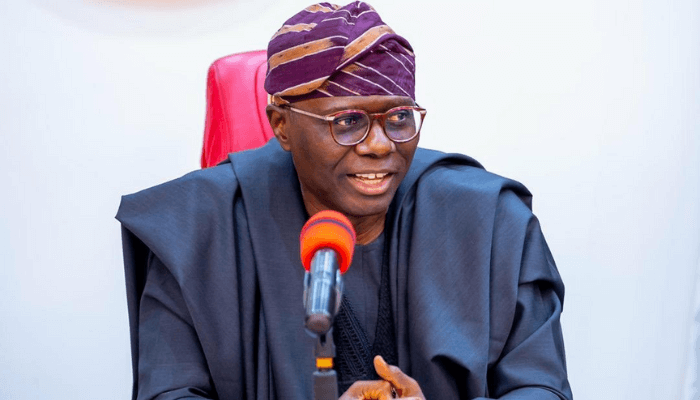
Babajide Sanwo-olu, the Lagos State Governor on Tuesday presented a proposed ₦4.237 trillion budget for the 2026 fiscal year to the State House of Assembly the largest in the state’s history and a plan he says is aimed at driving shared prosperity and strengthening Lagos’ development trajectory.
Read also: Nigeria’s missing budget and price of fiscal drift
Security was heightened within and around the Assembly complex as police officers, personnel of the Nigeria Security and Civil Defence Corps and the Lagos State Neighbourhood Safety Corps mounted checks at major entry points ahead of the presentation.
The governor, who arrived at the chamber at about 1:25 p.m., addressed the 40-member House in a session presided over by Speaker Mudashiru Obasa. Top government officials, local council chairmen, traditional rulers and other invited guests were also in attendance.

Sanwo-Olu said the 2026 spending plan tagged “Budget of Shared Prosperity” was designed to eradicate poverty and ensure that Lagosians benefit from the state’s growing economy. He highlighted four strategic pillars driving the proposal: a human-centred approach, modern infrastructure, a thriving economy and good governance.
Budget records show that Lagos’ annual appropriation has expanded significantly under the current administration, rising from ₦1.1 trillion in 2021 to the proposed ₦4.237 trillion for 2026 an increase of ₦3.074 trillion in five years. The budget grew to ₦1.75 trillion in 2022, ₦1.76 trillion in 2023, ₦2.26 trillion in 2024 and surpassed the ₦3 trillion mark in 2025 with ₦3.366 trillion.
Sanwo-Olu said the new proposal builds on existing developmental foundations while reaffirming his government’s commitment to completing all ongoing projects. “Our mission remains clear: to eradicate poverty and build a Lagos that works for all,” he said.
Read also: Governor Kefas presents ₦650.6bn 2026 budget to Taraba Assembly
If approved, the 2026 budget would mark another significant leap in Lagos’ spending plan, reflecting what the governor described as the state’s continued rise and expansion.