…says corruption undermines national development
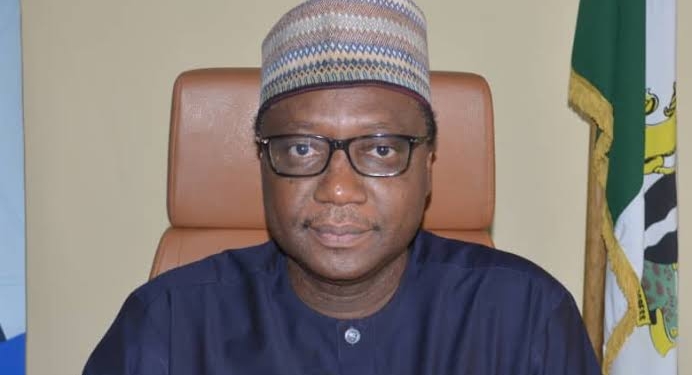
Mohammed Bello Shehu, Chairman, Revenue Mobilisation Allocation and Fiscal Commission (RMAFC) has called for vigilance, integrity, and transparency at all levels of governance, this he said were critical factors in combating corruption in government.
Shehu made this remarks during a one day sensitisation program, organised by the Anti Corruption and Transparency Unit of the Commission in conjunction with the Independent Corrupt Practices and Other Related Offences Commission (ICPC), in Abuja.
Read also: RMAFC pledges equitable benefits for oil-producing communities

Represented at the event by Nwaze Okechukwu, Secretary to the Commission, the Chairman emphasised that RMAFC occupies a strategic position in Nigeria’s fiscal architecture. He said that as the institution constitutionally empowered to monitor accruals to and disbursement of revenue from the Federation Account, the Commission understand the critical role of ethical conduct in safeguarding public resources.
Bello in a statement issued to journalists on Friday, said that “corruption in any form undermines development, distorts fiscal planing, erodes public trust, and ultimately denies citizens the social and economic benefits that government revenues are meant to provide.
“The programme offers an opportunity to strengthen the ethical awareness, understand emerging risks, and recommit ourselves to doing what is right, just, fair and equitable at all times.”
In his remarks, Idris Musa Sariki, Chairman Anti-Corruption and Transparency Unit (ACTU), expressed appreciation to ICPC for their continuous guidance and collaboration with ACTU in strengthening transparency and accountability in MDA’s.
He noted that the establishment of ACTU in RMAFC reflects the commitment of the Commission to uphold its core values of integrity, transparency, accountability, professionalism, and patriotism.

He added that the ACTU unit of the Commission plays a vital role in promoting ethical conduct, monitoring compliance, and building a work environment where corruption has no space to thrive.
Speaking further, the ACTU Chairman explained that the success of the anti-corruption efforts depends not only on policies and systems but on the daily actions and decisions of every staff and management of the commission.
“Today’s programme is timely, essential and provides an opportunity for staff to better understand corruption risks, preventive strategies, and their individual responsibilities as public officers,” he said.