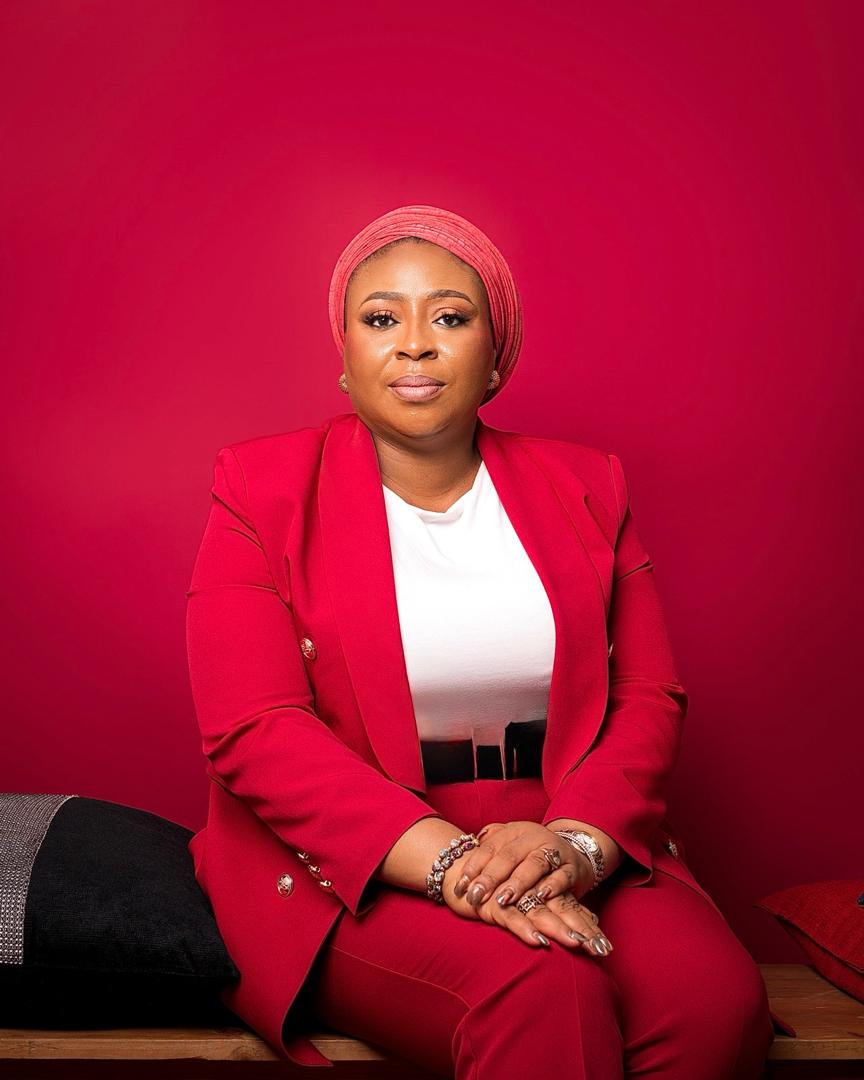
Growing a career as a woman in a work space that marks clear distinctions in the level of importance of one gender over another regardless of the capabilities of the individuals involved is a challenge for many.
More often than not, the sheer thought of hitting the glass ceiling on the rise through the cadre quells the passion to give a hundred percent on the job; which invariably is a yardstick for occupational advancement.
With the male species back-slapping each other and applying the glorious tenets of team work and loyalty as they meet after work hours over drinks or a game of golf – with the total exclusion of living organisms bearing the ‘x’- chromosome as an unspoken rule – it’s no wonder there’s a higher number of men at the helm of affairs of corporate institutions across the globe.
However, while some ladies have accepted tending the less glamorous desks as the status quo, others are committed to strategically maximizing existing structures that ordinarily would have served to their disadvantage and putting them to good use in their favour.


As experts around the world laud government interventions in making the business environment more female-inclusive with the enactment of policies that ensure a 20 to 40 percent participation of women at the executive levels of organizations, it appears as though many in Africa are yet to catch the vision.
According to the Grant Thornton IBR survey of over 12,000 privately-held businesses in 44 African economies, less than 15 percent of the mid-level and senior management positions are handled by women. In comparism with their European counterparts who occupy one in five major senior management roles globally, this is abysmally small.
Speaking at the Society for Petroleum Engineers Nigeria Annual International Conference’s Women Development Workshop, the richest woman in Africa and Chief Executive Officer of Famfa Oil Limited, Mrs. Folorunsho Alakija stated that “It is interesting to note that an industry like the oil and gas still relegates women to the background, they have been discouraged and segregated but the world cannot ignore the potentials they have.”
Highlighting some of the key strengths women possess, she said, “Their ability to multitask better than the men is not arguable. They apply detailed, meticulous and holistic processes to decision making which are attributes that promote accountability and integrity. These are key skill for company growth and invariably reflect on the bottom-line but they must be ready to work twice as hard as their male counterparts if they are going to move [forward].”

A recent study at the University of Leeds, reveals that stock market growth is more likely to occur where there are higher proportions of women on senior management teams.
Another study found that businesses with a greater proportion of women on their boards outperformed rivals in terms of returns on invested capital (66% higher), returns on equity (53% higher) and sales (42% higher).
While pro-feminist movements are being promulgated across the continent, the tension arising from the separation of the private and public lives of women has come under fire. Antagonists on the other side of the divide postulate that with ladies taking off more time from the workplace to tend to family and non-occupational issues, the quest for parity in promotion and compensation is an unbalanced vision.
However, as was achieved at the Warri and Port Harcourt divisions of Shell Nigeria Co., the amount of time taken off work can be checked with the active help of the human resources team. According to Engr. Nnoli Akpedeye, the Technical Planning Manager at Shell Nigeria Energy Production Company, SNEPCo, and President of the Association of Professional Women Engineers of Nigeria (APWEN), the women at Shell formed a tight network and insisted on the establishment of daycare facilities for qualified nursing mothers’ right within the work complex.
Nnoli who also spoke at the SPE conference further emphasized the need for hard work, smart decision making with the primary aim of delivering outstanding results no matter the assignment they are given as women. In fact, she said, “We need to be strong enough to stand alone, smart enough to know when to move and brave enough to take bulls by the horns if need be. Apply your creative juices to your vision, mission and a plan to achieving them. Document that plan and regularly check the alignment of that personal plan with the strategic objectives of your organizations agenda and be confident to take risks.
In addition, she advised women to, “Make a covenant with themselves to resist the temptation to obey the law of inertia and elicit support from family and friends who will help you keep your competing work and non-work priorities in the right balance. Never settle for less than what you deserve, expand your network and be committed to keeping in touch. With all of these we should be able to deliver outstanding, boundary spanning results.”
Other ways through which individual females can help position themselves strategically for career development is by borrowing a leaf from the men who participate in formal and informal training and mentorship programmes.
By Rita Ohai