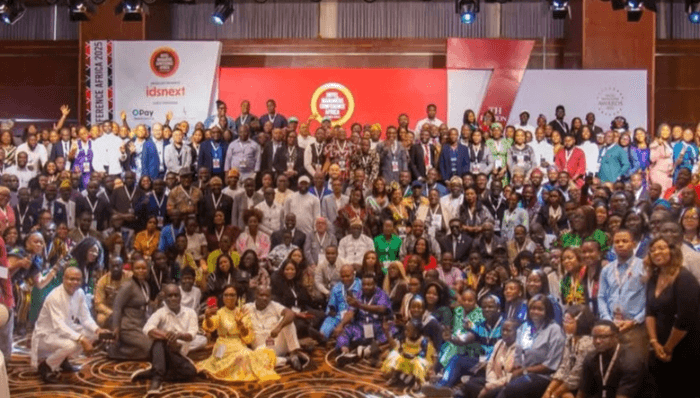
The recent Hotel Managers Conference Africa 2025, held in Lagos, brought together industry experts and stakeholders to discuss the future of hospitality in Africa and how to drive sustainable growth through global best practices. As the hospitality industry in Africa continues to evolve, it is clear that the sector’s future will be shaped by a new wave of thinkers, innovators, and leaders who are reimagining the industry’s potential.
The conference marked a significant milestone in the development of Africa’s hospitality industry, highlighting the need for innovative solutions, strategic partnerships, and investment in human capital. Industry leaders and experts converged to share insights, best practices, and experiences that will shape the future of the sector.
Toke Benson-Awoyinka, Commissioner for Tourism, Arts, and Culture, Lagos State, emphasized the importance of adopting global best practices in the hospitality industry.
“The conference provides a platform for industry players to exchange ideas, explore emerging trends, and build networks that will strengthen the sector’s resilience and competitiveness,” she noted.

The commissioner reaffirmed the state’s commitment to investing in infrastructure, security, and capacity development programmes that will enable the sector to thrive.
“This commitment is crucial in creating an enabling environment for the hospitality industry to grow and develop,” she insisted.
Karl Hala, group general manager, Continental Hotel Group, highlighted the critical role that people will play in shaping the future of Africa’s hospitality industry.
He emphasized that the hospitality story is not new, but the chapter that the industry is about to write together will be different.
According to Hala, “Africa’s future in hospitality will be powered by its own people, retooled, reimagined, and ready to lead”. This emphasizes the need for investment in human capital and the development of skills that are tailored to the needs of the industry.

Hala also stressed the need for innovative training models that are tailored to the needs of the African hospitality industry.
He noted that, “Outdated curriculums and instructors who have never worked in a five-star hotel are not equipped to prepare students for the demands of the industry”.
Read also: Organisers announce speakers for HMC Africa Lagos 2025
Hala advocated for bringing classrooms into hotels, rewarding curiosity over conformity, and investing in VR, AI, and gamification – tools that speak to today’s digital-native youth.
The approach, according to to him, will help to develop skills that are relevant to the industry and prepare students for the demands of the modern hospitality industry.
The conference highlighted the importance of hospitality as a driver of economic growth, employment, and cultural diplomacy.
The conference also focused on empowering young professionals in the hospitality industry. Hala urged young professionals to take charge of their careers, train hard, think globally, and act locally. He encouraged them to lead with audacity and build their own entrances if necessary.
The conference highlighted Africa’s vast potential in the hospitality industry. With its rich cultural heritage, diverse landscapes, and warm hospitality, Africa has the potential to become a major player in the global hospitality industry.
As the industry looks to the future, it is clear that Africa’s hospitality industry will be powered by its people. With a focus on innovative training models, decentralization, and empowerment of young professionals, the industry is poised for growth and success.
Investment in human capital is critical to the development of the hospitality industry in Africa. This includes investment in training programs, capacity development, and skills development.
Technology will play a critical role in shaping the future of Africa’s hospitality industry. From online booking systems to mobile check-in and digital payment systems, technology will enhance the guest experience and improve operational efficiency.
The conference also highlighted the importance of sustainability and environmental responsibility in the hospitality industry. Industry leaders emphasized the need for hotels and resorts to adopt sustainable practices and reduce their environmental footprint.
Africa’s rich cultural heritage and diverse landscapes are a major draw for tourists. The conference highlighted the importance of preserving cultural heritage sites and promoting cultural tourism.
The Hotel Managers Conference Africa Lagos 2025 had an impressive lineup of sponsors who are committed to the growth and development of the hospitality industry in Africa. The sponsors include: IDS Next, the headline sponsor; OPay, Huawei/Augix, 21st Century Evolution, Ikogosi Warm Springs, Eko Hotels, Lagos Continental, Timeless Beach Resorts, Serene Hospitality, Tojum Hospitality, Monty Suites, Elomaz Hotels, Black Diamond, JS Signature, Radisson Blu, Presken Hotels, Glocient Hospitality, Hotel Managers School, and Rosmohr Hotels.
The conference also boasted an impressive lineup of globally rated hospitality experts, each bringing their unique expertise and experiences to the table including: Belinda Nwosu, Faculty of Organisational Behavior & HRM, Lagos Business School; Olajide Abiola, founder/CEO, Gidanka Abuja; and Michael Pinder, general manager, JS Signature Hotel Port Harcourt.
Others are: Karl Hala, group general manager, Continental Hotels, and Ahmed Raza, district director, Radisson Hotel Group Nigeria and Johnny El Ghobri, general manager, Black Diamond Hotel Lagos, among other speakers.