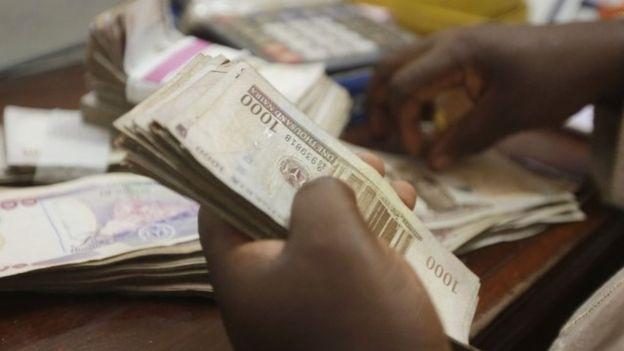
That Nigeria is in recession is no longer news. All over the country, the biting evidences are there for all to see. The general mood of most individuals is that of anxiety. Anxiety over the significant increase in the cost of living which is now at an unprecedented high. The pain of the recession is not peculiar to the lower income earners alone as even the almost inexistent middle and the upper class are not left out especially with the current foreign exchange rate squeezing even harder on their incomes.
Businesses alike are struggling to stay afloat with increased operating costs and bloated overheads. The economic downturn has led to some organisations adopting various survival measures including downsizing by laying off staff, and for those with less financial stamina such as small businesses and startups who are finding it hard to make profit, they have had no choice but to outrightly close down. It is worthy to note that many companies with international affiliations for example, United Airlines, have either shut down their Nigerian operations or simply relocated their operations to what they consider safer and more stable economies such as Ghana. Those that stayed back are characterized either by staff lay-off, slashing of pay packages, suspension of investment in capital projects and scaling down on operations.
According to the National Bureau of Statistics, the economy contracted by 2.06 per cent by the second quarter of this year. With inflation at over 17 per cent, almost every major sector of the economy if not all are affected by the recession. The situation is made worse because Nigeria is an import dependent economy. The narrative across most sectors is rather similar but it appears that the hardest hit are those heavily reliant on importation such as real estate, the manufacturing and ICT sectors. Even the oil and gas sector is not exempt as the IOCs are yet to recover from the significant slump in oil prices, recording a 17.4 per cent decline.
The banks reacted with massive layoffs earlier in the year and were only curbed by the stern warning issued by the government. One of the biggest employers of labour, Dangote Group, also recently laid off some of its staff due. With the current economic situation, businesses are beginning to find creative means to continue to stay afloat or risk winding up. The situation is perhaps more pathetic for companies who are affected by both the impact of the recession as well as foreign exchange issues, A good example is the ICT sector that is heavily dependent on imported equipment for the provision of technology and communications services. Telecommunications operators import over 95% of mobile telephony equipment since these equipment cannot be sourced locally.

The case of the telecommunications operators is made worse by the lack of access to foreign exchange due to the refusal of the Federal Government through the Central Bank of Nigeria to grant the telecommunications industry special intervention to protect them from the assailing foreign exchange rates. Operators within the telecoms industry are therefore expected to source huge amounts of foreign exchange from the black market at ridiculous costs and this will invariably impact the cost of providing services. It is rather unfortunate that government has not been supportive enough of the ICT industry despite the fact that the sector is a major contributor to Nigeria’s GDP with a contribution of 12.62% to total Nominal GDP in the Second Quarter of 2016, as reported by the National Bureau of Statistics.
In a recession, it is not unusual for businesses to respond with critical adaptive measures which may include partial or outright closure of operations, job cuts, reduction of salaries and increase in prices of goods and services. This is evident in the prevalent increase in the prices of goods and services from food items, transportation costs, utilities, etc. Interestingly, one industry that seems not to have towed the path of increase in prices is the telecommunications industry. Prices of telecom services have by and large remained consistent in spite of the harrowing economic condition. Telecom operators are in fact reducing prices as a result of the stiff competition among the operators; however, this trend is not sustainable in the medium to long term.
In fairness, the operators have demonstrated commitment by striving to provide their subscribers with services at affordable costs, albeit to their own detriment. The price slashes are however temporary stints that have the effect of disguising the reality to consumers. All sectors of the economy have been hit by the economic recession and the telecom industry is no exception. These operators would at some point need to review their pricing models to ensure the industry remains viable through the recession. More so, history has shown that price slashing is not only unsustainable but it eventually leads to poor quality of service.
If the industry is to cushion itself from the negative impacts of the current economic downturn, then price increase is inevitable. The telecommunications operators, like all other major industry players, are not immune to recession, but rather are very much affected by it and much so given the peculiarity of their business operations. Be that as it may, it will be imprudent to think any upward review of prices by operators will not be felt by subscribers. Prices are bound to go up in light of the economic realities, however telecommunications service providers must not compromise on quality and value add. The government in itself must ensure that it provides the much-needed support to key industries as their survival through the recession is pivotal to the revival of the economy.

Sankara Ogunbanjo