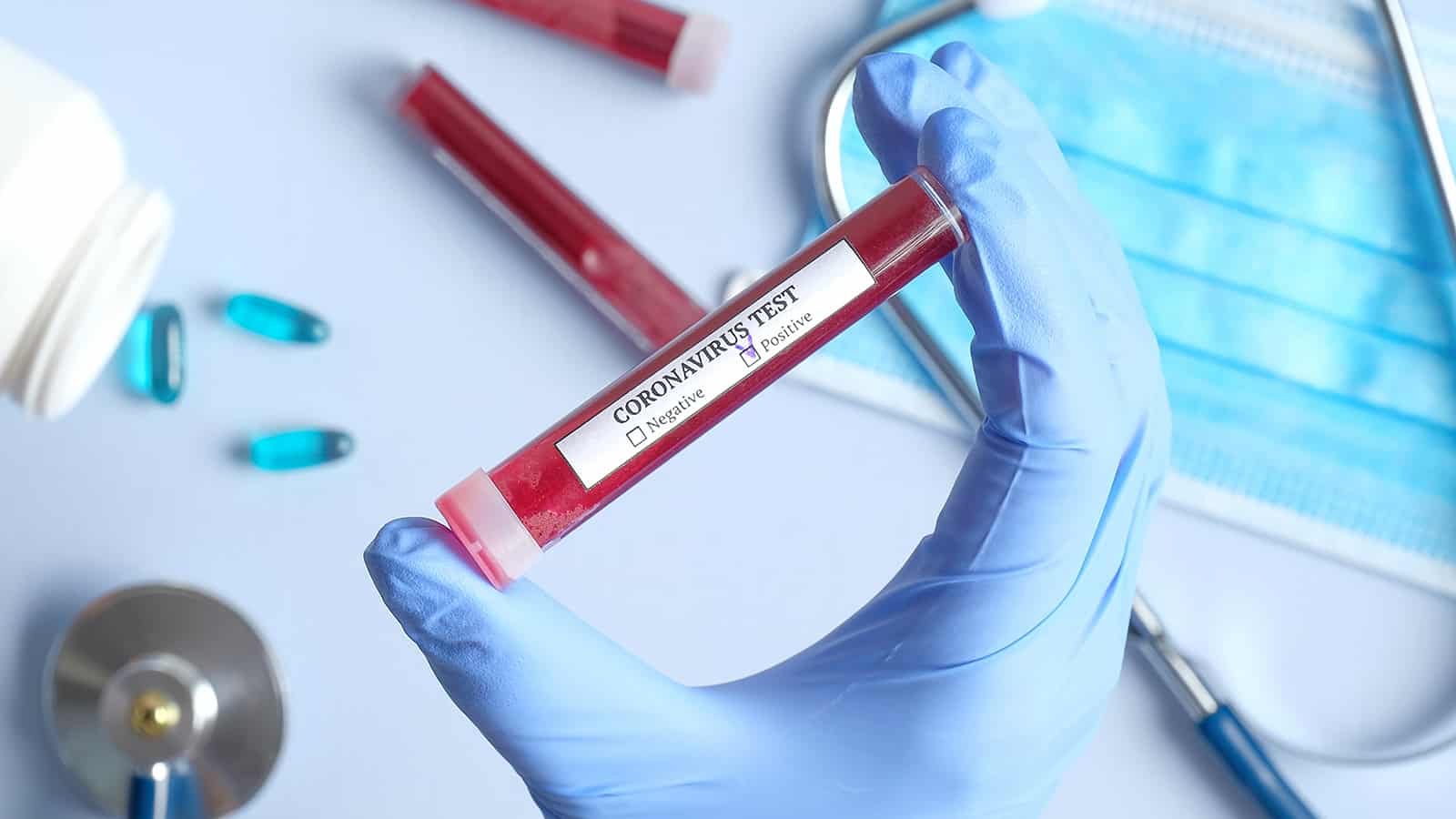
The Nigerian government is racing against time to meet the increasing demand for testing as the coronavirus pandemic spreads to local communities, but private sector players say they are willing and capable to assist in bridging the testing gap arising from the country’s under-funded health sector.
“Many of us in the private sector health space have laboratories with polymerase chain reaction (PCR) equipment and we are willing to invest to conduct more tests because unless we test more, we might not know the real picture of the situation,” one private sector health player said.
Africa’s biggest economy was the first country in sub-Saharan Africa to record a case of the pandemic in late February. Since then, some 288 persons have tested positive for the virus as at 6:00pm on Friday, 51 have been discharged and seven deaths recorded, according to data from the Nigerian Centre for Disease Control (NCDC).
But Nigeria’s low number of infections is not because the government has particularly been effective with preventing the spread of the disease – it’s more likely because the country is simply not testing enough people, sources familiar with the matter told BusinessDay.

“The low numbers reported so far in our country only reflect the fact that our scale of testing is lagging behind,” a health expert who doesn’t want his name in print told BusinessDay.
Nigeria has only seven lab centres where it tests for the virus. The NCDC said it is ramping up by creating more lab centres that would assist the country to increase the number of tested persons to as much as 2,000 daily.
Due to inadequate testing centres, the NCDC restricted the class of persons who can be tested for the virus to only those showing symptoms of fever, cough or difficulty in breathing and who within 14 days before the onset of illness had any history of travel to and more than 24 hours transit through any high-risk country with widespread community transmission of SARS-CoV-2, or who have had close contact with a confirmed case of COVID-19, and/or exposure to a healthcare facility where the virus case(s) have been reported.
Data tracked by BusinessDay show that since the first coronavirus case was reported in late February, Nigeria has succeeded in testing slightly over 2,000 persons. That figure is about 11 times less than the 44,000 tests South Africa, the continent’s second largest economy, has conducted, despite recording its index case a week later than Nigeria.
But private sector health players who spoke with BusinessDay said they are willing to assist in scaling up testing processes and improve on the turnaround time for the results if they are allowed to come in.

“Government needs to open testing to the private sector, and replicate involvement of the private sector in isolation centres. Seven privately-owned diagnostic centres with 35 to 40 centres across the country, drive-through testing being considered,” another private healthcare player with about five diagnostic centre across the country said.
From the outset, the private sector has shown some dogged response in supporting the government in the fight to contain the spread against the virus.
From donating funds into the coffers of the government for purchase of ventilators to building isolation and supportive care centres, private sector players have supported the government and are ready to step in to further ramp testing capacity.
Nigeria has about seven private healthcare companies that have nearly 45 standard and well-equipped laboratories across the country who could help plug the testing gap, BusinessDay learnt. They include Synlab (formerly Pathcare), Union Diagnostic, AfriGlobal Medicare, Me Cure Healthcare Limited, Echo Lab, and Lancet.
The World Health Organisation has recommended scaling up of testing facilities, particularly in African countries, as that is one of the measures to better track and isolate those struck with the virus from the community.
But Africa’s largest economy appears to be short of the financial power to expand testing centres, as the government finances are already stretched to limit due to the fall in crude oil prices and production, the country’s biggest earner of revenue. And except the private sectors are allowed to come in, ramping up test centres might be difficult in line with economic realities.
When BusinessDay rang the toll free line of the NCDC, a representative of the disease control agency said she was unable to confirm whether discussions were ongoing to get private hospitals involved in testing as the agency has been working with only government-owned ones.
“However, if there is a need to bring in private sector players, it would be made public,” the representative said.
ANTHONIA OBOKOH & MICHAEL ANI