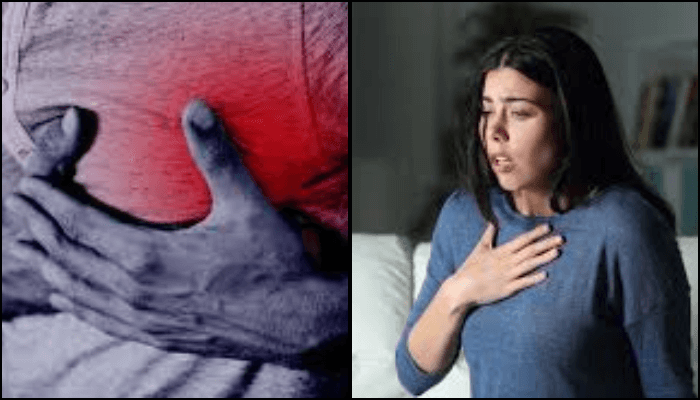
“I still struggle to tell the difference when I’m having a panic attack. I keep wondering, Should I call an ambulance?”- Emily, who experienced her first panic attack while wearing a Fitbit that recorded her heart rate at 142 bpm.
You are not dying, though it truly feels that way. Panic attacks can mimic the terror of being chased by a lion or spotted by a bear. The body reacts as though danger is real, even when it isn’t. As Glennon Doyle puts it: “It feels like you’re not safe. But you are.”
A close friend once described a week filled with overwhelming pain, confusion, and despair. When she finally experienced symptoms that felt like a cardiac arrest, she discovered the truth. She was having a panic attack! Stories like this are countless.
In a country like Nigeria, where misdiagnosis and self-diagnosis are common, the consequences can be severe. Although there are no exact statistics on how many people are misdiagnosed with heart attacks, available research suggests the numbers are high. Many people are placed on lifelong blood pressure or heart medications when what they actually need is therapy and proper mental health support. My thoughts go out to those who have become dependent on medications they prescribed for themselves, suffering the emotional and physical cost of untreated anxiety rather than experiencing improved mental wellness.

Ask people from different walks of life: the market woman, the banker, the mechanic and the undergraduate to describe the symptoms of a heart attack, and many will list: sudden fear, dizziness, chest pain, stomach discomfort, headaches, sweating, trembling, chills, breathlessness, rapid heartbeat, and a sense of impending doom. While these symptoms sound convincing, they are classic signs of a panic attack. When such episodes become recurrent and unexpected, they are referred to as panic disorder.
A panic attack is a sudden surge of intense fear that can leave you gasping for breath. It is a moment when fear truly feels like death. It can occur alongside heart disease or be mistaken for a heart attack, making differentiation critical.
A heart attack, however, is a medical emergency caused by blocked blood flow to the heart. It typically presents with crushing or heavy chest pressure, pain spreading to the arm, jaw, neck, or back, shortness of breath, sweating, nausea, and physical weakness.
Although the symptoms overlap and can be confusing, certain differences can save your life. Panic attack pain is often sharp or stabbing and short-lived, while heart attack pain feels heavy, tight, or crushing more like having a boulder placed on your chest. A symptom that worsens if untreated. Panic attacks may improve with calming techniques; heart attacks do not. If symptoms persist, seek emergency medical care immediately.
Duration is another key factor. Panic attacks usually peak within 10 minutes and subside within 30 minutes. Heart attack symptoms may last longer, ease briefly, and then return with greater intensity if untreated.

With the current financial situation in Nigeria marked by economic stress, job insecurity, safety concerns, health anxiety, and family responsibilities, panic attacks are increasingly common. Simple self-help strategies can help you manage them. Controlled breathing is effective; I like to ask my clients to place a hand on their stomach to help them focus and regulate their breath. Grounding techniques like the 5-4-3-2-1 method such as: naming 5 things you can see, 4 things you feel, 3 things you hear, 2 things you can smell, and 1 thing you can taste has been proven to also calm the nervous system.
Positive self-talk is another powerful tool. Whether it’s counting ceilings, imagining sheep, or repeating reassuring phrases like “This too shall pass,” calming the mind matters. Say it, write it, wear it whatever helps anchor you in safety.
Rest is essential. Even God rested so why shouldn’t you? Incorporate rest, reduce caffeine and nicotine, eat healthily, journal to identify triggers, and talk to someone you trust. One of my favourite techniques is “scheduled worry time.” My grandmother, one of the strongest women I’ve known, would spend ten minutes in the bathroom worrying, crying, and releasing her fears. When she emerged, she would say, “I washed it all away.” That, too, is control.
Heart attacks, on the other hand, are often triggered by sedentary lifestyles, chronic stress, anger, family history, high blood pressure, high cholesterol, diabetes, and unhealthy habits. If you suspect one, get to the hospital immediately. If advised by your doctor and you’re not allergic, aspirin may help. Ensure those around you know CPR.
Prevention is always better than emergency. Monitor your blood pressure regularly, reduce salt and alcohol intake, stay physically active, and practice mindfulness and breathing exercises. Never spiritualize chest pain. Address it before it becomes fatal by consulting health professionals.
Consultant Cardiologist at Lagos University Teaching Hospital, Dr. Adesanya Olusegun-Joseph, notes that “laughter therapy can improve heart and circulation conditions by expanding arteries and increasing oxygen flow.” Surround yourself with people who make you laugh. A sense of humor and emotional balance should be the new glamour.
While organisations like the Nigerian Heart Foundation and the Cardiac Community Advocacy and Support Initiative work to promote heart health, there is still a need for increased education about the risks associated with self-medication and self-diagnosis, fueled by the notion that “Google is your friend” along with a lack of trust in the healthcare system and concerns about rising healthcare costs. Education plays a crucial role. Kudos to all the pharmacies providing complimentary blood pressure screenings.
Additionally, the Lagos State government launched a mental health helpline called the Lagos Lifeline Smart Number: 0700 000 MIND (0700 000 6463) to improve mental health services and anyone can call to learn about their mental health. Nigerians should be informed about the existence of health insurance options and medical centers in their regions that provide affordable or no-cost medical care. While it is important to offer these services, the critical questions remain: how can we make them readily available and accessible to everyone? How can we encourage people to utilize these resources? What methods should be used in disseminating the necessary information with all?
While learning the differences between panic attacks and heart attacks is empowering, never ignore chest pain lasting more than 10 minutes, especially if it spreads to the arm, jaw, neck, or back and is accompanied by breathlessness. Go to the hospital immediately. It is always better to be cautious than to risk a tragic outcome.
. Nneamaka Faith Mokwe-Ijiko is the founder Eliakim Global Intervention Services. eliakimsessions4u@gmail.com