Manufacturers in Ogun state have decried the unconstitutional demands from local government authorities and exorbitant fines from regulatory agencies.
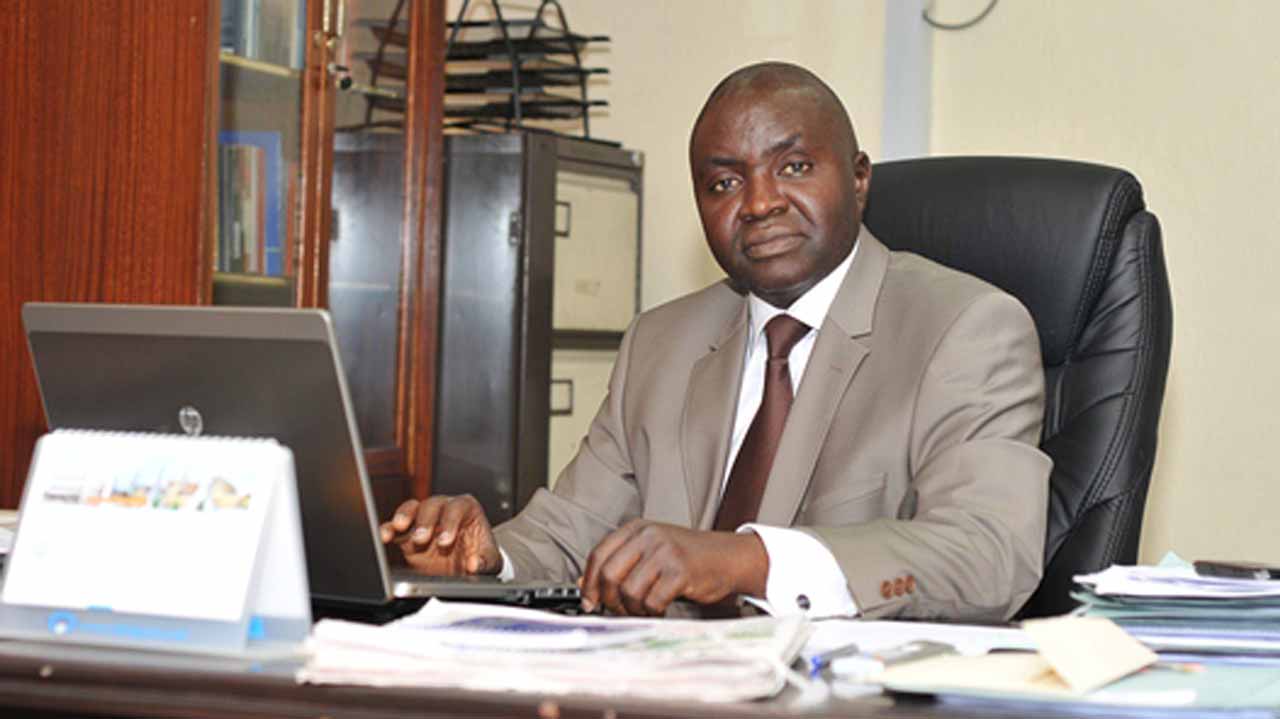
George Onafowokan, chairman of the Ogun State branch of the Manufacturers Association of Nigeria (MAN), said the unconstitutional demands are stifling their businesses and undermining manufacturing contribution to the country’s economic growth.
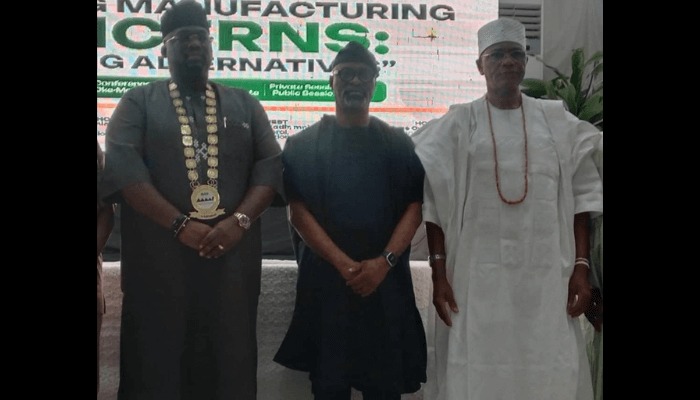
Onafowokan spoke during the Private Session of the 40th Annual General Meeting (AGM) of the Ogun MAN branch on Thursday, where he delivered a sector-focused address highlighting the challenges manufacturers face amid Nigeria’s turbulent economic climate.
“Members in the state were also confronted with issues such as unconstitutional demands from local government authorities, allegations of infractions from regulatory agencies, coupled with huge fines and threats of sealing up, strange summons from the national assembly and the police, among others,” he said.

The chairman also expressed concern over the rising cost of accessing finance from money deposit banks, citing the country’s high MPR rate at 27.5 percent, while urging manufacturers to explore alternative sources of funding.
“To ease this burden, we are exploring other avenues where manufacturers can access affordable funds for operations and expansion,” Onafowokan said, noting that institutions like the Bank of Industry (BOI), LECON Finance Company, and Agusto & Co. were present to provide guidance on such alternatives.
Onafowokan further highlighted the industry’s struggles with foreign exchange volatility, inflation, and regulatory burdens. He recalled that the naira had devalued from N447/$ in December 2022 to N1,605/$ by mid-2024, significantly increasing production costs while consumer purchasing power diminished.
“Despite these challenges, Ogun manufacturers continue to operate and invest in the economy,” he added.
Read also: Uncertainty looms over August 30 council polls in Rivers as APC faction mulls boycott

In response to these challenges, the Federal Government launched the N75 billion Manufacturing Sector Fund and another N75 billion MSME Intervention Fund, both of which are disbursed through the BOI at a 9 percent interest rate and a 1–5-year repayment period.
Adebola Sofela, Ogun State commissioner for Industry, Trade, and Investment, who represented Governor Dapo Abiodun, commended manufacturers for their resilience.
Sofela assured them of the state government’s commitment to improving the business environment through tax harmonisation and infrastructure development.
Francis Meshioye, MAN’s national president, also addressed the gathering, urging both state and federal governments to adopt policies that promote local manufacturing. He emphasised the urgent need to implement the “Nigeria First” policy mandating all government MDAs, contractors, and agencies to patronise made-in-Nigeria products.
“We must support local industries with policy-backed patronage and consequences for non-compliance,” Meshioye stressed. He also appealed to the Central Bank of Nigeria (CBN) to settle the $2.4 billion in unpaid forex forwards owed to manufacturers.
Meshioye called for the revival of quarterly interactive meetings between manufacturers and government agencies, the rehabilitation of inner roads in industrial areas such as Agbara and Ota, and an end to multiple taxations and regulatory overreach, particularly from agencies like the Financial Reporting Council.
Oritsejimi Ogbobine, associate director at Agusto Consulting, during a presentation, urged manufacturers to embrace alternative financing models, including equity markets, bonds, green financing, and support from development finance institutions like AfDB, AfriExim Bank, and BOI.
He emphasised the importance of creditworthiness and advised manufacturers to obtain credit ratings to boost their financial profile and attract funding.
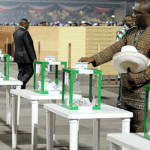
Earlier in the day, elections were held at the morning session of the AGM. George Onafowokan was re-elected as chairman of the Ogun MAN branch for a third consecutive term, along with other members of the executive. Motunrayo Elegberun was also returned as executive secretary, among others.
Their re-election was seen as a vote of confidence in their leadership during one of the most challenging periods for the sector.