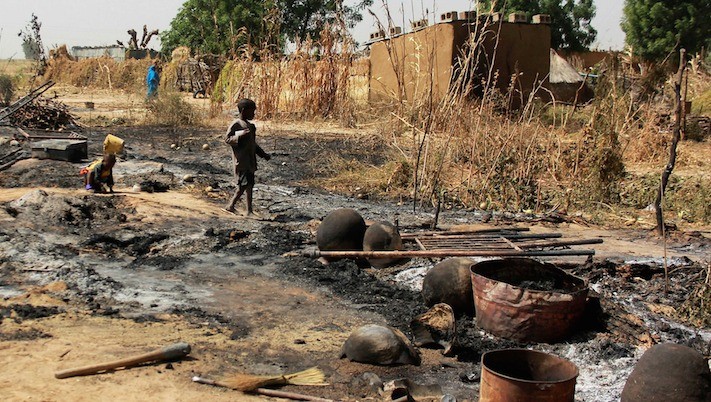
Northern leaders are warning that the region’s worsening insecurity and economic decline could spiral further out of control unless urgent political collaboration is forged ahead of the 2027 general election. At a high-level meeting in Abuja over the weekend, the Northern Elders Forum (NEF) and the National Political Consultative Group (NPCG) said political differences must be set aside to address what they described as a growing crisis threatening millions of lives across the North.
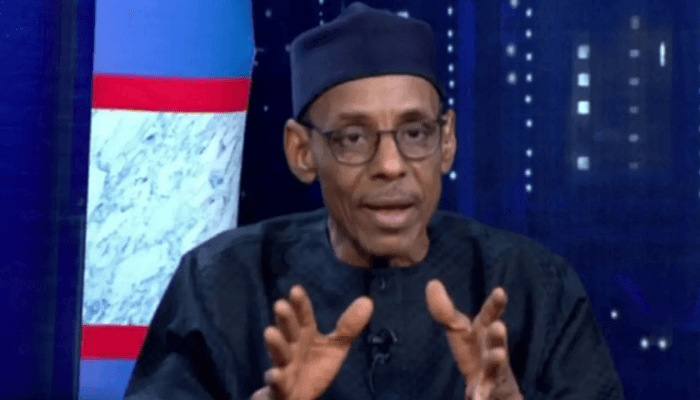
The groups argued that territorial control by bandits, terrorism in the North-East, farmer-herder conflicts, kidnapping, and large-scale youth unemployment have combined to make the region the most vulnerable in the country. Doknan Sheni, Director-General of the NEF, told attendees that the 2027 election season will be meaningless if insecurity continues to prevent children from attending school, farmers from accessing their lands, and citizens from exercising their democratic rights freely.
Sheni said many communities in the North are living under constant fear, and without a coherent regional response, the government’s ability to restore stability will remain limited. He stressed that rebuilding political cooperation among northern leaders is not merely about electoral success but a survival strategy for the region.
The NPCG also expressed concern that the North currently accounts for the highest number of out-of-school children in the world, a situation worsened by poverty and violent attacks that have displaced families. The leaders argued that the future workforce of the region is being crippled, threatening decades of development gains.

Read also: Analysts see inflation easing to 15.84% in October
To reverse these trends, the NEF and NPCG are pushing for a robust security partnership between state governments, traditional rulers, and security agencies. This would be coupled with regional development projects designed to create jobs, attract investment, and absorb restless youth who are increasingly susceptible to recruitment by armed groups.
The leaders noted that political fragmentation has slowed progress, with governors, lawmakers, and interest groups pursuing different agendas without a unified direction. They insisted that northern stakeholders must embrace collaboration rooted in justice, mutual respect, and a shared development vision.
A major proposal from the meeting is the convening of a Northern security and development summit in early 2026. The summit would gather experts and leadership from all 19 northern states to design a coordinated response to the region’s economic and humanitarian emergencies ahead of the election cycle.
Strengthening the credibility of elections in the region was also identified as a security issue. The NEF called for proper training of Independent National Electoral Commission (INEC) personnel to ensure transparent result transmission a step they say will reduce post-election violence often fueled by distrust in the process.

Sheni warned that unless the North acts collectively, “external political forces” could continue to exploit internal divisions for partisan gain, deepening instability. He maintained that unity is the only way the region can safeguard its people and negotiate stronger development commitments at the national level.
The meeting concluded with a call for political leaders to embrace solutions over rivalry, and work urgently to restore peace and opportunity. As Sheni put it, the North must choose between “collaboration for survival or competition that leads to further decline.”