The Arewa Dignity Advancement Initiative (ArDA), a non-governmental and non-political organisation, has stated that Northern Nigeria is facing a perilous combination of economic exploitation, agricultural decline, rising insecurity, social dislocation, and deliberate marginalisation.
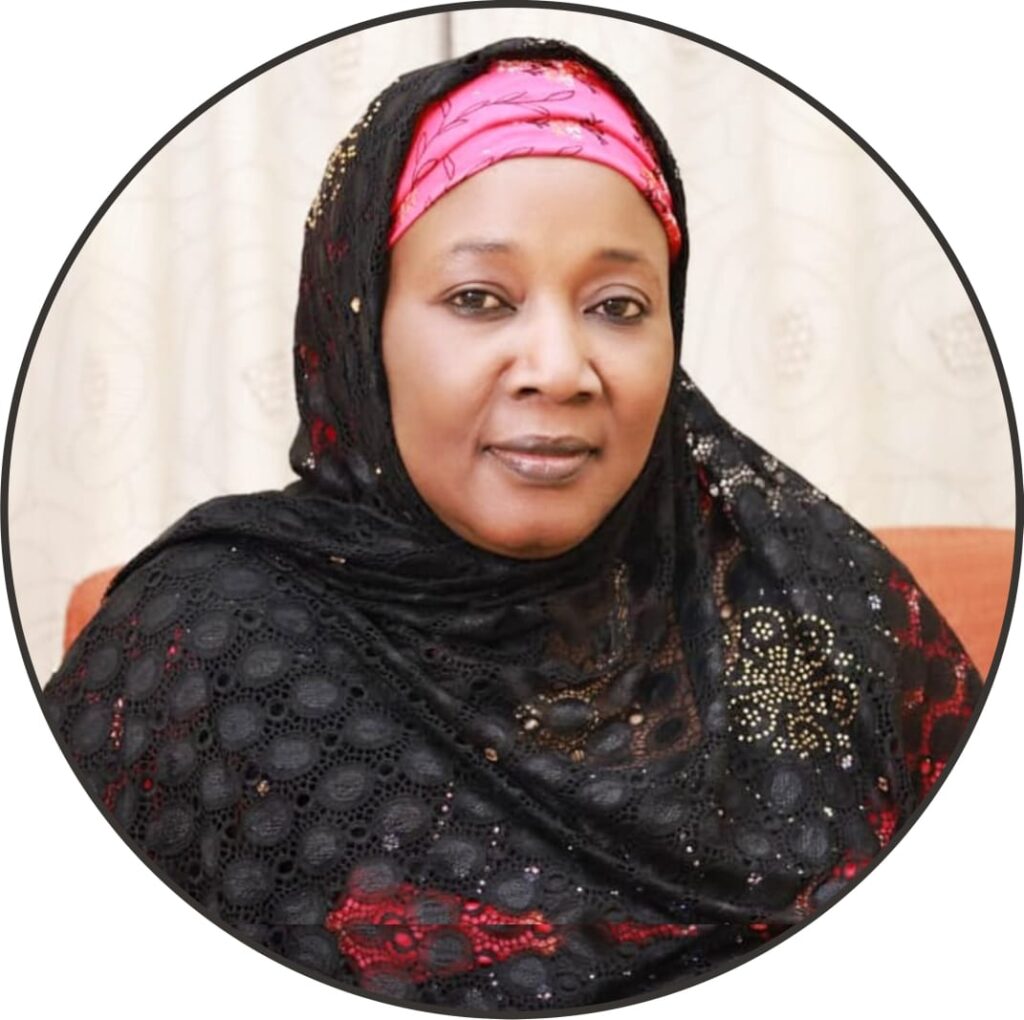
In a statement signed by the Chairperson and the secretary of the group, Baheejah Mahmood and Abubakar Muhammad, which was made available to newsmen in Bauchi. Urged for a quick and innovative solution and urgent action, as it stated that the hard times faced by the average Northern Nigerian citizen were becoming unbearable.
The group listed inflation, unemployment, and rapid deterioration in standards of living, coupled with incidents of insurgency, terrorism and banditry, as some of the evils faced by Nigerians.
Read also: Nigeria edging toward systemic collapse as insecurity worsens Ikiebe

“With grave concern, the body regrets and decries the continuing deterioration or escalation in the spate of insecurity-related incidents in all three geopolitical zones under which the northern states are grouped.
They urged Nigerians to pray for divine intervention. The group warned that Nigeria was gradually drifting into chaos as a result of the fuel subsidy removal.
While blaming the hardship on the continued acquisition of debt, the introduction of taxes and levies by the Federal Government.
“ArDA is deeply concerned that while the Federal Government continues heavy borrowing and invests trillions in projects that largely benefit one region, core sectors sustaining most Nigerians—especially agriculture in the North—are being ignored or weakened.

“At the same time, citizens are taxed aggressively without strategic redistribution, inclusive planning, or cushioning programmes. This has:
Increased hardship distorted markets,
Weakened food production, Deepened inequality, Eroded democratic dividends”
The group urged Nigerians to rally around the Federal Government and State Governments in prayers for divine intervention on the current economic hardship, insecurity and underdevelopment in the region.
“These problems reflect the region’s cascading political, social, and economic challenges. ArDA expressed that the emergent protracted dimension of these problems, if untamed, is are harbinger of citizens’ discontent and social chaos.
“Equally worrisome is the widening regional disparities in social demographic factors, such as access to education, health, public infrastructure, economic inclusion, political participation, living conditions, and many others.
“Governments must move to curb such disparities to ensure that Nigeria does not become two states in one. Added that “Factors that unify rather than divide citizens along any lines should attract the attention of all concerned, government and citizens alike.”
“The addition of new taxes and levies is becoming increasingly burdensome and too heavy to bear for ordinary Nigerians. “The need for a rollout of public policy programmes and projects aimed at addressing low purchasing power challenges is clearly indicated in the statement ”
The statement said “On the national front and specifically applicable to the northern states, ArDA notes that the times continue to be tough and challenging for the average citizen who is daily confronted with runaway inflation, poverty, unemployment, rapid deterioration in standards of living in the face of incidents of insurgency, terrorism and banditry, unable to go to farm etc., problems that have remained dire, acute (or even chronic in some places in the North in particular.
Read also: Southwest governors meet in Ibadan as insecurity worsens
“The immediate causes of the problems have been policies put in place by the government over the past months, including but not confined to the removal of subsidies from the prices of petroleum products.
ArDA said, “It is undeniable, perhaps due to the quantum and widening dimension of the problems, that public policy response to the problems remains weak and ineffective at best.”
The group stands with the 19 Northern States and the FCT and remains committed to: Defending dignity, Promoting unity, Empowering youth and women, supporting farmers, Strengthening traditional institutions