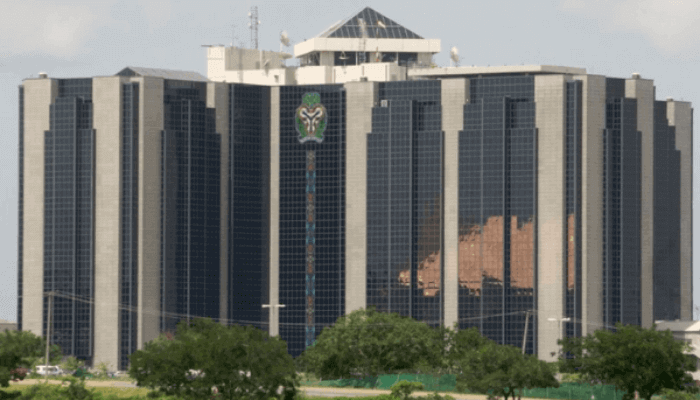
Godwin Emefiele who chairs the Central Bank of Nigeria (CBN), two day Monetary Policy Committee (MPC), meeting starting today (Monday 24), will have a difficult decision to make, regarding a possible interest rate hike and tighter monetary policy, as a slide in oil prices continues to put pressure on the naira.
This is as markets are signaling an increase in the benchmark policy rate or CRR, with yields rising on short dated securities.
Short-dated market yields moved further up last week, with the 364-day T-bill printing at 14.2 percent at the 19 November auction and secondary market yields breaking the 13 percent level for selected tenors.
“In a sense, the market is trying to force the CBN’s hands in pushing up yields to more adequate levels, despite the central bank’s reluctance to initiate this re-pricing. So far the CBN’s OMO yields have been capped at 11.6 percent, and only inched up marginally from 11.3 percent in September, which prevented a shift up in the curve until recently,” said Samir Gadio, Standard Chartered Head of Africa Strategy and FICC Research.

“Even with the recent pick-up in T-bill yields, we are still well below levels that could help slow capital flight and boost the incentive to hold naira denominated assets, especially considering the weak oil price.”
READ ALSO:
Gadio adds that this makes it urgent to tighten monetary conditions.
Emefiele has been reluctant to hike interest rates further, even as the CBN has had to step in to support the currency.
The central bank stepped up interbank dollar sales, on Thursday, selling close to $250 million which however failed to quench demand for dollars, mostly from importers.

The naira has lost 10.5 percent this year and closed at a record low of N176.25 per dollar on Thursday.
A further complication for the CBN is the upcoming OPEC meeting in Vienna on November 27, which might affect whatever the bank chooses to announce on Tuesday.
Oil, which accounts for up to 75 percent of Nigeria’s budget, may have entered a prolonged period of low prices as a fundamental shift in the global oil markets may be occurring on the back of shale production in North America.
Since August, both crude oil and global currency markets have been influenced by lower economic growth expectations in countries outside the United States.
“Prices in both markets recently broke out of established trading ranges, driven by concerns about weaker future global demand. The current situation, with the dollar index and oil prices moving in opposite directions, presents a sharp contrast to one in which crude oil supply disruptions or geopolitical risks would cause both the dollar index and crude prices to rise,” U.S Energy Information Administration (EIA) analysts, James Preciado and Jeff Barron, said in a Nov 20 note.
There is no consensus on the likely move by OPEC in the upcoming meeting, although the posture of Saudi Arabia appears to favour maintenance of current production levels, said Abiodun Keripe, Head of research and strategy at Elixir Investment Partners Limited.
“Given the fact that the naira is under far greater pressure this time around, and general macroeconomic stability is stressed (due to the fall in oil prices), we will be very surprised if the CBN does not hike the benchmark rate. The MPC may choose to play safe given the fact that OPEC meets just two days after the policy meeting.
“If production quotas remain unchanged and crude prices plunge, the CBN may be put in an embarrassing situation of having to call an emergency meeting to tackle the inevitable fallouts of this scenario,” Keripe said in response to questions.
Nigerian assets have continued to look for direction as the naira slide continues.
A further tightening in the CBNs policy rate or hike in reserve requirements for banks could lead to more sell-off in bank stocks and the broader stock market, highlighting the hard choices before the CBN.
Stocks on Friday reversed a downward trend with a gain of 497.42 points to close at 33,926.18 points.
Stocks are down 19.91 percent year to date, just barely clinging above bear market territory.
Meanwhile, bond yields have also extended their recent upward trend, breaking into 13 percent territory last week.
Given the extreme market conditions, Financial Markets Dealers Quotations (FMDQ) extended the bid-ask spread for bonds to N1 from as low as 15 kobo, in order to prevent a market shutdown, which led to increased yield volatility amid low liquidity.
“Most international investors and even local banks have been reducing their exposure to the long end,” Gadio said.
A material cut in production by OPEC this week should spark a rally in all crude oil grades and ease the pressure on Nigerian policy makers, according to Keripe.
“If the status quo is maintained, we can expect another leg down in crude oil prices, which would significantly test monetary and fiscal policy,” Keripe said.
PATRICK ATUANYA