The Nigerian National Petroleum Company Limited (NNPCL), in its 2024 annual financial report, said it remitted N15.982 trillion to the Federal Government in taxes, royalties, and dividends for the fiscal year.
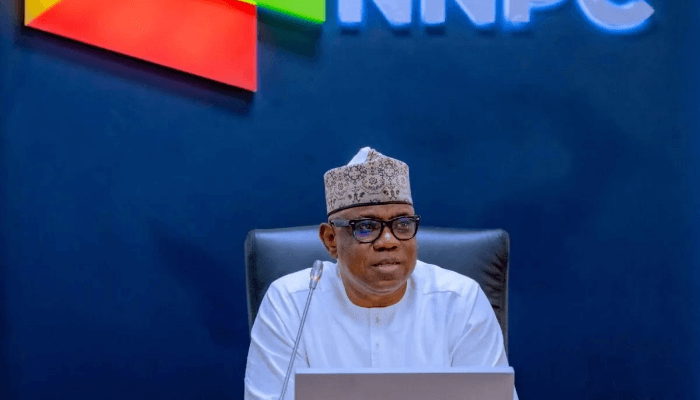
Bashir Ojulari, Group Chief Executive Officer of NNPCL, commenting on the report, described the remittance as an unprecedented contribution to national development. He explained that the company’s 2024 financials and accomplishments stand as a testament to its resilience, collaboration, and shared responsibility to both shareholders and the nation.
The company, in the year under review, posted a N5.4 trillion net income, with a N45.1 trillion total revenue. It’s earning per share in the period was N27.07.
Read also: NNPC posts ₦5.4trn record profit, as Ojulari sets $60bn energy investment plan

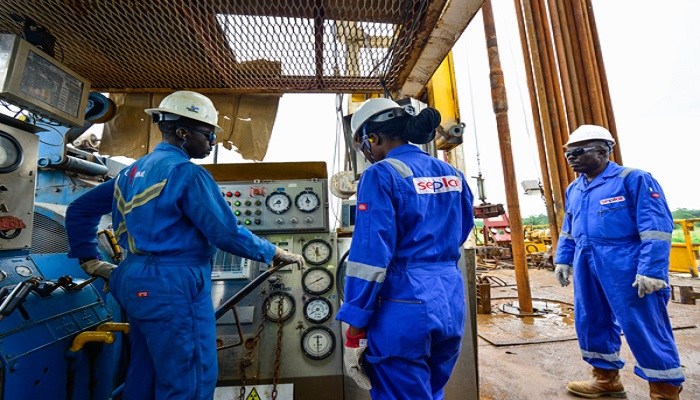
According to the report, the company achieved 202.3 million barrels and 1.045 billion s.c.f in crude oil and gas production. It commissioned 12 refill stations for compressed natural gas.
Ojulari said, “In a year defined by dynamic shifts and global uncertainty, we stood firm in our commitment to excellence and resilience. We ensured uninterrupted supply reliability to the domestic market, adapting swiftly to evolving demand patterns and reaffirming our role as a dependable energy partner and a supplier of last resort to the nation.
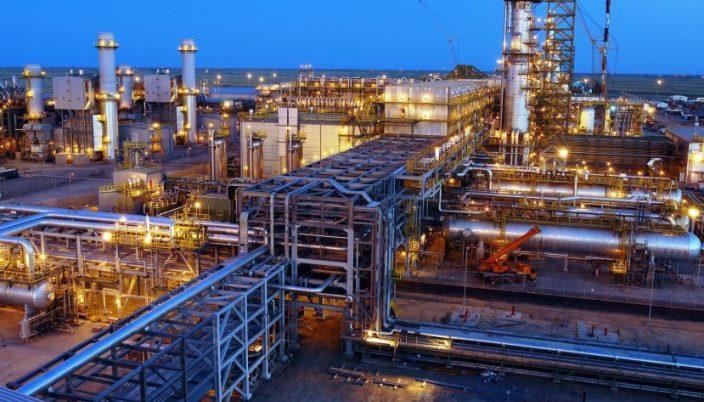
“NNPC Ltd is at the forefront of Nigeria’s gas revolution. In 2024, we commissioned the AHL and ANOH gas processing plants and launched the ANOH-OB3 pipeline. We broke ground on five Mini-LNG plants in Ajaokuta, reinforcing our pledge to democratize energy access.
“Major infrastructure projects OB3 and AKK are at advance stage, while the African Atlantic Gas Pipeline (AAGP) has gained intergovernmental endorsement, positioning Nigeria as a continental energy hub.
“In power, we expanded installed capacity by 2.8%, and our LNG ambitions advanced with steady progress on NLNG Train 7. The Brass Fertilizer GSPA signing and renewed investor interest in Gas-Based Industries affirm Nigeria’s growing appeal as an energy investment destination.”

Ojulari also explained that during the reporting period, the company recorded the restreaming of the Porth Harcourt Refinery Area 5, this he said is an encouraging development in broader efforts toward the full rehabilitation of the national refineries.
He said that in preparation for the anticipated resumption of refining activities, the company undertook critical infrastructure enhancements including: the restoration of key pipeline systems, the addition of 150 million liters of PMS storage capacity, and the facilitation of seamless crude transportation across the designated segment.
“These measures are intended to support operational readiness and contribute to the long-term resilience of our supply chain. Similarly, the creation of NNPC Prime LNG Ltd has successfully expanded our retail footprint and enhanced operational capabilities.
“We also made our commercial entry into the CNG market through the operationalisation of mobility CNG at the NGML/NIPCO mother station project and launched twelve (12) NRL CNG stations in Abuja and Lagos, trained over 1,000 mechanics, and deployed 55 eco-friendly trucks,” he added.
On the shipping side of business, the company generated N210 million in revenue from the commercialisation of its Bill of Lading process, also newly established Vetting Desk vetted 278 vessels in the period.
The Company also unveiled its strategic roadmap to drive sustained growth and support Nigeria’s energy transition through 2030. The plan prioritises increased oil and gas production and outlines a $60 billion investment pipeline across the energy value chain.
It also stated that efforts were ongoing to accelerate investments across upstream operations, gas infrastructure, and clean energy to extend growth into the next decade.
Read also: NNPC to engage private partners to rebuild refineries – Ojulari
Under the strategic roadmap, the company aims to increase its crude oil production to 2 million barrels per day (bpd) by 2027 and 3 million bpd by 2030 and grow natural gas production to 10 bcf/d by 2027 and 12 bcf/d by 2030.
The company also targets completion of major gas infrastructure projects such as Ajaokuta-Kaduna-Kano (AKK), Escravos-Lagos Pipeline System (ELPS) and Obiafu-Obrikom-Oben (OB3) pipelines to strengthen domestic supply and regional integration.
Other targets of the company’s include: mobilisation of $60 billion in investments across the upstream, midstream, and downstream sectors by 2030.