The Federal Government, through the Nigerian Independent System Operator (NISO), has unveiled plans to increase power generation to at least 8,500 megawatts and is calling on private investors to support key reforms in Nigeria’s electricity sector.
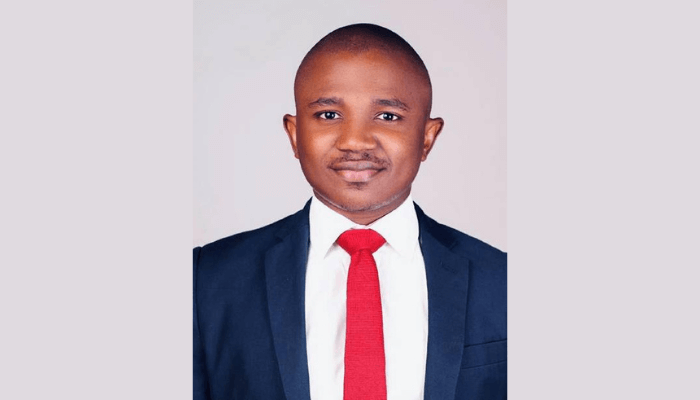
Abdu Mohammed Bello, Managing Director of NISO, disclosed this during the Senior Leadership Retreat held on Wednesday in Abuja. He expressed confidence that with improved sector coordination, strategic investment, and private sector participation, the 8,500MW target is achievable.
According to Bello, the organisation is committed to managing Nigeria’s electricity grid with reliability, transparency, and efficiency, aiming to build a sustainable and competitive power sector that drives economic growth.
“It’s a target that can be achieved if we put our house in order, focus on strategy, attract investment, and align actions. We have the resources in Nigeria. If harnessed properly, we can do better. At the end of the day, we expect real-time grid operations, grid modernisation, and improved resilience in grid stability,” he noted.

NISO, inaugurated in April 2025, was established in line with the provisions of the Electricity Act 2023. In compliance with the Act, the Nigerian Electricity Regulatory Commission (NERC) unbundled the Transmission Company of Nigeria into two entities: the Nigerian Independent System Operator (NISO) and the Transmission Service Provider (TSP), with the aim of improving efficiency and reliability in the sector.
On the state of the Supervisory Control and Data Acquisition (SCADA) system—a critical component for grid management—Bello revealed that a nationwide SCADA upgrade is currently underway and is expected to be completed by the end of next year.
“Government has awarded a new SCADA contract covering the entire nation. Contractors are working tirelessly, especially across the northern parts. We are making daily progress,” he assured.
In his remarks, NISO Board Chairman, Adesegun Akin-Olugbade, emphasised the board’s commitment to operational efficiency, financial prudence, and strong governance.
“We are in a defining moment for Nigeria’s electricity sector. NISO is not just a new institution; it’s a new idea—a neutral market coordinator, a strategic planner, and an independent system operator,” he said.

He stressed that NISO must move beyond “business as usual” by adopting a culture of excellence, discipline, and transparency.
“We are building governance frameworks to support neutrality and investing in our engineers and planners to ensure they are world-class,” he added. “We must ensure the grid is managed with real-time data, not guesswork.”
Also speaking at the event, Ayodeji Gbeleyi, Director-General of the Bureau of Public Enterprises (BPE), highlighted NISO’s crucial role in ensuring impartial grid management following its separation from the Transmission Company of Nigeria (TCN).
Read Also: Electricity subsidies hit 10-year high despite tariff hike
“With NISO now operating independently, we expect significant improvements in reliability and transparency,” Gbeleyi stated.
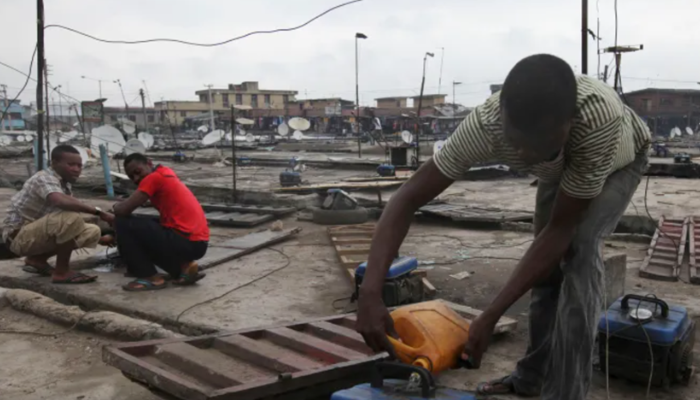
He revealed that Nigeria currently utilises around 5,500MWh of power daily, well below the national generation capacity of over 14,000MWh. Gbeleyi projected a minimum 50% increase in available capacity within the next 12 to 18 months, provided the grid is upgraded and distribution networks are expanded.
He also noted the Federal Government’s $500 million World Bank facility aimed at improving distribution infrastructure, alongside plans to deploy 7 million meters nationwide under the Presidential Metering Initiative and World Bank programmes.
“The credibility of the electricity sector hinges on the performance of the system operator. Expectations are high, and time is short to make a meaningful impact,” Gbeleyi added.
Frank Edozie, Team Lead at the UK-Nigeria Infrastructure Advisory Facility (UKNIAF), also underscored the need for strong leadership and alignment within NISO, stressing its role in stabilising Nigeria’s evolving electricity market.