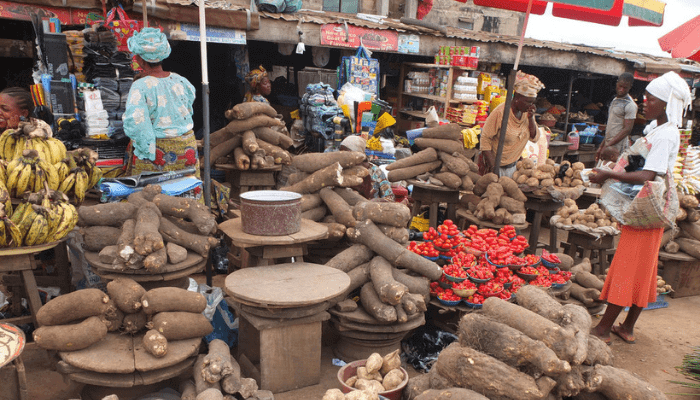
A significant boost has been given to efforts in tackling post-harvest losses, one of the significant challenges facing Nigeria’s agriculture with an estimated 60 percent post-harvest loss across the value chain.
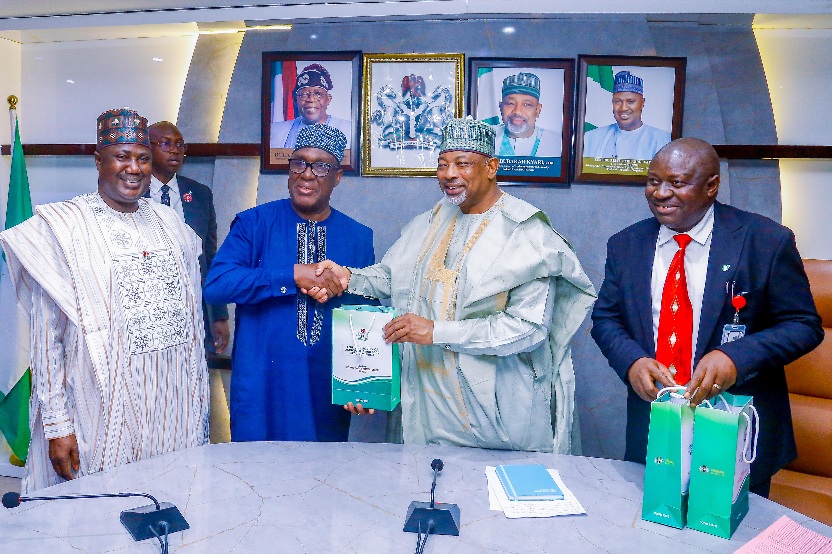
The Nigeria Incentive Based Risk Sharing System for Agricultural Lending (NIRSAL) yesterday signed a memorandum of understanding (MoU) with the Bank of Industry, which will see to the boosting of import substitution, boost job creation, stimulate inclusive growth and realise the key objectives of the Agricultural Promotion Policy (APP) of the Buhari administration.
The collaboration between the two agencies will make it possible to extend BoI’s credit facilities to primary producers generally and smallholder farmers in particular, whether they are in the crop, livestock or fishery subsectors. Equally, agro-input suppliers for fertilizer, seeds, crop protection chemicals, fish and livestock feeds as well as agricultural mechanisation service providers stand to benefit from this collaboration.
This is to be made possible on the strength of NIRSAL’s Credit Guarantees, its Risk Sharing Framework and its Value Chain-Fixing mandate which, combined, will enable the BoI to lend confidently into complete, end to end, agricultural value chains while at the same time protecting its balance sheet. Specifically, the MoU will lead to the identification and financing of impactful agricultural projects within all the segments of the agricultural value chain.

“We are really excited at the potential impact that this partnership with the BoI will have on the agric value chain in the areas of boosting production, reducing post-harvest losses and helping to build a stronger post oil economic base for the country,” Aliyu Abdulhameed, managing director, NIRSAL, said.
Abdulhameed said further: “We have started with the BoI to ensure that we produce and consume locally. Our goal is to help Nigerians take advantage of the $22 billion food import substitution market by producing the food locally.
“And in order to balance our terms of trade with other countries where we spend our scarce foreign exchange for essential imports, NIRSAL will shortly be announcing a collaboration with the NEXIM Bank to unlock sufficient flow of finance to agricultural value chain players for the export markets where NIRSAL will focus on value addition to raw agricultural produce before exporting them to other countries.”
Earlier, Waheed Olagunju, acting managing director of BoI, who listed the benefits of the MoU, said priority would be given to projects with linkages to the SMEs such as rice, cotton, livestock/poultry, tomatoes, as well as others with high potential for foreign exchange generation, such as hides and skin, cotton, rubber, sesame seeds, cashew.
The key outcomes to include identifying a minimum of 15 projects from each of the 43 priority areas for quick implementation and financing a minimum of 50 projects in the first year, he said.

“Suffice to mention that financing is just one of the integral ingredients for the sustainable rejuvenation of the agricultural sector, but it is a fundamental one. I therefore wish to affirm the commitment of the BoI to collaborate with all relevant agencies and stakeholders towards ensuring that Nigeria’s agricultural sector takes its rightful place in the scheme of things,” Olagunju said.
The new partnership is expected to provide funding opportunities, within fixed value chains, for bankable agricultural production projects and for agro-allied industries that have strong capacity to off-take primary agricultural produce. Again, the partnership is important because it will leverage the multi-billion naira balance sheet of the BoI to make loans and credit available, at very low interest rates, to commercially viable agricultural projects that have been packaged, de-risked and linked to structured markets by the NIRSAL.
In addition, projects financed under this framework stand to enjoy faster credit facility processing turn-around time estimated to be up to 50% faster than when accessing it from commercial banks.