Nigeria’s decision to eliminate the petrol subsidy in October 2024 was presented as a defining economic reform, one that would arrest fiscal haemorrhage and create space for productive investment. The policy, though politically contentious, was expected to yield substantial savings, improve fiscal transparency, and channel resources into critical development sectors such as healthcare, education, and infrastructure.
One year on, the reform’s implementation reveals a more complex and concerning reality. According to the World Bank’s latest Nigeria Development Update, 34 states recorded a combined fiscal surplus of N1.6 trillion in 2024, a fourfold increase from the previous year. Oil-producing states such as Akwa Ibom, Delta, and Ondo were the major beneficiaries, bolstered by increased derivation revenue, improved crude earnings, and stronger internally generated revenue. Grants and aid to states also nearly tripled. These numbers would suggest an encouraging fiscal turnaround.
“Soaring inflation, driven in part by the subsidy removal and exchange rate liberalisation, has eroded purchasing power across the board.”
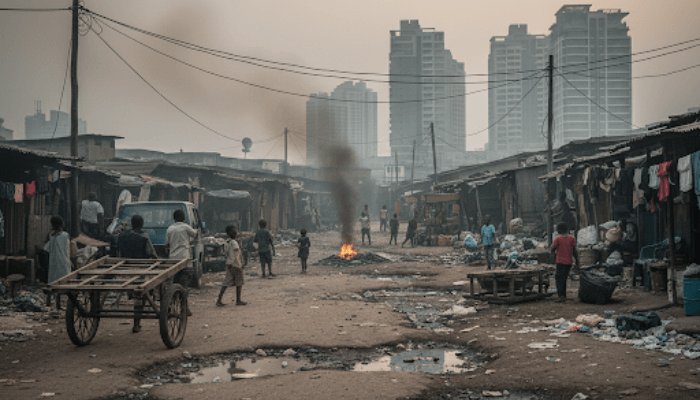
Yet for many Nigerians, the economic terrain has only grown more hostile. A bag of rice now sells for over N85,000; transport costs have doubled; and electricity tariffs, where power is even available, have risen sharply. Businesses are reporting dwindling consumer demand, while food insecurity and school absenteeism are on the rise. The economic squeeze is being acutely felt by households already operating on the margins.

Read also: Eight months after, subsidy gains favour governors over citizens
The paradox is troubling. Nigeria’s states are experiencing a significant fiscal dividend, yet there is little to show for it in the lives of ordinary citizens. The gap between public sector balance sheets and street-level economic reality risks widening further unless urgent steps are taken to align fiscal gains with human development priorities.
One source of the disconnect lies with the federal government’s failure to fully capture the projected revenue from the subsidy removal. While the Nigerian National Petroleum Company (NNPC) formally ended implicit subsidies by adopting market-based exchange rates in October 2024, only about half of the resulting fiscal gains have been remitted to the federation account. According to the World Bank, this shortfall is attributed to unresolved arrears and opaque reconciliation processes between the NNPC and federal authorities. As a result, the expected financial cushion to mitigate reform shocks, including cash transfers or subsidies for public transport, has not materialised.
However, the more pressing challenge now rests with state governments. With access to significantly expanded revenue, governors have a renewed opportunity and responsibility to deliver meaningful improvements in public services. Yet there is scant evidence that state spending is yielding visible or measurable outcomes. While capital expenditure (CAPEX) more than doubled from N3.3 trillion in 2023 to N7.4 trillion in 2024, anecdotal reports suggest that the allocation of these funds remains skewed towards high-visibility projects with limited developmental impact. In many localities, basic infrastructure such as roads, schools, and clinics remains neglected.
In this context, the World Bank’s call for a fiscal compact between the federal and state governments is both timely and necessary. The proposed compact would enshrine minimum thresholds for investment in primary healthcare, education, and other human capital sectors, benchmarked against a percentage of total budgets. It would also incentivise performance through matching grants and conditional transfers. Equally important, it would introduce a framework for monitoring and accountability, requiring states to publish regular budget performance reports and undergo independent audits.

Read also: Petrol subsidy removal – What more can be done?
Beyond the compact, structural reforms to the Federal Accounts Allocation Committee (FAAC) process are long overdue. The current system allows for substantial off-budget deductions and lacks transparency. By capping non-statutory deductions and mandating the publication of FAAC documentation, the federal government can begin to restore public confidence in how shared revenues are distributed and utilised.
Nigeria’s development challenges are well-known: a growing population, underfunded public services, and a skills gap that constrains private sector growth. Addressing these challenges requires more than fiscal surpluses; it requires a shift in governance culture from one that prioritises patronage and symbolic projects to one that focuses on service delivery, human capital, and long-term economic competitiveness.
Subsidy reform was a painful but necessary step. However, it cannot be deemed successful if it results merely in improved fiscal metrics for state governments while the quality of life for the majority deteriorates. The social contract between citizens and the state is fraying, and nothing accelerates this erosion more than the perception that government gains come at the public’s expense.
Nigeria’s political leaders must recognise that macroeconomic stability and inclusive development are not mutually exclusive goals. The time to reorient public spending toward citizens’ needs is now. The credibility of the entire reform agenda depends on it.