The release of the Central Bank of Nigeria’s 2024 financial statement reveals more than a set of troubling numbers; it marks a moment of reckoning for a country whose fiscal and monetary frameworks have operated on borrowed time and borrowed money.
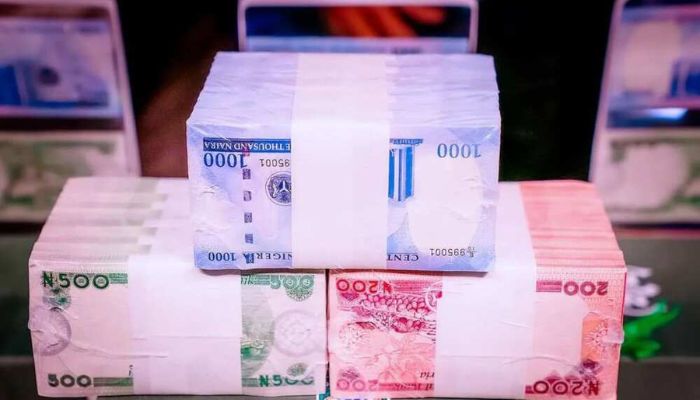
At the centre of this is the unprecedented ₦9.4 trillion foreign exchange revaluation loss. It is a figure that wipes out the apex bank’s operating gains and serves as a painful reminder of the cost of past currency mismanagement. With the naira sliding from under ₦800 to over ₦1,600 to the dollar in under a year following the June 2023 unification of Nigeria’s multiple exchange rates, the cost of settling foreign-denominated liabilities has ballooned. This is not merely a technical loss on paper; it is a reflection of the pressure on Nigeria’s economic model, one that remains highly vulnerable to external shocks and domestic policy reversals.
Read also: Africa’s monetary tug-of-war: Central banks balance inflation, currency woes
This is the second loss in three years for the central bank, an unusual frequency for an institution charged with monetary stability. That the bank also incurred ₦3 trillion in liquidity management costs in 2024, an increase of 200 percent from the previous year, points to the structural consequences of aggressive monetary tightening. While these operations are necessary to absorb excess liquidity and restrain inflation, their fiscal cost raises questions about policy coordination between monetary and fiscal authorities.

The reduction in the controversial ‘Ways and Means’ advances, from ₦7.94 trillion in 2023 to ₦3.27 trillion in 2024, is a welcome development. These emergency loans from the central bank to the federal government, which rose to ₦22.7 trillion by the end of 2022, long breached the statutory cap of 5 percent of previous year’s revenue under the CBN Act. Their continued use distorted Nigeria’s monetary base, drove inflationary pressures, and weakened the credibility of the central bank’s independence. The current governor, Olayemi Cardoso, has committed to ending such lending until outstanding balances are repaid. It is a necessary first step but one that cannot be seen as sufficient.
“This is not merely a technical loss on paper; it is a reflection of the pressure on Nigeria’s economic model, one that remains highly vulnerable to external shocks and domestic policy reversals.”
The decision in 2023 to securitise the central bank overdrafts, transforming short-term borrowing into long-term debt, may have offered short-term fiscal breathing room, but it merely shifted the burden. It added to Nigeria’s public debt profile while doing little to address underlying fiscal weaknesses, including underperformance in oil revenues and structural overdependence on imports.
Nigeria’s broad money supply (M3) rose by over 51 percent in early 2024, and inflation remains in double digits. Though the central bank has raised the benchmark interest rate to 27.5 percent, up by a cumulative 875 basis points, it remains unclear whether this policy stance is sustainable without more decisive action from the fiscal side, particularly in addressing fuel subsidy leakages, exchange rate volatility, and revenue collection inefficiencies.
The scale of derivative contract losses, ₦13.9 trillion in 2024, more than double the previous year’s figure, adds another layer of concern. These obligations, mostly inherited by the current management, reflect the hidden costs of opaque and off-balance-sheet interventions under previous administrations. Restoring credibility will require more than transparency; it demands a clear break from quasi-fiscal activities that fall outside the bank’s core mandate.

To its credit, the CBN has taken steps towards a more orthodox monetary framework. The push to refocus on price stability, ensure timely financial reporting, and enhance asset quality are all in the right direction. Yet the institution’s weakened earnings power, mounting liabilities, and deteriorating capital buffers limit its room for policy manoeuvre.
Read also: CBN governor Cardoso declares bold monetary reform in talk with Robinson
Nigeria stands at a critical point, needing firm action on the changes already started, going beyond just talking about new rules. To truly escape the old ways of loose money policies and careless spending, the government must focus on seriously improving how it collects money from things other than oil and finding new ways to earn.
At the same time, it is vital to carefully manage how public money is spent, cutting out waste and directing funds to important things like roads, schools, and healthcare. Also, a clear and responsible plan for managing what the country owes is key to bringing back trust from investors and ensuring a stable future.
People both inside and outside Nigeria will be watching closely, not just at the numbers, but more importantly, to see if the government consistently sticks to sensible economic practices and shows a real commitment to running things well for the long term.