Sixty-five years ago, Nigeria embraced independence — trading the British Union Jack for the green-white-green flag in a moment laden with promise. We possessed the “hood” of sovereignty: institutions, elections, ministries, and grand vision statements from Vision 2010 to Agenda 2050. But where is the monk, if indeed “the hood makes the monk”?
The monk — the disciplined, enlightened nation we should have become — remains elusive. While we built the temple of nationhood, the soul is missing. At 65, Nigeria crawls like an infant when it should stride with the confidence of a senior citizen.
From independence, we constructed impressive frameworks of governance. We held elections, established the National Assembly, created development plans, and signed international agreements. Each administration promised transformation through elaborate blueprints — the National Development Plan of the 1970s, Vision 2010’s technology dreams, Vision 2020’s middle-income aspirations, and now Agenda 2050’s grand ambitions.
These documents gathered dust while fundamental challenges persisted. The ceremonial aspects of nationhood flourished while the substantive character needed to animate these structures remained underdeveloped. We mastered the performance of statehood without cultivating its essence.
Now we are told that our GDP grew 4.23% in the second quarter of 2025, the fastest growth in four years; that our external reserves hover around $40 billion, covering nine months of imports; that inflation has declined from its peak to around 20%, suggesting some macroeconomic stabilisation. But behind these figures lies persistent dysfunction.
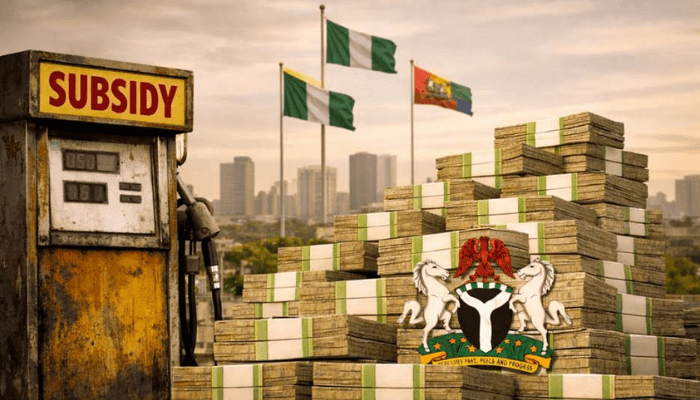
We battle power shortages in a sun-blessed land, endure fuel queues in an oil-producing nation, and watch unemployment ravage our talented youth. Public debt surged 34.9% to N134.3 trillion by Q2 2024, while corruption continues to drain resources meant for development. Ethnic tensions simmer in a republic that proclaimed unity, threatening the very foundation of our shared existence.
The missed milestones
At 20, we should have consolidated democracy and built strong institutions. Instead, military coups became our defining political experience. At 30, we should have diversified our economy beyond oil dependence. Instead, we became more addicted to petroleum revenues. At 40, we should have developed world-class infrastructure and education systems. Instead, we watched our universities decline and our roads deteriorate.
At 50, we should have emerged as Africa’s undisputed leader and a respected global voice. Instead, we remained preoccupied with internal contradictions. At 60, we should have achieved middle-income status and eliminated extreme poverty. Instead, we became the poverty capital of the world, overtaking India despite having a fraction of their population.
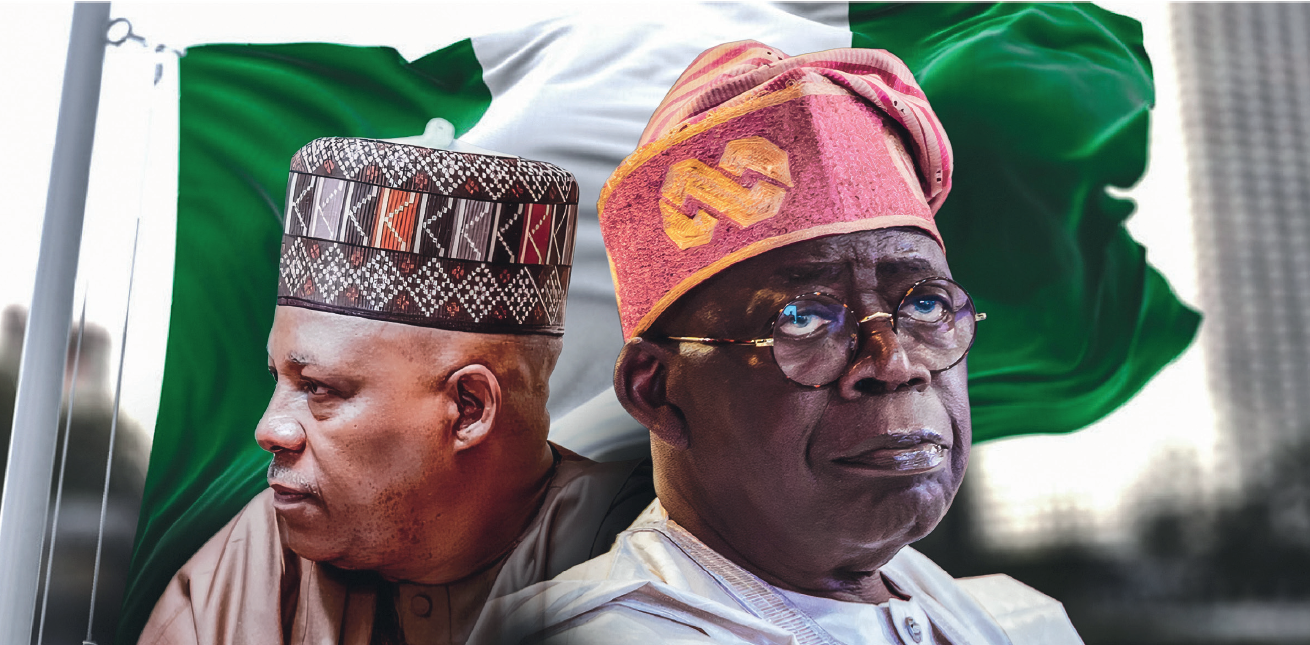
Now at 65, the President is calling for “All Hands on Deck for a Greater Nation,” because we confront the same fundamental questions that have haunted us for decades. Perhaps the most profound failure of Nigeria’s 65-year journey lies not in poor infrastructure or economic mismanagement, but in our acceptance of a borrowed blueprint for nationhood. We have spent six decades trying to fit ourselves into Western democratic templates designed for societies with entirely different histories, values, and social structures. The result is a nation that resembles a colonial corporation masquerading as a modern state.
Our leaders, lacking both historical consciousness and authentic vision, have mechanically copied governance models from Western nations without considering whether these systems align with African realities. We adopted Westminster parliamentary democracy, then American-style federalism, then various hybrid models – each time hoping that institutional engineering would solve problems that run much deeper than structure.8
This explains the epidemic of borrowed slogans and imported policies. From structural adjustment programmes to poverty reduction strategies, Nigerian leaders recycle ideas designed elsewhere without contextualising them for local conditions. The result is chronic policy failure and persistent governmental ineffectiveness.
Reimagining nationhood: Beyond Western templates
True transformation requires abandoning the assumption that Nigeria must become a carbon copy of Western democracies. Instead of forcing ourselves into borrowed moulds, we must ask fundamental questions: What does authentic Nigerian governance look like? How do we build political systems that honour our Nigerian values while ensuring individual rights? How do we create unity among diversity without suppressing difference?
The path forward requires intellectual decolonisation — liberating ourselves from the mental slavery that makes us perpetual imitators rather than innovators. We must study successful African societies — from ancient kingdoms to modern nations — to understand governance models that worked within African contexts. This does not mean romantic return to precolonial systems, but rather creative synthesis of traditional wisdom and contemporary needs.
Nigeria needs a new social contract based on voluntary association rather than colonial imposition. This means honest conversations about whether we want to remain together and, if so, on what terms. The current arrangement — forced unity maintained through constitutional manipulation and military intimidation — creates resentment rather than loyalty.
Real nation-building begins with citizens choosing to belong, not being forced to coexist. This requires renegotiating the terms of Nigerian citizenship, ensuring that every group has genuine reasons to invest in the collective project rather than merely enduring it.
The monk we seek cannot emerge from wearing borrowed robes. It must be cultivated through authentic engagement with our own history, values, and aspirations — creating something uniquely Nigerian rather than a poor imitation of someone else’s success.