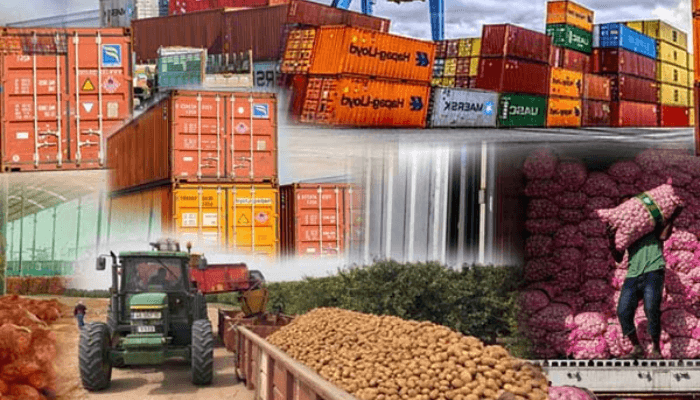
Jars of organic honey stacked for shipment to Gabon tell the story of 28-year-old Tomiwa Adebayo from Oyo State. Not long ago, his parents sold raw honey in local markets, but today his brand, Ona Foods, carries a modern polish, complete with barcodes, QR codes, and a brand story that travels as far as its exports. Tomiwa embodies a new generation of Nigerian agripreneurs who blend tradition, technology, and global ambition.
Nigeria’s export story has been dominated by crude oil for the last few decades. Its fortunes rise and fall with global oil prices. Across fertile farmlands of Kano and Benue, cocoa, sesame seed, and cashew are finding new markets abroad; factories across the nation are filled with renewed purpose as made-in-Nigeria goods begin to cross borders.
From Kaduna’s ginger clusters to Nasarawa’s sesame farms, young innovators are transforming primary produce into premium export brands. They are combining creativity with commerce, building websites, leveraging the benefits of the AfCFTA, and negotiating directly with international buyers.
Data tells the same story: Nigeria’s agricultural exports exceeded ₦1.2 trillion in Q2, 2025, according to NBS, representing a 29.03% year-on-year increase, driven mainly by small businesses reimagining what African produce can be. But this transformation extends beyond trade; it’s about pride, identity, and ownership. The question now is straightforward: can these young agripreneurs turn Nigeria’s farmlands into global brands and make “Made in Nigeria” a mark of quality sought after worldwide?

The new Agripreneurs: From local roots to global reach
A new generation of Nigerian agripreneurs is rewriting the nation’s agricultural story: transforming fields into factories and farms into global brands. In the first half of 2025, Nigeria’s agricultural exports reached ₦3.14 trillion, a threefold year-on-year surge, reflecting a silent revolution driven by youth-led innovation, training, and trade facilitation.
Behind these numbers are visionaries who see agriculture as a business ecosystem powered by digital tools, e-commerce, and AfCFTA corridors. Entrepreneurs like Stephen Adeyemo, founder of the Nigerian Export Academy, are empowering thousands of young exporters with practical knowledge, mentorship, and access to finance. Through platforms like PEDA (Produce Export Development Alliance), emerging businesses are learning to manage quality control, documentation, and global standards, turning challenges into competitive advantages.
From cashew nuts (₦352.67 billion in Q2 2025) to cocoa, sesame, and hibiscus, youth-led brands are building international reputations for quality and authenticity. Startups in honey, shea butter, and hibiscus tea now use blockchain for traceability, fintech tools for cross-border payments, and Instagram storytelling to reach buyers in the UK, UAE, and Asia.
Small exporters are leveraging digital trade platforms and logistics partnerships to shorten the export chain, turning micro-brands into continental suppliers. AfCFTA’s streamlined trade routes now enable shipments to Ghana, Kenya, and South Africa with minimal friction.
Still, scaling remains a test. Export certification, infrastructure gaps, and foreign exchange constraints persist. Yet, with each success, from a cocoa brand in Ondo to a hibiscus startup in Kano, Nigeria’s youth are proving that the future of global trade is not just grown but branded in Africa.

Global appetites for Nigerian produce
Nigeria sits at the edge of a rising global appetite for high-quality, sustainably produced food, as its fields and farms are answering that call.
Nigerian cuisine has become both a cultural bridge and a thriving market, fuelling demand for authentic Nigerian foods in cities like London, Houston, and Toronto. Produce such as cashews, cocoa beans, and sesame seeds carries not just flavour and nutrition, but also compelling stories of place and tradition that resonate with health-conscious consumers in Europe, the Americas, and Asia. Once humble staples of local trade, these crops are now celebrated as superfoods, prized for their nutritional and medicinal value, as well as their proximity to major markets.
At the same time, the world’s wellness movement is aligning with Africa’s natural produce. Global consumers are embracing superfoods like moringa, hibiscus, fonio, ginger, shea butter, and baobab, among others, not merely as exotic imports, but as essential ingredients in healthier living, which are now prized globally for their detoxifying and anti-inflammatory properties. As wellness-conscious consumers seek natural alternatives, these crops are gaining new life in teas, supplements, and skincare products worldwide.
Yet, despite this huge appetite, exports of Nigerian foods remain small-scale; only a few exporters try to satisfy the cravings of a global community eager for the taste of home. This gap shows not just nostalgia but also signals untapped economic potential waiting to be unlocked through structured export strategies, better packaging, and stronger distribution networks. With coordinated export policies and improved logistics, Nigerian entrepreneurs could turn diaspora demand into a “billion-dollar industry.”
Branding green gold
Nigeria’s path to agricultural export competitiveness relies on more than just production; it depends on strategy, structure, and synergy when exporters combine extensive market reach with appealing packaging. Each label, colour, and texture becomes a piece of home, evoking pride and connection for those abroad and curiosity for those discovering it for the first time.
Nigerian agripreneurs should start redefining how the world sees local produce, not as raw goods, but as global brands with stories. Young founders behind honey, hibiscus, and shea ventures should use blockchain traceability, eco-packaging, and vibrant storytelling to earn trust from Tokyo to Toronto. Certification badges like Nigeria Export Promotion Council (NEPC)’s “Export Ready” and fintech-enabled logistics partnerships make exports seamless.
Yet, the story is incomplete without financial muscle; banks and the government must provide affordable credit, incentives, and export-backed funding. Platforms such as TradeLenda and DHL Africa eShop are directly connecting farmers with global buyers. From digital campaigns that spotlight farmers’ journeys to recyclable packaging that tells a sustainability story, Nigeria’s new agripreneurs should prove that great branding can turn the ‘green gold’ into a global treasure.
Seeding the future through polices and finance
We argue that to seed Nigeria’s next growth wave, policymakers must move from rhetoric to real reform: with export financing, quality labs, and youth-targeted trade incentives. Institutions like the Bank of Industry and NEXIMBank can expand accessible credit for agro-exporters, while the special economic zones in Ogun, Kaduna, and Cross River can serve as quality and logistics hubs. The AfCFTA also opens seamless trade routes across Africa, and diaspora demand for authentic Nigerian products, from hibiscus tea in London to shea butter in Atlanta, offers ready-made markets.
Practical steps for increased incentives include establishing “Export Accelerator Hubs” for SMEs, integrating fintech for cross-border payments, and harmonizing trade standards regionally. With supportive infrastructure, smarter finance, and empowered young exporters, Nigeria’s next billion-dollar brands will grow not from oil wells, but from farms—powered by technology, creativity, and continental ambition.