Nigeria’s leasing industry enters 2026 on a positive note, driven by sustained growth in recent years and improving macroeconomic conditions, according to a new report by the Equipment Leasing Association of Nigeria (ELAN).
Despite operating in an environment shaped by inflationary pressures, exchange rate volatility and elevated interest rates, ELAN reports that leasing has continued to prove its relevance as a strategic financing option for businesses and public sector entities seeking access to productive assets without heavy upfront capital commitments.
The leasing association notes that as macroeconomic stability gradually takes hold and structural reforms deepen, 2026 is expected to reinforce leasing’s role in capital formation, productivity enhancement and inclusive economic growth.
Economic growth is projected to strengthen on the back of easing inflation, greater exchange rate stability and improved investment flows, developments that are likely to boost business confidence and support long-term planning.

In a tight credit environment, leasing remains an attractive alternative to outright asset acquisition or conventional bank lending.
Even with relatively high interest rates, leasing allows businesses to preserve cash flow, align asset usage with revenue generation and manage balance sheet pressures more efficiently.
Read also: Dangote Refinery’s CEO says 1.4m bpd expansion plan feasible in three years
This flexibility is particularly important for capital-intensive sectors where the cost of asset ownership remains prohibitive for many firms.
The industry’s growth trajectory is expected to remain positive this year, building on recent performance that has seen outstanding lease volumes exceed N5 trillion and maintain double-digit growth.

While expansion may moderate from post-pandemic highs, the shift is towards more sustainable, structurally driven growth supported by broader sectoral penetration and rising awareness of leasing as a financing tool.
Also, transportation and logistics are expected to remain the backbone of the leasing sector’s growth, driven by e-commerce expansion, urban mobility services and evolving supply chains. Fleet leasing, haulage equipment and logistics infrastructure are likely to continue attracting strong interest.
The oil and gas sector will also remain a key contributor, particularly in upstream services, marine assets and equipment leasing.
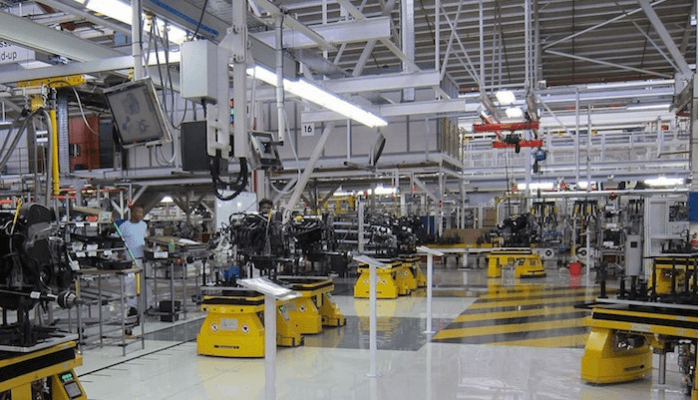
Manufacturing and infrastructure development are set to drive demand for heavy machinery, industrial equipment and power solutions as public and private investment in infrastructure gathers pace.
Beyond these traditional sectors, leasing activity is expected to expand further into agriculture, healthcare, telecommunications, education and renewable energy, presenting new opportunities for diversification and long-term growth.
On the regulatory front, the continued implementation of the Equipment Leasing Act and the operationalisation of the Equipment Leasing Registration Authority (ELRA) are expected to strengthen transparency, asset ownership protection and contract enforceability.
Wider adoption of digital lease registration and stronger collaboration between regulators and industry stakeholders will be critical to improving confidence across the ecosystem.
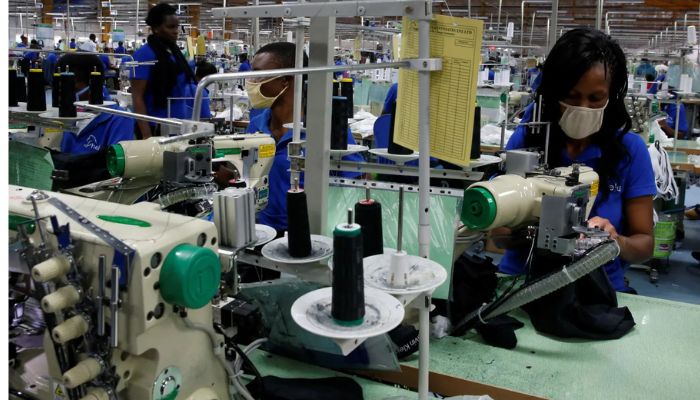
Opportunities in the sector in 2026 are expected to centre on Small and Medium Enterprises (SMEs) financing, digital transformation and funding innovation. SMEs remain largely underserved by traditional finance, and tailored leasing solutions could unlock significant value.
Meanwhile, technology-driven improvements in credit assessment, asset tracking and contract management are reshaping the industry, alongside growing interest in asset-as-a-service models.
However, risks persist. Exchange rate volatility continues to affect the cost of imported equipment, while high funding costs, limited access to long-term capital and enforcement challenges remain constraints.
Addressing these issues will require sustained collaboration among regulators, lessors, financiers and the judiciary to fully unlock the sector’s potential.