The current tariff increment by the Nigerian Electricity Regulatory Commission (NERC) may create more problems than it is meant to solve, as undiscerning consumers are made to pay additional annual electricity tariff of N101 billion going by the assumptions on which the tariff is predicated.
Meanwhile, the Discos are crying out that the N50 billion maximum investment into the sector by all the players put together, as stipulated by NERC is too meagre to deliver meaningful mileage despite the increase in tariff.
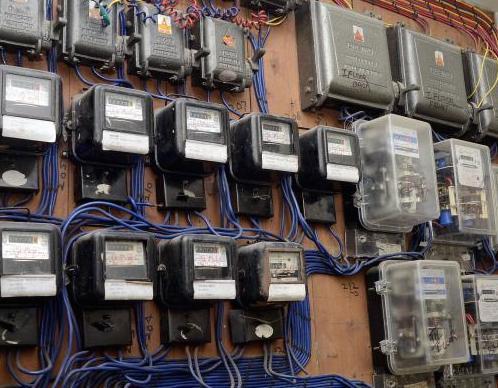
The Discos say the amount is insufficient for them to procure meters alone, not to talk of transformers and other accessories required for the distribution of electricity.
On the N101 billion expected to be generated from tariff, going by the new rate , an industry source said the tariff was based on the assumption that by January this year, electricity generation would have hit 5,000 megawatts.

Unfortunately however, the situation now does not suggest that the country would hit that level of generation anytime soon. The tariff is however expected to last six months before it is reviewed. If the generation target is not met in six months time, then another tariff regime may come on stream. This means that Nigerians would have to pay more to get supply.
But Sunday Oduntan, executive director Association of Nigerian Electricity Distribution (ANAD) a body representing the Disco’s, said insufficient capital expenditure has been one of the major problems facing the industry .
Oduntan further observed that having an electricity market which ensures improvement in the quality of supply would be ideal for the country. Such an arrangement would allow for proper interplay of market forces.
He said the electricity transition market which was declared last year, was done prematurely. He further said that now that there is a reflective tariff the industry hopes for the proper take-ff of the transition market next month.

According to him, as things stand now, there is a huge gap in terms of working capital and capital expenditure (CAPEX) and this is why the government has no choice but to approve the current tariff. “If they don’t close the gap, we would all just be talking and not move forward”.
He further observed that when the Discos took over in 2013 there was a difference of N290 billion between the regulated cost and the actual price of electricity. He said another difference of N265 billion between regulated cost and the price the Discos charge has resurfaced since October last year, justifying the nned for a reflective tariff .
The differential on the average is about N20 billion per month. The gap would continue, he said, if there is no reflective tariff in place.
He pointed out that the loan from the Central Bank of Nigeria (CBN) to the indutry was meant to fill the capital gap so that gas producers and generating companies could continue to work, but that the purpose was unfortunately misread.
He also observed that it was just N65 billion out of the N202 billion that had just been released by the apex bank and that he hoped it would release the remaining soon.
Oduntan said even though the tariff has been increased, the industry is still largely regulated and NERC dependent.
According to him, the country can currently generates 12,000 megawatts but the transmission facilities can only wheel 5,300 megawatts and because of this, the Gencos have to restrict their generating capacity to what the transmission company can transport.
Olusola Bello