Nigerian students and workers are left behind as the education structure of Africa’s most populous nation fails to equip its workforce with globally competitive skill sets in alignment with market-demands and employers’ needs.
Incremental innovation and greater business flexibility are redefining both the quality and quantity of knowledge, skills and technology needed to thrive in the workplace today. Technology innovation is leading to automation of white-collar jobs through the development of software and adoption of robots for routine tasks, this means large scale job losses for low skilled and middle skilled workers but for highly skilled workers, a progressive work environment provides for greater autonomy and better work-life balance.
Nigeria’s education system continues to function in silos apparently unaware of the changing world around it and lethargic about aggressively overhauling the system to bring it up to speed with market-demands and employers’ needs.
“You see, one big problem with our school system is that it was designed to produce people to fill up positions in civil service during the colonial days. We should outgrow this paradigm. For instance, oil was discovered after colonialism and we do not have any university in Nigeria that offers petrochemical engineering or anything close to this” said Henrietta Onwuegbuzie, academic director Owner-Manager programme at the Lagos Business School, Lagos.

Given that the work place of the future would be science and technology driven, the leadership of Africa’s largest economy still struggles to formulate and create the enabling policy environment needed to drive the growth of Science, Technology, Engineering and Mathematics (STEM).
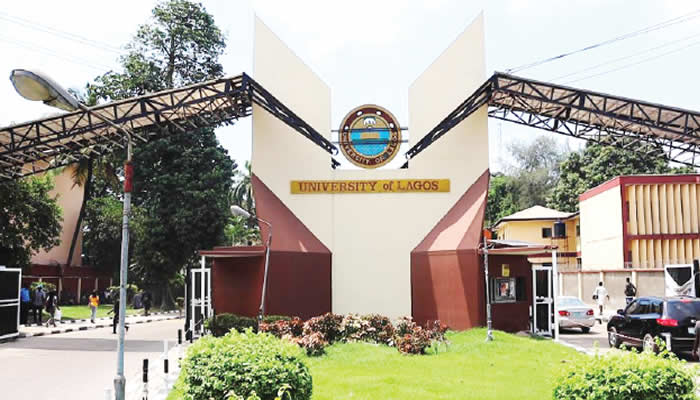
“Science and technology has not developed sufficiently well in Nigeria to influence national policies and ethos. Our Leaders are not thinking in a sufficiently scientific manner to champion technology as a vehicle to enhance accelerated national development. Unfortunately, in our world, driven by science and technology-no significant improvement in our lives can happen without focused development of science and technology” said Oyewusi Ibidapo-Obe, a distinguished professor of Systems Engineering and former vice-chancellor of the University of Lagos.
At a time when technology is making life easier and most transactions going online. The National Universities Commission (NUC) still does not recognise e-learning platforms designed to facilitate and personalise learning. “The NUC’s current policy on E-learning is clear; we do not recognise online degrees. There are plans underway to do so in two years but, until then, online degrees are not recognised by the NUC” a source at the NUC who does not want to be named told BusinessDay.
One clear sign that Nigerian universities are lagging behind global standards and unable to produce students capable of independent innovative thinking is the state of science and technology learning, research and teaching infrastructure.
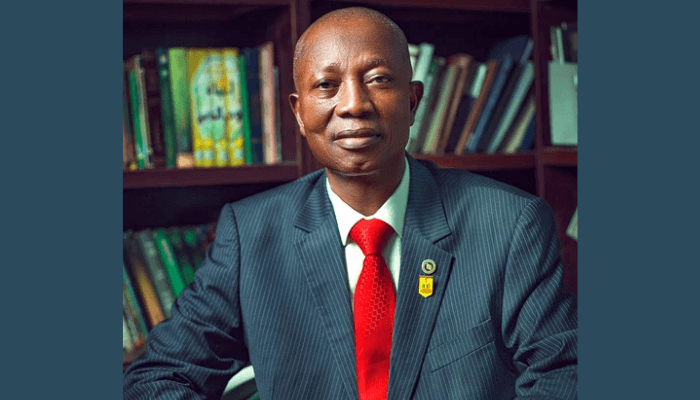
“No Nigerian university is ranked among the first 1000 universities in the world. Now, the most critical indicator in university ranking is quality and quantity of research. Owing to a number of factors chief of which is poor research capacity of staff in the Nigerian university system and a decaying research environment, we can hardly move to the top of league tables if these challenges persist. This has a negative effect on quality of students who graduate and workforce of the country” said Peter Okebukola, former executive secretary of the National Universities Commission (NUC) in an emailed response to BusinessDay’s enquiry.

Okebukola added, “another strong indicator that our system is underperforming is the international component of staff and students. Most of our universities have sparse international students or none at all. International staff is also scanty. The poor resourcing of our universities accounts in large part for international students and staff not coming to study and to teach. The issue of security also plays a scary role for the international staff and student.”
STEPHEN ONYEKWELU