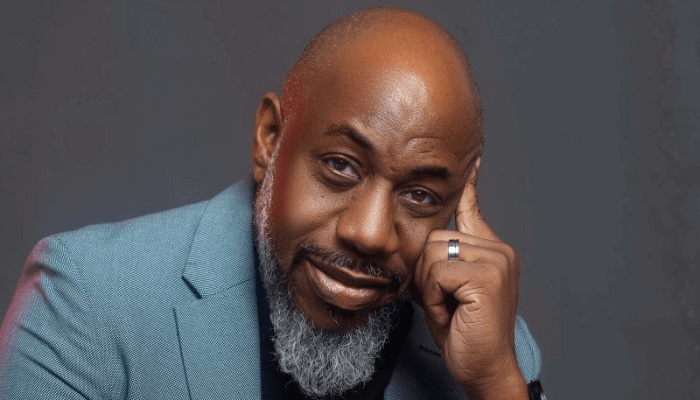
Nkem Robert is a business development professional specialising in transformational strategies. With expertise in marketing, he creates impactful campaigns that drive measurable results. As an orator and trainer, Nkem empowers teams to achieve their goals while fostering strong connections in dynamic environments. He holds a Master’s degree in Business Administration from the University of East London. In this interview with KENNETH ATHEKAME, he spoke on the pivotal role of small and medium-sized enterprises (SMEs) in Nigeria’s economy, the challenges they face, and the policies needed to drive their growth and long-term sustainability. Excerpts:
You’ve had experience spanning consulting, technology, construction, education, and faith leadership. How have these diverse fields shaped your perspective on entrepreneurship in Nigeria?
My journey has shown me that entrepreneurship is never one-dimensional; it’s about solving problems from multiple angles. I started in technology, building SaaS solutions to address everyday business and personal challenges. The success of those projects attracted people who sought my advice, which naturally led me into consulting.
With a background in civil engineering, I’ve always applied the same principles of beams and columns structure and support to business systems and processes. That mindset gave me a unique edge. Esturgeon Construction became an extension of that discipline, allowing me to build, design, and renovate with precision.

Each field added a layer: consulting sharpened my analytical thinking, technology nurtured innovation, construction emphasized precision, and education taught me patience in developing people. But at the core of it all is my faith it’s who I am. My businesses are simply expressions of my drive to solve problems and create impact.
What motivated you to found Gatewood Consulting and later your other ventures, Easyace Synergy and Esturgeon Construction?
I actually began with Easyace Synergy, driven by a desire to bridge gaps in both domestic and business operations through technology. We developed platforms like EasySchool, eBizApp, and the HandyMan app all designed to simplify life and work. Initially, I focused on development and coding, but I soon realized that technical expertise alone wasn’t enough. I needed business acumen. Partnering with the right people and growing my business knowledge helped us achieve measurable success. Within a year, we generated millions in revenue.
That success led friends to seek my business advice. I began consulting informally until one day, someone paid for a session and that became the spark for Gatewood Consulting, which now helps entrepreneurs and organizations scale efficiently.
Esturgeon Construction came later, inspired by my visit to Dubai. Witnessing world-class infrastructure motivated me to replicate that level of excellence here in Nigeria.

Many young entrepreneurs struggle to balance vision with execution. What’s been your biggest lesson?
My biggest lesson is the power of delegation and monitoring. As a founder, you start by doing everything yourself, but as your vision grows, you must trust capable hands to execute while you provide strategic direction.
The true role of a visioner is to keep seeing, shaping, and guiding the future of the business. That’s only possible when you delegate effectively, build monitoring systems, and insist on operational excellence.
SMEs are often described as the backbone of Nigeria’s economy. In your experience, what are the most critical challenges they face today?
The main challenges are access to finance, weak business structures, and inconsistent policies. Many SMEs are passion-driven but lack the systems, governance, and documentation needed to attract investors or scale sustainably.
From your consulting experience, what common mistakes do Nigerian SMEs make when structuring their businesses?
The biggest mistake is building for survival rather than vision. Too often, businesses are extensions of their founders designed to pay bills, not to create long-term value. That mindset leads to short-term decisions.
Additionally, many SMEs lack financial discipline, proper documentation, and governance systems. Without these pillars, it’s difficult to scale, attract investment, or build a legacy beyond the founder.
How can SMEs move from survival mode to building scalable, sustainable businesses?
The first step is a mental shift. Entrepreneurs must think beyond survival and start building with purpose. That’s why I founded the SME Conference to expose small businesses to global best practices, new mindsets, and the importance of structure.
Mentorship is also crucial. Having access to people who’ve walked the journey helps SMEs avoid costly mistakes. Practically, businesses must document processes, separate personal and business finances, build competent teams, and leverage partnerships. Engaging consultants can accelerate this transformation.
Your company Easyace Synergy developed tools like eBizApp and EasySchool. How important is technology adoption for Nigerian SMEs, and what barriers exist to digital transformation?
Technology is no longer optional; it’s the lifeline of competitiveness. That’s why we built tools like eBizApp and EasySchool, to simplify daily operations for SMEs and schools.
The barriers remain the cost of adoption, low digital literacy, and resistance to change. But once embraced, technology drastically improves efficiency and profitability. With the rise of AI, SMEs that delay adoption risk being left behind by more innovative competitors.
How has automation transformed the performance of businesses you’ve worked with?
Automation has reduced overhead costs by up to 30% and improved efficiency by around 20 per cent. By automating routine processes like payroll or inventory, entrepreneurs can focus on strategy and innovation.
Through e-commerce integration, many of our clients now earn up to 40 per cent of their revenue in foreign currency by reaching international customers.
How do you identify market gaps worth innovating for?
I don’t actively look for gaps. I experience them. For example, Epayng was inspired by my frustration when I had to trek three kilometers just to buy airtime. The HandyMan App was born from struggling to find reliable technicians.
Innovation starts with empathy. When I experience a problem that affects others too, that’s a clear signal a solution is needed. The best products solve real, everyday pain points.
What personal principles guide you in leading multiple ventures across different sectors?
Three principles guide me: People first, systems over sentiment, and integrity above profit.
You founded the SME Conference in 2024. What was your vision, and what impact has it had so far?
My vision was to create a platform where small businesses could learn, network, and grow. In 2024, over 150 businesses participated, with speakers and partners from various industries. The impact has been powerful new collaborations, strategies, and renewed confidence among entrepreneurs.
What role should mentorship and peer networking play in strengthening entrepreneurship in Nigeria?
They are absolutely critical. Mentorship shortens the learning curve by offering lessons others paid for with time and mistakes. Networking, on the other hand, opens doors and businesses grow faster through relationships than advertisements.
In Nigeria, where access to funding and information is limited, mentorship and networking are lifelines. Entrepreneurs must stop seeing peers as competitors and start viewing them as collaborators.
You train fashion entrepreneurs and hold international masterclasses. What key gaps do you see among Nigerian entrepreneurs?
The biggest gaps are structure, strategic thinking, and financial discipline. In my classes, I emphasize systems thinking, business planning, and brand positioning skills that transform talent into scalable businesses.
How do you adapt global business insights to Nigeria’s unique environment?
Global best practices must be localized. For instance, while Western companies scale through venture capital, Nigerian SMEs often grow through cooperatives or joint ventures. The principle is global, but the execution must reflect our reality.
My faith also shapes my approach. While my MBA training expanded my analytical skills, I’ve found that my most effective strategies often come from prayer and divine guidance. That balance of global knowledge and spiritual insight helps me design practical solutions that work locally and internationally.
From your vantage point, what policy reforms would most benefit Nigerian SMEs?
First, improve access to affordable finance. Many SMEs are locked out of growth due to funding gaps. Single-digit loans should be made accessible through commercial banks, which already have the infrastructure and visibility into business health to manage risk effectively.
The government should also provide tax incentives that encourage reinvestment and expansion, and focus on the basics of reliable power and affordable internet. Once stability and supportive infrastructure are in place, SMEs can thrive and compete globally.
What should government, investors, and private sector leaders be doing differently to support entrepreneurship in Nigeria?
The government must create enabling policies, investors need to be more patient with SME growth, and private sector leaders should mentor and partner with emerging entrepreneurs. Collaboration across these groups is key to a stronger entrepreneurial ecosystem.
Looking ahead, what’s your long-term vision for Nigerian SMEs, and how do you see yourself contributing to it?
My long-term vision is to see Nigerian SMEs evolve beyond survival to become globally competitive enterprises that create jobs, generate wealth, and shape industries.
My role is to keep building bridges: through consulting that strengthens business structures, through platforms like the SME Conference that provide knowledge and networks, and through technology solutions that make operations smarter and more sustainable.
If we can combine vision with structure, Nigeria’s SMEs won’t just survive they’ll redefine the future of our economy.