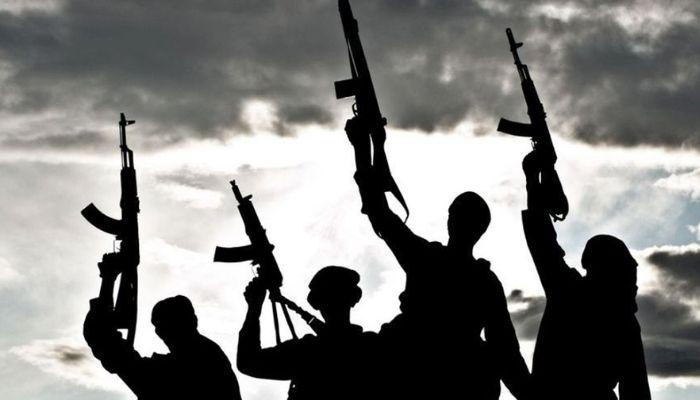
Nigeria has finally delivered a long-awaited blow to the terrorist hydra that has stalked its citizens for over a decade. With the capture of Mahmud Muhammad Usman, alias Abu Bara’a, and his deputy, Mahmud al-Nigeri, alias Mallam Mamuda, the country has achieved what many security analysts once thought impossible: dismantling the leadership of Ansaru, Nigeria’s Al-Qaeda franchise, and crippling its most dangerous operational cells.
For years, these two men were the shadowy masterminds of kidnappings, bombings, and cross-border alliances that kept Nigeria in a perpetual state of insecurity. Abu Bara’a, styling himself “Emir of Ansaru”, oversaw sleeper cells and criminal networks that financed terrorism through blood money. Mamuda, the Libyan-trained bomb specialist, orchestrated attacks that reverberated far beyond Nigeria’s borders. Together, they authored the Kuje prison break of 2022, the Niger uranium facility assault, and countless kidnappings that terrorised both Nigerians and foreigners.
Now, their capture in a high-risk intelligence-led operation has stripped Ansaru of its central command. The victory is so decisive that even the international community has paused to acknowledge it. Richard Montgomery, the British High Commissioner to Nigeria, took to X to praise the arrests, calling it:
“An extraordinary & very significant success. A major step forward in the fight against terrorism. Congratulations to the security agencies & officers involved under the leadership of NSA Ribadu.”

The United States was no less emphatic. The U.S. Mission in Nigeria, in a public comment on its official X account, declared:
“We commend the Nigerian Government and security forces on the successful arrest of wanted #Ansaru leaders, Mahmud Muhammad Usman (aka Abu Bara’a) and Mahmud al-Nigeri (aka Mallam Mamuda). This is a significant step forward in Nigeria’s fight against terrorism and extremism.”
It is rare for Nigeria’s counterterrorism efforts to earn such unqualified commendation from seasoned diplomats. These endorsements underscore a fact that Nigerians themselves often hesitate to believe: that the nation’s intelligence and security forces, so often derided for failures, can deliver results when leadership, coordination, and political will align.
Read also: Borno residents raise alarm as terrorists regroup, plan to attack
But this is where the celebration must end, and sober reflection must begin. While the capture of Abu Bara’a and Mamuda is historic, it does not automatically translate to the dismantling of the violent ecosystems that bred them. Terrorist organisations are not merely defined by their leaders but by the social conditions and governance failures that allow them to regenerate. Boko Haram lost Mohammed Yusuf and later Abubakar Shekau, yet splinter groups like Ansaru arose from the ashes. Without vigilance, another faction will emerge to fill the vacuum left by this decapitation.

The Nigerian state must therefore treat this triumph not as a conclusion, but as an inflection point. Three urgent tasks present themselves.
First, the government must tighten the noose around Ansaru’s remaining cells across the forests of Kainji, Niger, Kwara, and the Benin border. It is not enough to arrest leaders; the logistical pipelines that fund, arm, and shelter these groups must be destroyed. This demands continuous intelligence coordination between Nigeria and its neighbours in West Africa, particularly Mali, Niger, and Burkina Faso, where jihadist movements have built deadly alliances.
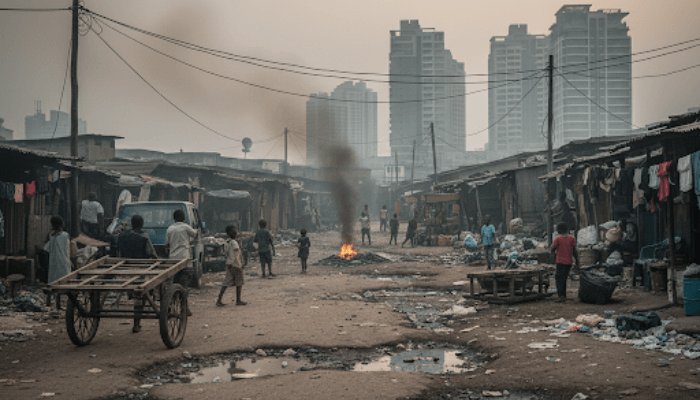
Second, Nigeria must address the domestic drivers of extremism, chronic poverty, mass unemployment, weak policing of rural communities, and a collapsed public education system. Terrorists thrive in zones where the state is absent, and despair fills the vacuum. Development must move hand-in-hand with military victories. Every cleared forest should be followed by schools, health centres, and economic opportunities, or else the insurgents’ ideology will find fertile ground again.
Third, and most importantly, transparency and accountability must guide the aftermath of these captures. Nigerians have grown weary of “big arrests” that fade into obscurity, with suspects disappearing into secret detention or escaping through shadowy deals. The government must publicly prosecute Abu Bara’a and Mamuda in a way that not only secures justice for their victims but also reaffirms the rule of law. Anything less will squander this rare moment of national confidence.
The capture of Ansaru’s leaders is a breakthrough, but it should also serve as a warning. Complacency is terrorism’s greatest ally. If Abuja mistakes this for the end of the road, another Abu Bara’a is already waiting in the shadows, nurtured by the same failures of governance.
This is Nigeria’s chance to prove that it can turn tactical victories into strategic transformation. Ribadu’s success must be the beginning of a doctrine, one that finally ends the cycle of insecurity by coupling hard power with social reconstruction. Anything less, and history will remember this as yet another fleeting triumph in a war that Nigerians cannot afford to lose.