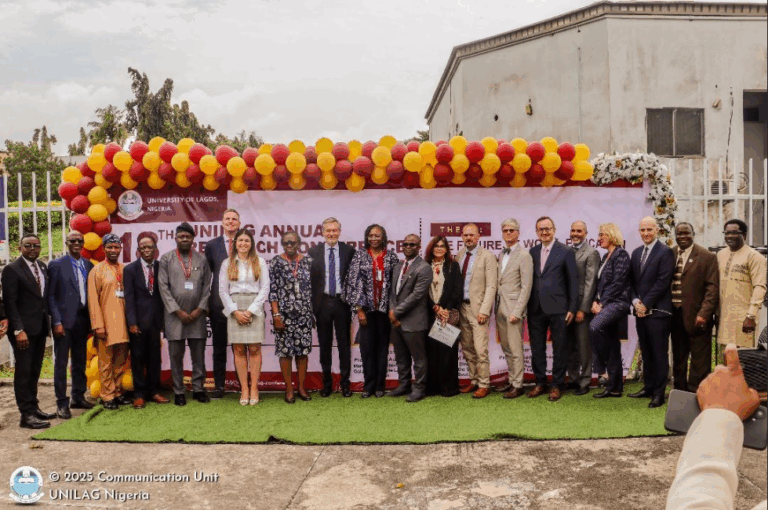
…UNILAG hosts its 18th Annual Research Conference
Educational and industry experts have emphasised that Nigeria must adopt a robust digital model that transforms key sectors, enhances digital infrastructure, and nurtures talent to be competitive in the global tech-driven economy.
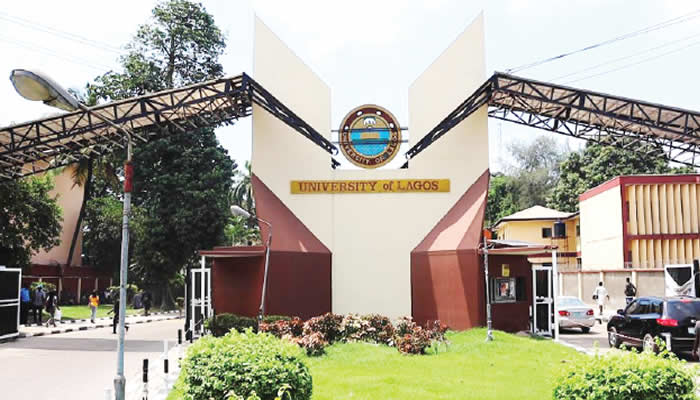
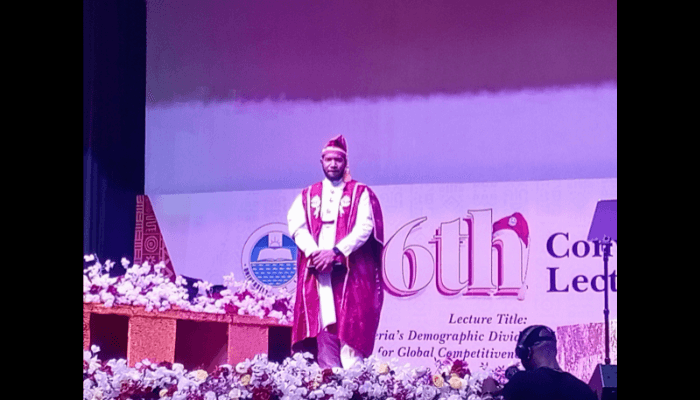
Industry experts and academia at the University of Lagos (UNILAG), 18th annual research conference on Wednesday, disclosed that without a digital foundation, the nation risks being sidelined in a world increasingly shaped by artificial intelligence, automation, and digital connectivity.


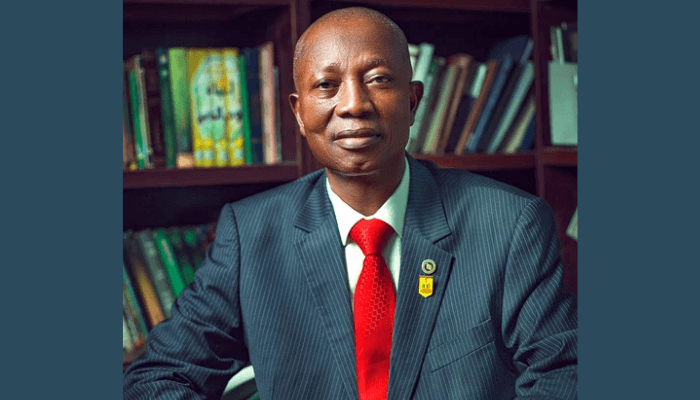
Ibrahim Adeyanju, chief executive officer at Galaxy Blackbone Limited, in his keynote address, emphasised that the country needs to move on to building a digital nation, which, according to hi,m should be the Nigerian model.
Adeyanju emphasised that by doing so, Nigeria will not just be preparing for the future of work, but will be actively building a digital nation.
“A digital nation is more than an economy with 10 sectors; it’s a society where digital identity, digital payments, and digital access to government services are seamless.
“It’s a nation where a farmer in Makurdi, an artist in Lagos, and a student in Kano can all fully participate in the global digital economy,” he said.

Speaking on the theme, “The Future of Work, Education, and Well-being in the AI Age”, Adeyanju said AI is fundamentally redefining the nature of work itself, creating a symbiotic relationship between human intelligence and machine efficiency.
The tech expert explained that in the new digital landscape, the value of uniquely human attributes such as emotional intelligence, critical thinking, problem-solving, and collaborative leadership will become more valuable.
He reiterated that the challenge for Nigeria is to prepare its workforce for this new reality; and this, he said, requires a fundamental shift in the country’s educational and training paradigms.
“Nigeria must pivot from a knowledge-based model, which focuses on memorising facts, to a skill-based one, which fosters lifelong learning and adaptability,” he noted.
However, Adeyanju emphasised that Nigeria’s ability to navigate AI is intrinsically linked to the strength of its digital infrastructure and the foresight of its government policy.
“A nation’s ability to navigate the AI age is intrinsically linked to the strength of its digital infrastructure and the foresight of its governmental policies.
At Galaxy Backbone, we recognise this and are committed to building the foundational pillars for Nigeria’s national AI readiness. AI has the potential to revolutionise industries such as healthcare, agriculture, education, and finance, but it requires a solid foundation of infrastructure to truly thrive,” he said.
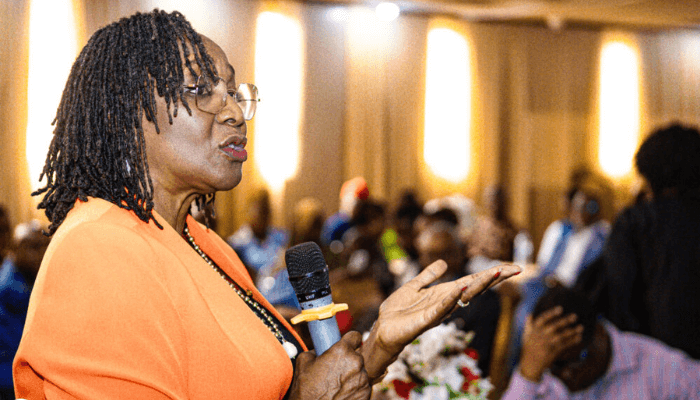
Folasade Ogunsola, vice-chancellor at UNILAG, explained that AI is a tool that is in the present, and certainly is the future, and will have a tremendous effect on people’s lives
Ogunsola urged the academics to embrace AI if they are to remain relevant.
Read also: OpenAI chooses UNILAG as home for its first African AI academy
“We actually don’t have a choice if we are to remain relevant. Universities are not about teaching; they’re about knowledge generation passed to the next generation.
“Your research must be about finding solutions for your nation’s problems; hence, it’s even more important to join the AI race,” she noted.
The vice-chancellor said Nigeria must rethink the lecturers’ role in education with the invasion of AI in the education ecosystem.
“We’ve to rethink who we are as teachers. With AI, knowledge is democratised. Consequently, those who fail to embrace AI would become irrelevant.
“Though change is hard, irrelevance is harder; we’ve to choose where we belong,” she emphasised.
Bola Oboh, deputy vice-chancellor in charge of academics and research at UNILAG, said the new AI era has put academics at the same crossroads on academic issues; however, she explained that the conference theme is very apt in shaping the future as academics by being more relevant and highly sought after even outside the university walls.
“Education needs to be re-evaluated with priority given to creativity, problem-solving, and critical thinking skills, with a constant need for the adoption of life-long learning to stay relevant.
“Education will focus more on skills-based learning with a lot of integration of AI tools into learning, and this will need the adoption of ethical and inclusive practices into learning,” she said.
Read also:World University Rankings 2026: UI, UNILAG, Bayero top list of Nigeria’s best
Oboh said that UNILAG’s priority to research has made it give out N1 billion as grants to its researchers since 1983 through the Central Research Committee.
She explained that the act has improved the capability of the faculty in research and helped them to build confidence to go for more national and international grants.
“This is evidenced by the THE ranking for 2026, where not only was UNILAG first in Nigeria, but the breakdown shows that in research quality, it’s the best,” she noted.
Solomon Okunuga, chairman of the conference planning committee, said the conference offers participants the privilege to have discussions geared towards AI.