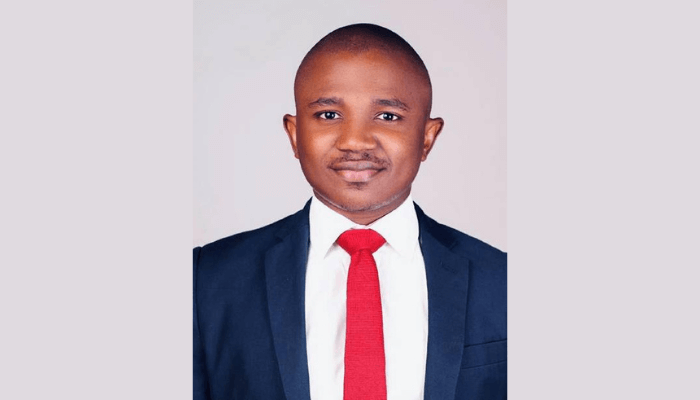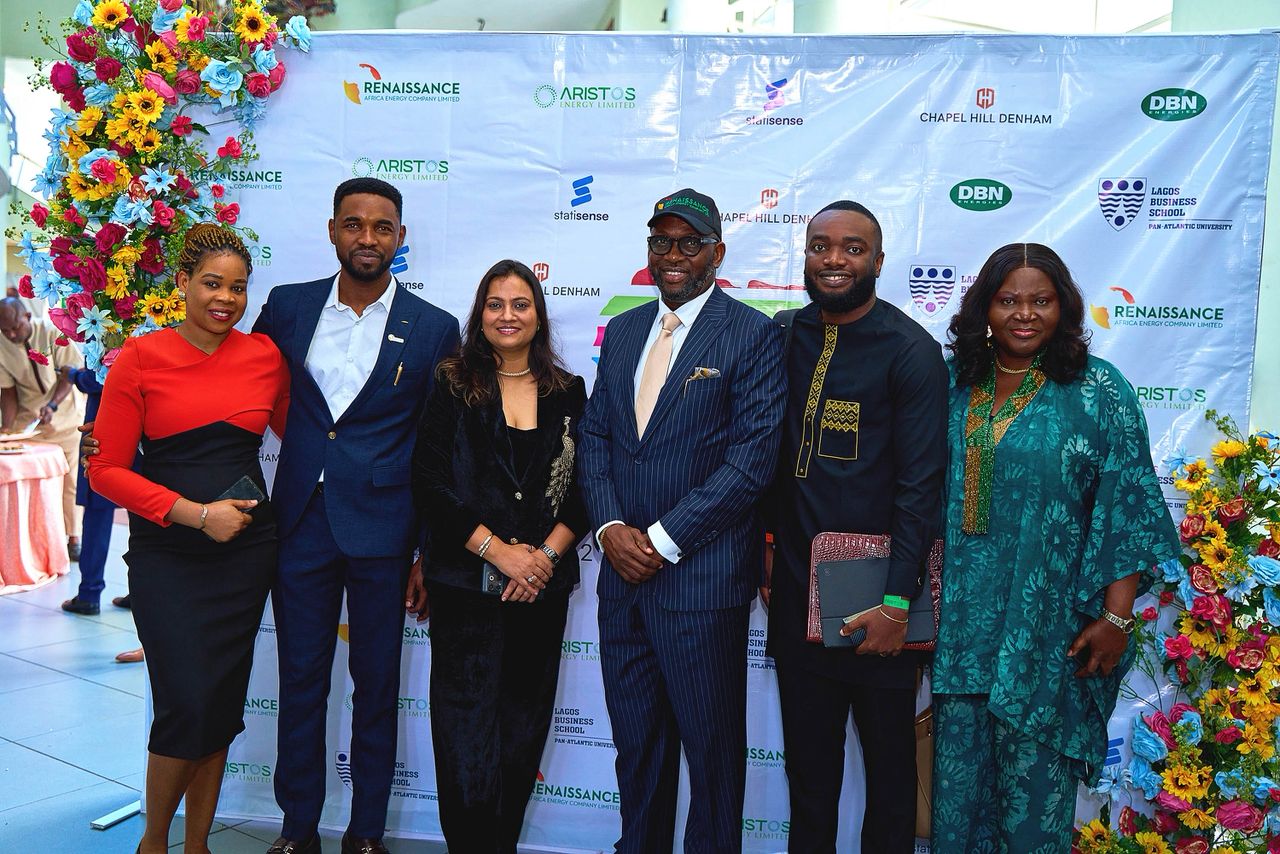
Tony Attah, Managing Director and Chief Executive Officer of Renaissance Africa Energy, has urged Nigeria to leverage its vast natural gas reserves as a transition and destination fuel to drive inclusive economic growth, industrialisation, and energy security across the continent.
Attah made the call while delivering the keynote address at the 2025 Africa Energy Conference organised by the Lagos Business School (LBS) Energy Club and the MBA Careers and Placement Unit, themed “Powering Nigeria: Advancing Inclusive Energy Security for Sustainable Growth.”
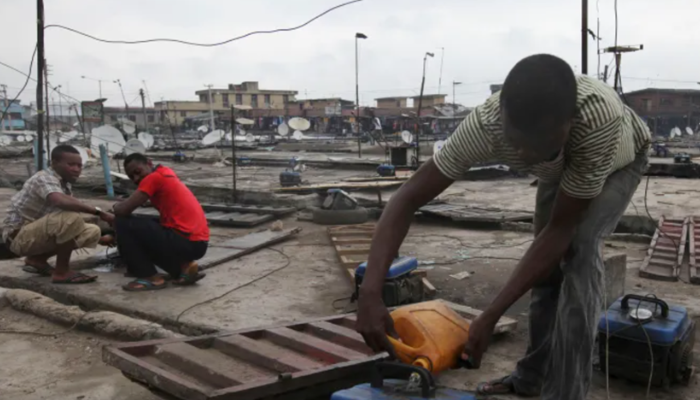
He described Nigeria as a “land of energy abundance but energy poverty,” stating that despite possessing over 37 billion barrels of oil and 210 trillion cubic feet (TCF) of natural gas, the country still struggles with widespread energy deprivation.
“Over 85 million Nigerians lack access to electricity,” he said. “Energy poverty is not just inconvenient, it is lethal. It kills education, health, innovation, and dreams.”

He called on Africa to “decarbonise without deindustrialising, and transition without exclusion,” warning that the continent must pursue energy justice that fits its realities.
“Africa’s energy future must be built by Africans, for Africans, and with home-grown solutions,” he said. “The future is not something we enter, it is something we create.”
Read also: Schneider’s AirSeT redefines grid sustainability, wins global award
In his welcome address, Franklin Ngwu, Director of the Public Sector Initiative at Lagos Business School, who represented the Dean, Olayinka David-West, said the conference serves as a strategic platform for meaningful dialogue on Africa’s energy future at a time when the continent faces urgent economic and environmental challenges.
“This conference is not just another event,” he said. “It is a timely forum for discussing how to ensure reliable, affordable, and sustainable energy for all Nigerians.”

He identified three critical areas of focus for the dialogue, policy and governance, evolving energy trends, and financing the transition, noting that achieving energy inclusion requires collaboration among government, academia, and the private sector.
“Energy is the backbone of economic inclusion, social equity, and industrial development,” he said. “No nation can industrialise without a functional energy sector.”
In her opening remarks, Shweta Srivastava, President of the LBS Energy Club, said the idea behind the Africa Energy Conference was to create a bridge between the traditional energy sector and the renewable energy movement by fostering collaboration rather than fragmented discussions.
She explained that the student-led initiative began as an idea and had evolved into a continental platform that attracts policymakers, investors, and innovators committed to solving Africa’s energy challenges.
“We wanted to create a space where government, regulators, financial institutions, and technology innovators could come together, not to work in silos, but to build synergy,” she said.