The World Bank Group announced on Monday that its board of executive directors has approved US$200 million of International Development Association (IDA) additional financing for the final push to eradicate polio and sustain routine immunisation for children under five years and women of reproductive age in Nigeria.
The project was approved Friday, April 10, 2015 in Washington D.C.
Nigeria is making significant progress towards polio eradication, with no new cases of polio virus reported since July 2014. The disease surveillance system, even in insecure areas, continues to perform well.
This additional financing will build on the positive results of the original project approved in July 2012 and help sustain the gains achieved to date, the World Bank said in a statement announcing the support.

“This important contribution from the World Bank comes at a critical time to help Nigeria sustain its strong progress against polio eradication,” said Hamid Jafari, head of the Global Polio Eradication Initiative. “This investment in Nigeria and further investment in Afghanistan and Pakistan will help galvanize support and strengthen routine immunisation of children, particularly building on the lessons learned from polio eradication in these countries.”
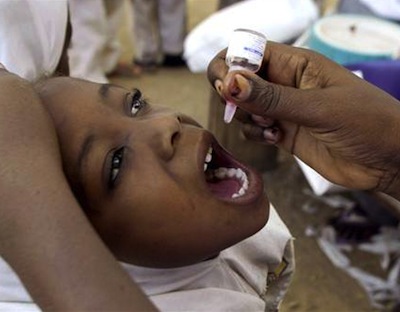
This new financing for the Polio Eradication Support Project will specifically assist Nigeria to increase and sustain the coverage of oral polio vaccine immunisation. With five more months of zero cases of wild polio virus (WPV), Nigeria will have officially interrupted transmission of polio, which is a significant milestone toward eradication.
“Eradicating polio is a global public good because of its epidemic potential and devastating impact on children and adults,” Oluwole Odutolu, World Bank task team leader for the Polio Eradication Support Project, said, reiterating that polio remains a lethal and crippling disease that is entirely preventable and ending it makes the world a safer place for all children.”
This additional financing will also help sustain the coverage of routine immunisation in the country and the prevention of vaccine preventable-diseases, which is a major cause of under-five mortality in Nigeria.
According to Marie Francoise Marie-Nelly, country director of the World Bank in Nigeria, “Sustaining routine immunisation is critical to completing polio eradication and improving the health of children and mothers in Nigeria.”

Apart from Nigeria, the World Bank has partnered with other global agencies in efforts to eradicate polio through the Global Polio Eradication Initiative and to strengthen routine immunisation, with partners including Gavi, the Vaccine Alliance, UNICEF and the World Health Organisation.
“With no new cases of polio in Africa, efforts to interrupt transmission of polio as part of the Global Polio Eradication Initiative are looking extremely promising,” said Tim Evans, senior director for health, nutrition and population at the World Bank Group. “However, polio anywhere is a threat everywhere. As we reach the finish line in Nigeria, we must also focus on getting to zero new polio cases in Afghanistan and Pakistan.”