… To recover 40% losses
… As agribusiness practitioners look to Govt, private sector to address challenges.
Nigeria will today record a milestone achievement after 58 years, as a cargo of tomatoes which left Kano at 9 am on Monday by rail is expected to arrive Lagos early this (Wednesday) morning.
It typically takes between three and four days to transport tomatoes from the north of the country by road, where it is majorly produced, to the south, where the bulk of the market is.
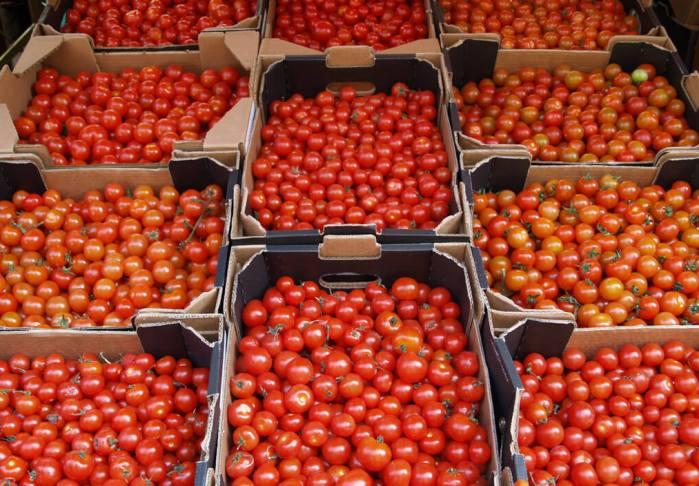
The tomatoes are coming in specially designed plastic crates and this will help reduce wastage because with this mode of packaging, the tomatoes cannot be crushed as typically happens with raffia baskets.
Emmanuel Ijewere, vice president, Nigeria Agribusiness Group (NABG) and managing director/CEO Best Foods Limited, disclosed the scheduled arrival of the train-freighted tomatoes at the maiden edition of the FirstBank Nigeria, Agric Expo on “Reinventing Agriculture for Sustainable National Development”.
Analysts said last night, that this is a positive development that would help the country recover the estimated 40 percent losses resulting from freighting tomatoes by road and in raffia baskets .
According to stakeholders, the transportation of tomatoes by rail will also help farmers save about 20 percent in transport cost as against road haulage.
Tomatoes transported by road in raffia baskets are heaped on each other, resulting in a significant volume being crushed and rotting due to heat and poor ventilation along the way.
Tomato demand in Nigeria is put at 2.2 million metric tons per annum, while annual actual production is 1.5 million metric tonnes but 700,000 metric tonnes are lost to post harvest wastage, leaving only 800,000 metric tonnes supplied to the market, data obtained from the agric ministry shows.
Nigeria is the 13th largest producer of tomatoes in the world and the second after Egypt in Africa, yet the country is unable to meet local demand because about 40 percent of tomato produce is wasted due to poor packaging , transportation and storage.
However, agribusiness practitioners who gathered at the First Bank event, unanimously agreed that government at all levels and the private sector, need to collaborate to address the challenges facing the sector.
Some of the challenges they outlined include lack of access to finance, a shortage of mechanisation and extension services, declining age of farmers, poor value chain and lack of research in the universities and other institutions, among others.
“Government needs to sit down and apply a collective approach, using the platform of the organised private sector on how to get policies executed in a right manner”, Sani Dangote, president of the Nigeria Agribusiness Group said.
Audu Ogbe, minister of agriculture, was worried that the business of feeding is taken seriously in other countries while in Nigeria; it is taken lightly due in part to policy summersaults.
Responding to why Nigeria is economically underdeveloped, Ogbe said there have been a lot of disruption as the nation delved deep into importation, neglected agriculture, to focus only on oil for revenue. He added that the Structural Adjustment Programme (SAP) is a disastrous policy which Nigeria embarked upon.
The agric minister said the ministry is in discussions with the Central Bank on how to resolve issues relating to access to foreign exchange proceeds, so that exporters will bring forex home without losing money.
In his response to regaining the lost glory in agriculture, also at the plenary session, Waheed Olugunju, acting managing director, Bank of Industry (BOI) who represented Okechukwu Elenamah, minister of industry, trade and investment, said it is the responsibility of everyone, the government and the people.
HOPE MOSES-ASHIKE and JOSEPHINE OKOJIE