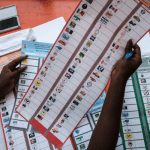
Nigerians were on Sunday awaiting the initial results of a presidential election as vote counting continued across Africa’s most populous nation with both major parties expressing confidence about winning Saturday’s poll.
There had been widespread delays on Saturday, with polling places across the country opening hours late, as well as scattered reports of technical glitches, irregularities and violence, including estimates that 16 people had died.
Almost 73m Nigerians — almost 90 per cent of registered voters — collected their voter cards for Saturday’s election, which is likely to be Africa’s largest ever and will set the country’s course over the next four years.
The first results from some parts of the country are likely to be announced on Sunday evening with the Independent Nigerian Electoral Commission expected to declare a winner by Tuesday.

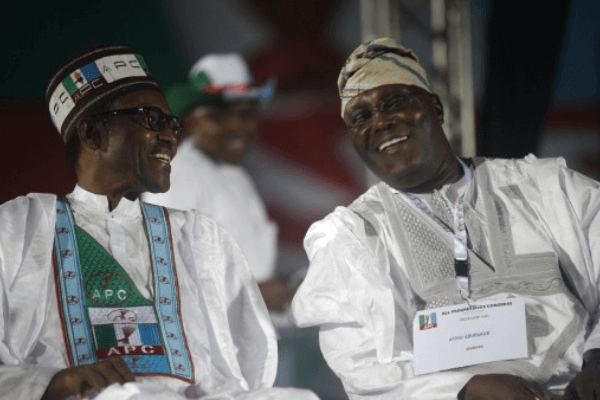
More than 70 candidates were on the ballot, but only President Muhammadu Buhari, a former military ruler seeking a second term, and former vice-president Atiku Abubakar, a wealthy businessman, have a chance of winning.
In order to claim victory, a candidate must win the popular vote as well as at least a quarter of votes in two-thirds of Nigeria’s 36 states. A second round will be called if no candidate achieves that.
Analysts and the parties themselves forecast a tight race, though both sides used social media to claim momentum was on their side during the weekend.
After Mr Buhari cast his ballot in his hometown in the country’s north, he said: “I will congratulate myself because I am going to be the winner.”
In a press release on Sunday morning, Mr Abubakar thanked voters and said that “victory is assured”.

The delays on Saturday were minor compared with the last-minute postponement that Inec announced last Saturday, citing logistical challenges, just hours before polls were meant to open.
But the Youth Initiative for Advocacy, Growth and Advancement, which conducted a US- and UK-backed observation and polling mission, criticised the electoral commission for overseeing an election “characterised by many of the same shortcomings that have marred previous national elections in Nigeria”.
“They were not the elections Nigerians deserved,” Yiaga said in a statement on Sunday. The group said turnout was likely to be below 2015’s 44 per cent.
Idayat Hassan, head of the Abuja-based Centre for Democracy and Development, said the outbreaks of violence were concerning, and betrayed a “win at all costs” attitude on the part of the parties, but that Nigerians had overcome a host of obstacles to come out to vote.
“People stayed on [despite the widespread delays],” she said. “That’s the most positive part of the election: the determination to participate.”
Mr Buhari and Mr Abubakar have mounted an at times acrimonious campaign.
Mr Abubakar has criticised the president for not fulfilling his three main 2015 campaign promises: fixing the economy, curbing corruption and strengthening national security. The economy has languished on his watch and unemployment has soared; his anti-corruption drive has been slammed as partisan; and there are violent security crises in many corners of the country.
Mr Buhari’s party, meanwhile, has attacked Mr Abubakar over corruption allegations that have dogged him for years, which he denies.
Mr Buhari’s 2015 victory was the first time an opposition candidate had won since democracy returned to Nigeria in 1999. On Saturday, many Abubakar supporters said it had given them confidence in their votes and their ability to change the course of the country.
“We know Atiku is not an angel, but since Buhari has failed at fighting corruption, let’s try someone who will fight poverty instead,” said David Ndukwe, 32, at a polling unit in the Ikoyi area of Lagos. “And if he can’t do it, we try someone new in four years.”