For those who are familiar with the process of formulating global development goals – from Mid-Decade Development Goals negotiated before the turn of the new millennium (1990-2000) to the Millennium Development Goals (2000-2015), the whole enterprise is no more than changes in nomenclature within the international development lexicon. This is why, from an intellectual perspective, discussions on these goals always look boring.
Take, for example, the issue of numbers. MDGs comprised the following goals: (i) To eradicate extreme poverty and hunger; (ii) To achieve universal primary education; (iii) To promote gender equality; (iv) To reduce child mortality; (v) To improve maternal health; (vi) To combat HIV/AIDS, malaria, and other diseases; (vii) To ensure environmental sustainability; and (viii) To develop a global partnership for development.
But what are the initial thoughts on SDGs? The Sustainable Development Knowledge Platform contains vital perspectives for this in the form of a document appropriately titled “Transforming our world: the 2030 Agenda for Sustainable Development”.
The draft goals that have been postulated as SDGs are more than double MDGs, and comprise the following: (1) End poverty in all its forms everywhere; (2) End hunger, achieve food security and improved nutrition and promote sustainable agriculture; (3) Ensure healthy lives and promote well-being for all at all ages; (4) Ensure inclusive and equitable quality education and promote lifelong learning opportunities for all; (5) Achieve gender equality and empower all women and girls; (6) Ensure availability and sustainable management of water and sanitation for all; (7) Ensure access to affordable, reliable, sustainable and modern energy for all; (8) Promote sustained, inclusive and sustainable economic growth, full and productive employment and decent work for all; (9) Build resilient infrastructure, promote inclusive and sustainable industrialization and foster innovation; (10) Reduce inequality within and among countries; (11) Make cities and human settlements inclusive, safe, resilient and sustainable; (12) Ensure sustainable consumption and production patterns; (13) Take urgent action to combat climate change and its impacts; (14) Conserve and sustainably use the oceans, seas and marine resources for sustainable development; (15) Protect, restore and promote sustainable use of terrestrial ecosystems, sustainably manage forests, combat desertification, and halt and reverse land degradation and halt biodiversity loss; (16) Promote peaceful and inclusive societies for sustainable development, provide access to justice for all and build effective, accountable and inclusive institutions at all levels; and (17) Strengthen the means of implementation and revitalize the global partnership for sustainable development.

The current migrant menace in Europe, taken together with the mayhem on the Mediterranean, should alert the world to the need to evolve a new world social order.
Member countries of the UN system are taking part in a high-level plenary meeting of the General Assembly the Nations summit in New York for the adoption of the post-2015 development agenda from 25 to 27 September 2015. And there couldn’t be a better opportunity for articulating the elements of this new order than the one presented by the ongoing process of agreeing on a “new” set of sustainable development goals (SDGs).
Perhaps these will eventually be reduced to a more manageable list of goals, without necessarily ignoring the concerns addressed by each and any of the goals. It is the basis for prioritizing these goals that is of interest to me in this analysis. What are Nigeria’s priorities in the context of SDGs? Are they different from other countries’ goals?
Arguably the most important global issue today is human security. More human lives have been lost during the last 15 years than in any period of human history through conventional and non-conventional wars.
That is why, from the lot, the goal that I find most appropriate to our common humanity is Goal 11, namely, “Make cities and human settlements inclusive, safe, resilient and sustainable”.

With all the resources it will require, the international community must seize this opportunity to commit to making society safer for human beings – safe from violent insurgency; safe from injustices that ignite communal violence; and safe from conducts that divert resources for people-centred development to irrelevant ends.
Millions of persons from developing countries who risk crossing the Mediterranean Sea to Europe in rickety boats are otherwise genuinely huge potential for the development of their countries. But this potential is all too often undermined by wars and insurgency. While their European destinations don’t necessarily offer better alternatives in terms of livelihood opportunities, they are at least sure of safety from the mindless killings that prevail in their countries of origin.
Indeed, most urban dwellers who would have liked to return to their rural environments are wary of the heightened level of insecurity in rural areas. The economic implications of this decision not taken are clear in Abuja’s hundreds of illegal settlements and similar scenarios in Lagos, Port Harcourt, Kaduna, Kano, Zaria, Maiduguri, Benin City, Makurdi, Yola, etc.
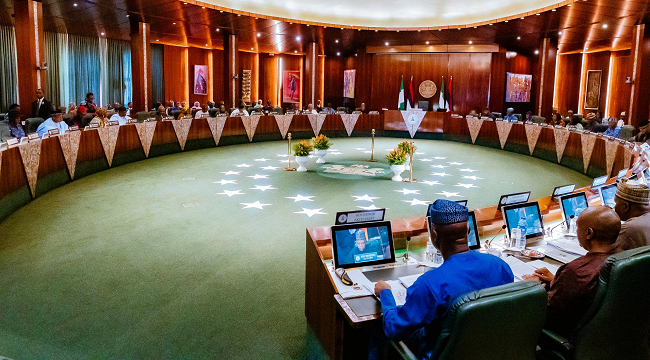
It is why it is pertinent to propose that the National Security Adviser should be a part of the design and implementation of Nigeria’s sustainable development goals. The wider implications will also include that the nation’s security votes – at all levels of administration – be submitted to more popular scrutiny than we have been used to in this country.
This is to ensure that the developmental dimensions of security are appreciated by all. But is the Office of the National Security Adviser as currently configured primed for this?
Tommy Odemwingie