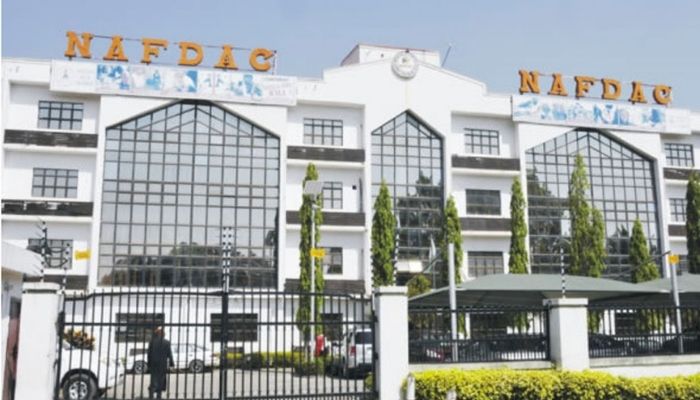
The fact that the critical issue of food safety should never be compromised, for whatever reason; to give assurance on the food items we consume virtually on daily basis will continue to be of significance to the well being of all citizens across the globe. It is in this regard that the series of warnings given by the National Agency for Food and Drugs Administration and Control, NAFDAC to consumers of sundry food items, especially some processed ones that are hazardous to human health because of the poisonous chemicals discovered in them must be taken seriously. Precisely, these timely warnings are often related to worrisome issues such as contamination with harmful substances, the presence of banned ingredients, or the circulation of substandard or counterfeit products. For instance, trending in the social media are specific examples of iced fish being preserved with formalin, a chemical used to preserve dead bodies.Another is that of Brominated Vegetable Oil (BVO). In fact, NAFDAC has implored consumers, importers, and distributors to exercise caution and vigilance regarding sodas and juice drinks containing BVO due to its potential health risks. Concerning Dichlorvos (Sniper), NAFDAC has warned against using dichlorvos, a chemical pesticide, to preserve food, citing its potential to cause cancer, death, and other debilitating health problems. On substandard multivitamin supplements, NAFDAC issued a public alert regarding the recall of multivitamin supplements due to the risk of poisoning. Not left out of the list is that of falsified meropenem Injection: NAFDAC alerted the public about the presence of counterfeit Lins Meropenem Injection in Abuja and frozen raspberries vontaminated with norovirus. In this regard NAFDAC warned against the consumption of frozen raspberries from China due to potential contamination with norovirus. Furthermore, with regards to Mislabeled Whole Foods Market PB&J Parfaits, NAFDAC has warned consumers about mislabeled parfaits containing soy and tree nuts that were not declared on the label. And has similarly highlighted the troubling issue of substandard medications: which can cause poisoning, treatment failure, drug resistance, and even death. With all these in the public domain, it has become necessary for enlightened citizens to key into the warnings and save more precious lives. Good enough, the alerts are in tandem with NAFDAC Laws which established the federal government agency. For instance, the National Agency for Food and Drug Administration and Control, was established by Decree No. 15 of 1993, later amended by Act Cap N. 1 LFN 2004. This legislation empowers NAFDAC to regulate and control the manufacture, importation, exportation, distribution, advertisement, sale, and use of food, drugs, cosmetics, medical devices, bottled water, and chemicals.
The agency’s primary goal is to safeguard public health by ensuring the availability of safe and quality regulated products. Considering the general advice from NAFDAC related to food safety, each and everyone of us has a vital role to play to sustain its success. We should therefore, exercise caution as importers, distributors, retailers, and consumers In fact, we should be vigilant and cautious throughout the supply chain to avoid purchasing or consuming unsafe food items. We can achieve this by reporting suspicious products, especially with the sale of banned, substandard, or falsified products to the nearest NAFDAC office. Since NAFDAC provides guidelines on food safety practices, including proper storage, handling, and preparation of food to prevent contamination, the processors should adhere strictly to these rules and regulations so as not to undermine the internationally accepted standards. Besides, we should heed to NAFDAC’s piece of advice against using harmful chemicals like dichlorvos for food preservation, as they can pose serious health risks. And when purchasing medications or food products, consumers should verify their authenticity and ensure they are from authorized suppliers. NAFDAC’s warnings and alerts are crucial for protecting public health by ensuring the safety and quality of food and drugs in Nigeria. For NAFDAC’s efforts to drive home the message of food safety, the task of public enlightenment should not be left to the agency alone. Some Non Governmental Organizations, NGOs should collaborate in this regard. The mass media should partner to get the vital information down to the grassroot, more so in the local languages. It is one all important matter that should be taught in both primary and secondary schools, as part of the dynamics in our education delivery. Doing so will make immense meaning as we would be assisting NAFDAC to protect our lives from the harmful aspects of the food and drugs we consume.