The recent successes in apprehension of shipments containing unregistered and illicit pharmaceutical products from permeating the Nigerian market has been attributed to the return of the National Agency for Food and Drug Administration and Control (NAFDAC) to the ports and borders, and support received from other agencies.
In May, after seven years of absence the agency was authorized to return to the ports after what Mojisola Adeyeye, NAFDAC’s DG, described as a period of “heightened readiness and alertness of the Agency’s Ports Inspection Directorate in the control of importation of drugs, food, chemicals, detergents, cosmetics, and packaged water.”
“When a country has no control of narcotics for about seven years, you can imagine the wrong that has taken place,” Adeyeye told BusinessDay in a previous interview.
READ ALSO: NAFDAC to partner Chinese, Indian agents against importation of falsified medicines

Adeyeye in a statement sent to BusinessDay, noted that, while acting on intelligence reports and in collaboration with the Nigeria Customs Service, NAFDAC monitored and intercepted 30 containers (between September and November) of unregistered pharmaceutical products that were destined for Nigeria. Prior to this time, 53 containers (in Lagos Ports) and 9 (in Onne, Rivers State) of unregistered pharmaceuticals were intercepted with the support of the Nigeria Customs Service. Of these latter containers, some have been examined while some are still waiting for examination.
“The release of these containers into the country would have wrecked more havoc to our society and the youth in particular. Subsequently, the Nigeria Customs Service called for a joint inspection/examination of the intercepted and blocked containers.
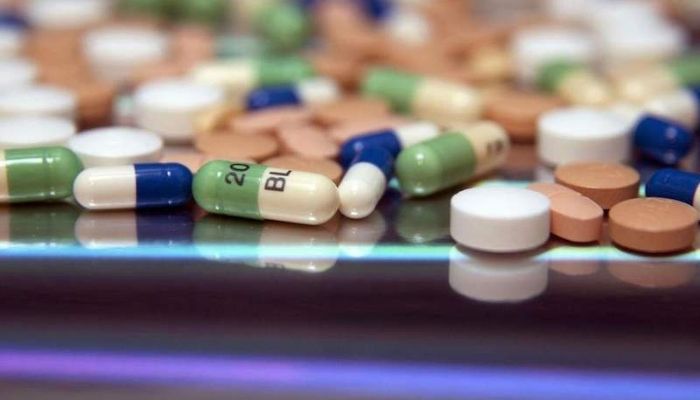
“Upon examinations, the detained containers were found to contain tramadol of high strengths and other unregistered medicines. Keeping to its mandate, NAFDAC thereafter seized the containers at the ports for possible evacuation and destruction. It is worth mentioning that one of the containers destined for Nigeria was later diverted to a West African country. However, with the support of the Security Agencies, the container was intercepted and detained,” Adeyeye said.
Adeyeye, on behalf of the Council and Management of NAFDAC, expressed gratitude to the Nigeria Customs Service under the leadership of Hammed Ibrahim Ali, the Customs Comptroller General, for renewed and consistent support and collaboration the Agency continues to receive from the Service. The NAFDAC DG noted that upon receipt of her letter on the intelligence report about these containers, the CG gave directives that led to the interception of those containers and prevention of release from the ports.
The statement further noted that the Agency’s support from the Office of National Security Adviser, engagement with the Nigeria Customs Service (NCS), support from the Comptroller General and officers of the NCS, plus change in paradigm of the Agency to ‘Customer-focused and Agency-minded’, have also positively influenced the control at the ports and borders.

Adeyeye reiterated that the return of NAFDAC to the ports and the collaboration with the Nigeria Customs Service have paid off with several interceptions. A joint destruction exercise with the NCS will take place in the near future. Further, the collaborations have led to the formation of a Joint Committee of the NCS and NAFDAC. This is to further strengthen the existing collaboration with the aim of ensuring that Nigeria is no longer considered a harbor for substandard and falsified medicines and substances of abuse and illicit drugs.
CALEB OJEWALE