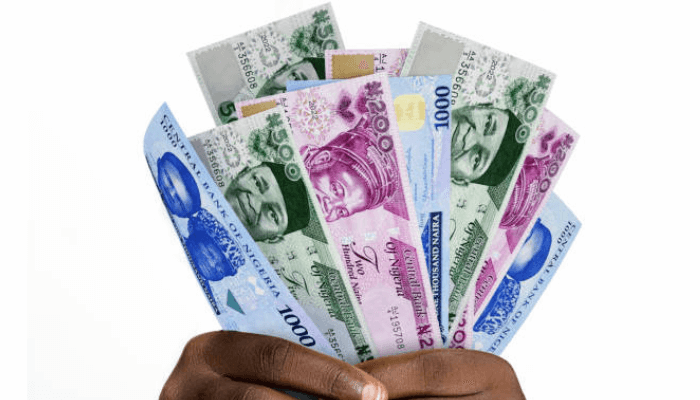
Multinationals are planning fresh investments in Nigeria after a wave of exits in the last two years, as the nation’s currency stabilises.
Wilmar International Ltd became the latest entrant after the Singaporean food company announced plans to acquire all the shares in a palm oil venture with PZ Cussons for $70 million last week in a deal that is expected to partly plug the edible oil deficits in Africa’s most populous nation.
The company, listed on the Singapore Exchange and led by Asian billionaire Kuok Khoon Hong, also acquired 8,500 hectares (21,004 acres) of old rubber plantations to grow crops that will produce edible oil as part of its expansion move.
According to Santosh Pillai, chief executive officer of Wilmar’s African unit, the country’s “landscape is beginning to shift”, a situation that informed the company’s decision to commit to invest in the continent’s largest consumer market.

“Policy changes, particularly greater stability in the naira and improved access to foreign exchange – are creating a more viable environment for long-term investment. Wilmar remains committed to driving sustainable growth in Nigeria’s palm oil sector,” Pillai told Bloomberg.
The Central Bank of Nigeria in June 2023 removed currency controls, allowing the naira to be determined by market fundamentals. The apex bank also adopted the Bloomberg Matching System for FX trading to enhance transparency, and resumed Open Market Operations (OMO). The CBN’s actions spurred dollar inflows and boosted investor confidence.
Read also: What rising Middle-East tensions mean for naira
Wilmar’s latest entry follows French food giant Danone’s moves to double down expansion plans in a country that has witnessed exodus of multinationals in recent times with some shrinking their presence or exiting outright.
“We are convinced about the potential of Nigeria,” said Christian Stammkoetter, Danone’s head of Asia, Middle East, and Africa, who spoke with Semafor on the sidelines of the Africa CEO Forum in Abidjan, May.

Investments have begun to flow into the country after a series of painful but necessary reforms were taken by President Bola Tinubu more than two years ago.
The policies have seen the naira maintain relative stability even in the face of heightened global tension and inflation – a key drag on company’s operation – has receded for the second month in a row.
Analysts say if the policies are sustained for at least five years and Nigeria’s macroeconomic conditions continue to improve, outgone foreign companies like GSK, Procter & Gamble, Unilever may be wooed back to the country.
This improving fundamentals have also led to international ratings as Fitch and Moody upgraded the country’s credit rating on growing confidence in the nation’s economy.
In May, Moody’s upgraded the country’s foreign currency debt rating. It raised its credit rating for the nation to B3, six notches below investment grade, from Caa1, and changed the outlook to stable.