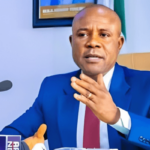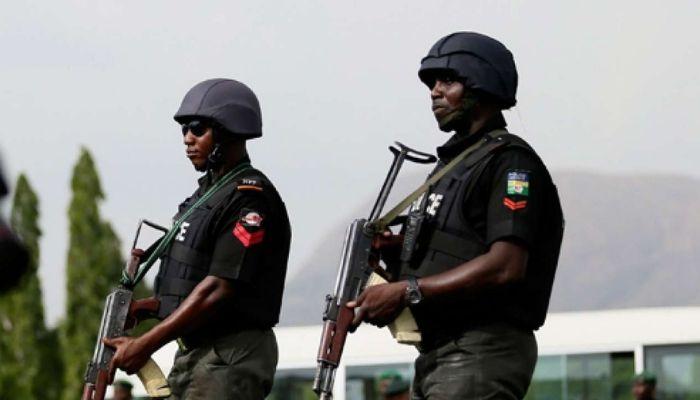
The absurdity of Nigeria’s policing practice has now spilled fully into the public square. Just last week, a video went viral on social media featuring Nollywood actor Joseph Daniels, making an emotional appeal to President Bola Ahmed Tinubu. Daniels did not speak as a star but as a weary citizen, echoing the anguish of millions who have endured the humiliation of police officers weaponising a non-existent “permit” to extort the public. His plea resonated precisely because it was not unique: it gave voice to a shared agony. Checkpoints, meant to ensure safety, have degenerated into toll gates where bribes are exacted under the guise of law enforcement. When actors, drivers, traders, and commuters all cry out in unison, Mr President, the message is unmistakable: this is not an isolated grievance; it is a national disgrace.
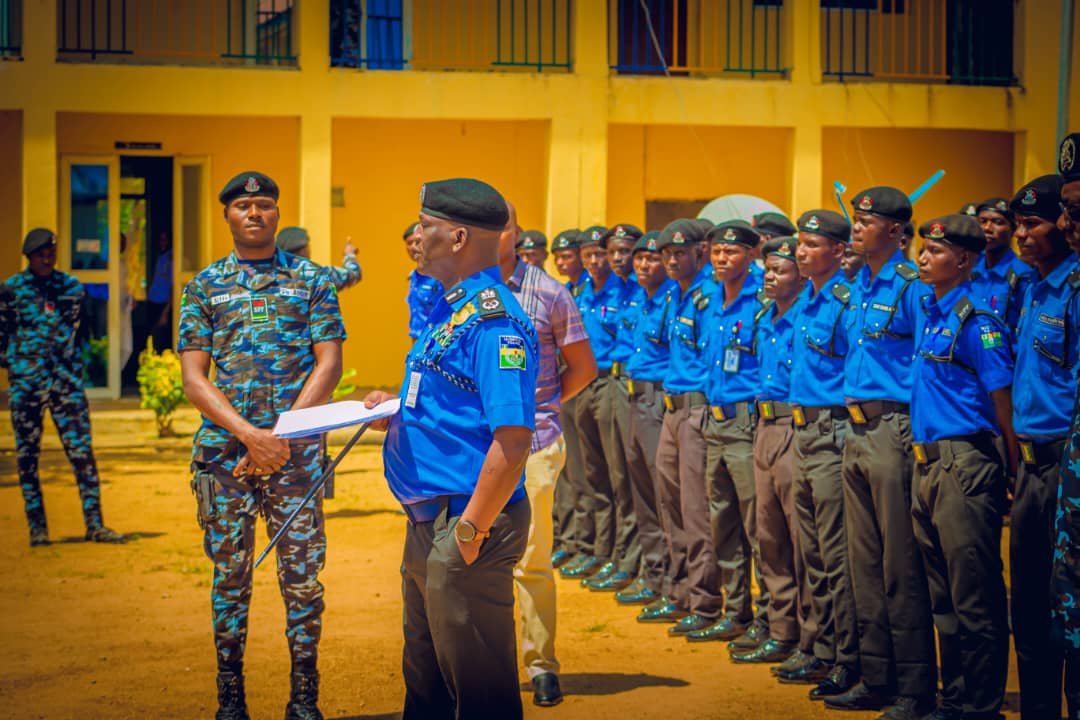
Nigeria’s police officers have turned the roads into open-air cash machines. Daily, ordinary citizens are forced to part with hard-earned money just to move freely on their own roads. These extortions are not “pocket crimes” but an organised racket, well known to senior officers, yet conveniently ignored. The irony is stark: while the state struggles to raise legitimate revenue through taxation, its police are illegally raising revenue off the books, enriching individuals and perpetuating corruption.
Mr President, nowhere in the civilised world are police officers tasked with revenue generation. In the United States, the UK, Canada, or South Africa, the role of the police is simple: to enforce the law and protect citizens. Revenue comes through structured taxation, fines imposed by courts, and clearly defined administrative penalties, not through a man with a gun at a checkpoint demanding ‘something for the boys’. Nigeria’s practice is an aberration, a stain on governance, and an insult to the rule of law.
Consider the case of Ferguson, Missouri, in the United States. A Department of Justice report in 2015 found that the city’s police had been transformed into revenue agents, aggressively ticketing residents to fund municipal coffers. The outrage was so fierce that it triggered nationwide reforms and a consent decree against the city. Even in that scenario, at least the money entered public records, unlike in Nigeria, where these daily bribes vanish into private pockets. If America could call it a scandal that police raised revenue legally, what then should we call the Nigerian model of extortion without accountability?

This racket is not victimless. It deepens public mistrust of law enforcement, fuels corruption, and erodes national dignity. Every N500 note collected at a checkpoint is a reminder that the Nigerian state is failing to police its own police. Citizens are left unsafe, not because crime is rampant, but because those meant to protect them are too busy collecting bribes. Worse still, younger officers are socialised into this culture, learning early that extortion is not only tolerated but expected.
It is time for decisive leadership. Mr President, this crisis cannot be solved with another press release from the police high command. Nigerians no longer take those seriously. What is required is a presidential directive that bars police officers from setting up checkpoints for revenue purposes, with strict consequences for violators. Just as importantly, the Ministry of Police Affairs must design transparent monitoring systems, including community hotlines and independent audits, to ensure compliance.
Technology offers solutions, too. Body cameras, already in use globally, can curb abuses when paired with real-time reporting. Digital payment systems for legitimate fines can remove cash from the hands of officers. Most critically, the government must fund the police adequately, so officers are not tempted to view extortion as ‘welfare’. A hungry, poorly paid policeman is a danger to society, but systemic extortion is not welfare; it is a crime.
Mr President, Joseph Daniels’ cry is not merely an actor’s lament. It is the voice of a nation exhausted by humiliation. To ignore it is to signal that the government is complicit in the extortion game. Nigerians are asking you, not the Inspector-General, to stop this racket. End it now, and you will restore public trust in the police. Allow it to fester, and the checkpoints will remain symbols of state failure: toll gates of shame on the Nigerian road to progress.
History will judge not by how many roads were built, but by whether those roads were free of fear, harassment, and illegal taxation. Mr President, stop the police revenue game before it stops Nigeria.