Almost 95 percent of financial industry leaders are optimistic about the three-year economic outlook in Africa, despite macroeconomic uncertainties and tensions in its financial markets, a new report has said.
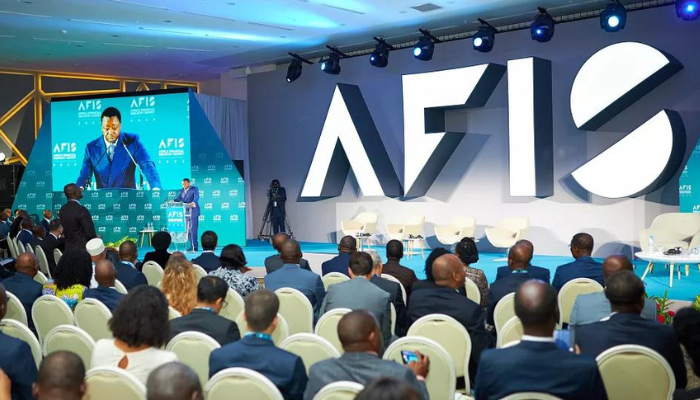
The third edition of the report, themed ‘Building a world-class African financial industry’, was published by the Africa Financial Industry Summit (AFIS) in conjunction with Deloitte.
It showed insights into Africa’s progression towards building a world-class financial industry in 2024.
According to the report, financial leaders are optimistic due to improvements in asset-liability management, risk management, and capital management by the industry in response to persistent inflation and lower interest rates.

“The third edition of the African Financial Industry Barometer highlights significant progress and persistent challenges in the African financial industry,” the report said.
It said as the sector continues to navigate a complex global environment, the study underscores the importance of innovation, digital transformation, and regional integration in shaping a resilient and prosperous African financial future.
Ramatoulaye Goudiaby, director of AFIS, said the commitment to green finance and carbon neutrality, albeit nascent, is a positive step towards sustainable development.
Across Africa, economic growth is expected to modestly increase from an average of 3.3 percent in 2023 to 3.5 percent in 2024.
However, global economic slowdown, high debt sustainability risks, the unfolding climate crisis, and ongoing geopolitical instability are factors that continue to pose challenges to the region’s economic prospects.

Economic growth remains a potent remedy for poverty. As African countries pursue consistent expansion, they unlock opportunities for job creation, entrepreneurship, and higher incomes.
The AFIS report also said industry leaders perceive their digital maturity has increased, convinced by open banking/insuring, which has been the key driver of digital transformation.
“Many players are taking pragmatic measures – such as adopting more selective distribution approaches, creating guarantee funds and improving internal capital generation – in some cases to the detriment of financing the real economy,” the report added.
Financial performance indicators remain solid despite profitability declines in several sectors. Yet access to capital management instruments remains limited.
The struggle for liquidity and refinancing via capital markets persists with 70 percent of respondents (compared with 56 percent in the previous Barometer) rating market access and depth as insufficient despite an increase in transaction volumes.
This problem is particularly noticeable in foreign exchange transactions and fundraising due to strict regulations
According to the Barometer report, Africa’s $250 billion annual climate finance needs investment in green finance because it remains limited with only 10 percent of respondents committed to green bond issuance.
“The industry will also need to explore realistic paths towards the zero-carbon objective, given that only 22 percent of financial institutions have a clear net-zero trajectory” the report added.
The African financial industry’s perceived attractiveness has been impacted by political turmoil in the region and divestments by major international players over the last five years, such as Standard Chartered, BNP Paribas and Société Générale.
Only 48 percent of respondents consider the industry more attractive, compared with 61 percent in the last Barometer.
“By capitalising on pan-African opportunities and overcoming structural obstacles, the African financial industry is well positioned to play a leading role in the global economy. Deloitte and AFIS remain dedicated to providing key insights and supporting the development of this vital sector for Africa’s future,” Aristide Ouattara, partner of risk advisory business line at Deloitte Afrique Francophone, said.