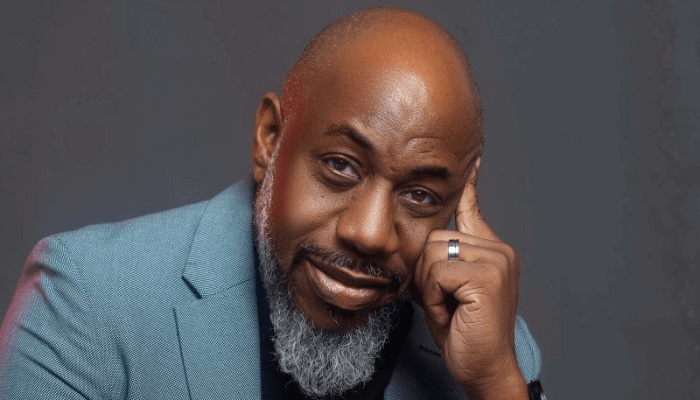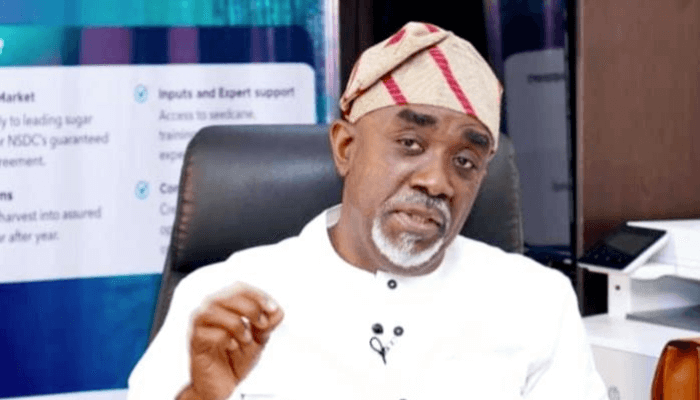
Despite rising inflation, high interest rates, and increasing construction costs, Nigeria’s mortgage and housing finance industry continues to adapt and evolve. In this interview, Ngozi Chukwu, acting managing director of Infinity Trust Mortgage Bank (ITMB), speaks with JOHN OSADOLOR, and FAVOUR OKPALE, on the sector’s challenges, opportunities, and the bank’s strategic efforts to deepen mortgage accessibility, expand operations, and promote affordable housing. Excerpts:
How would you assess the current state of the mortgage and housing finance industry in Nigeria?
The mortgage and housing finance industry in Nigeria is both transformative and resilient, despite very significant economic headwinds. The sector is grappling with high interest and inflation rates, yet showing renewed institutional focus and evolving consumer demand.
Government monetary policy, especially the steady increase in the Monetary Policy Rate (MPR) from 11% to as high as 27.5%, has made credit extremely expensive. Average mortgage lending rates now hover around 28–30%, which is clearly unaffordable for most Nigerians.

In addition, inflation and foreign exchange liberalization have driven up the cost of imported building materials, translating into higher housing costs. However, recent government interventions—such as the Ministry of Finance-Related Investment Fund (MREIF), which offers single-digit loans at 9.75%—are helping to cushion the impact. The demand for mortgages under this window has been overwhelming.
How would you assess the government’s overall effort to support the mortgage sector?
The introduction of single-digit mortgage loans through MREIF is commendable—it’s a game changer. However, more needs to be done.
Mortgage banking’s contribution to Nigeria’s GDP is less than 1%, compared to 20–40% in developed economies. We need stronger policy support, particularly access to low-cost, long-term funds, if we truly want to deepen mortgage penetration and make homeownership achievable for more Nigerians
What unique positioning does Infinity Trust Mortgage Bank bring to this evolving landscape?

We have fully embraced the MREIF initiative and are working closely with the Ministry of Finance to provide single-digit mortgage loans. We strictly maintain the approved 9.75% interest rate—no additional charges—because the goal is to make homeownership genuinely affordable.
Many of our customers have already benefited from this initiative, and more are in the process of accessing these facilities.
In August 2024, ITMB announced plans to raise ₦50 billion through private placement. What informed this decision?
As a mortgage bank, our operational scope is somewhat limited by regulation. To expand our reach—especially to underserved and rural areas—we decided to strengthen our capital base through a private placement.
We want to impact communities at the lower end of the economic ladder, where access to mortgage finance is minimal. This capital raise aligns with our long-term vision of being not just a leader in the mortgage industry but a key player in the broader banking sector. The process is still ongoing, and we expect significant progress in the coming year.
What are the key areas the funds will be applied to?
About 50% will be used for liquidity reserves to enhance lending capacity, and 20% will go into technology and digitalization. We aim to reach more customers digitally rather than through physical branches.
The remaining 30% will support investments in operations, recruitment, rebranding, and other initiatives to strengthen our market leadership.
Are there plans to collaborate with fintechs or other institutions to expand your reach?
Yes, we intend to become a fully technology-driven bank. Initially, we may collaborate with existing fintechs to deliver seamless mortgage services digitally. Over time, our goal is to develop our own in-house digital platforms to enhance customer access and experience.
With Nigeria’s housing deficit estimated between 20 and 28 million units, what role can mortgage banks like ITMB play in bridging the gap?
The key to closing the housing gap is affordable finance. Most Nigerians cannot afford homes outright, and very few can manage mortgage rates of 25–30%. That’s why single-digit financing through initiatives like MREIF is critical.
We were the first mortgage bank to sign up for MREIF. Our initial ₦5 billion allocation was exhausted within months due to massive demand. Our new ₦12 billion limit is also nearly fully utilised. This shows how deeply Nigerians desire affordable mortgages—and how effectively we’re contributing to reducing the housing deficit.
What would you consider an “affordable house” in today’s market?
Affordability is relative, depending on income levels. However, given today’s costs, a decent home within major cities would cost between ₦80 million and ₦100 million. Buyers typically pay 10% equity and spread the balance over 20 years.
That said, many Nigerians still cannot afford that range. So, we introduced incremental housing loans—a flexible product for lower-income earners. It allows customers to borrow small amounts at different construction stages—foundation, lintel, roofing—until completion. This innovation promotes inclusivity and supports those unable to afford large upfront mortgages.
How is ITMB supporting women, youth, and the informal sector who often struggle with conventional mortgage requirements?
Awareness is key. Many Nigerians still don’t know mortgages exist locally, so we’ve increased publicity through print, broadcast, and especially social media to reach younger demographics.
We also serve informal-sector clients—market women, artisans, and traders—who are often excluded by other banks. With support from the Development Bank of Nigeria (DBN), we offer loans for business premises ownership and tailored mortgage products designed for their unique income patterns.
What policy reforms would most effectively strengthen mortgage lending and reduce the housing shortfall?
The government must simplify and reduce the cost of land titling and registration. The current manual process is slow, expensive, and discourages both lenders and borrowers.
We need a digital, transparent land registry to make title perfection faster and cheaper. This reform alone would greatly enhance the security of mortgage transactions and attract more investment into the sector.
How can public and private sectors collaborate better to unlock long-term mortgage financing?
Synergy is essential. The government can provide land and basic infrastructure—roads, water, electricity—while the private sector handles development. When government supplies land, it can cut project costs by up to 50%.
Similarly, interest-rate subsidies, such as through MREIF and the Federal Mortgage Bank of Nigeria (FMBN), should be sustained and expanded. Strengthening FMBN’s capacity will also deepen access to affordable mortgages.
How is the bank mitigating risks associated with mortgage defaults while maintaining profitability?
We prioritize quality loan origination and strong risk management. Rather than chasing bad loans, we ensure from the start that every loan is well-structured and backed by sound documentation.
Unfortunately, many Nigerian states have yet to adopt mortgage foreclosure laws, making recovery difficult when defaults occur. Nonetheless, our risk management framework has helped us maintain one of the lowest non-performing loan ratios in the industry.
How have your 15 years of experience shaped your leadership style?
I started from the entry level and have risen through the ranks, which taught me resilience, diligence, and attention to detail. In mortgage banking, mistakes can be costly—so thoroughness is essential.
I’ve learned to lead with commitment, discipline, and an insistence on due diligence. Those values now guide how I manage the bank and mentor others.
What are your expectations for the mortgage sector—and ITMB—in the next five years?
Growth. I want Infinity Trust Mortgage Bank to expand its reach, profitability, and impact so significantly that we can compete favorably with commercial banks.
My goal is for ITMB to help bridge at least 50% of Nigeria’s housing deficit, becoming a model of mortgage innovation and inclusion in Africa.
What milestone stands out in your career?
When we became a publicly listed company in 2013, it marked a turning point—for the bank and for me. That development fueled my determination to drive business growth and establish ITMB as a leader in the mortgage space.