A section of the All Progressives Congress (APC) in Rivers State says it can clearly see what Olubunmi Tunji-Ojo, minister of Interior, is trying to do in Nigeria in the past two years, especially his youth rescue programmes.
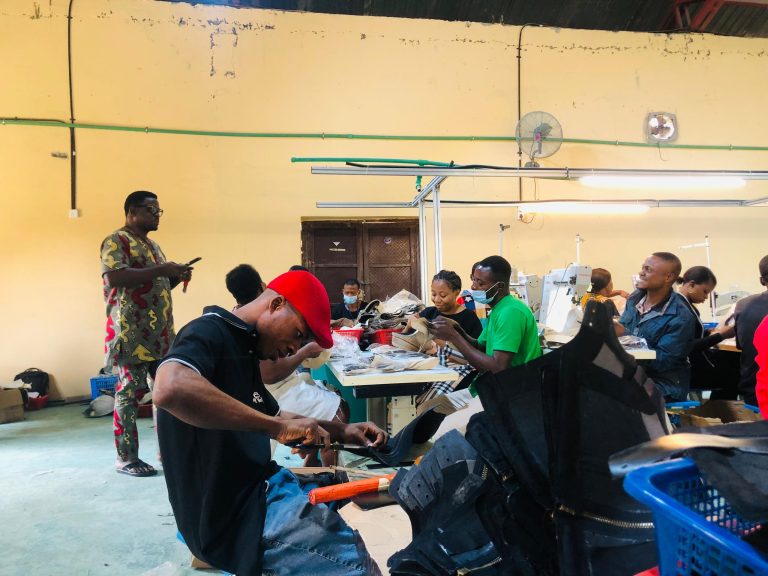
Tunji-Ojo, who has made waves with his scheme to introduce skills centres close to major correctional centres to rescue inmates with skills so they can lead productive lives after life in incarceration, seems to catch attention around Nigeria including in Rivers State that is a highly volatile and politically fractionalised entity.
Darlington Nwauju, a chieftain of the APC in the state, has described the performance of the minister as eloquent testimony that youths in Nigeria can contribute positively to the development of the nation.
In less than two years, according to Nwauju, there is verifiable evidence of the impact of reforms Tunji-Ojo introduced to that Ministry, which he said many Nigerians could attest to.


“It is not possible that you walk into an ATM (automatic Teller machine) pay point, withdraw your own money and start clapping for being paid. It is right to critically appraise a sector that was asphyxiated before today and confirm that it’s been oxygenated, now serving the public good and justifying tax payers’ money put into that Ministry.
“Talking about taxpayers’ money, the Ministry of Interior has overshot the targets set for it in the last two budget cycles in terms of revenue generation. And there are clear indicators that the weeks and months ahead may witness improved performances with the cooperation of the National Assembly committees with oversight powers on that Ministry.”
The Rivers APC chieftain said there was no way ‘return on investment’ of taxpayers’ money into that Ministry would not yield dividends given the management tact and leadership qualities of the Minister.
On the balance of probabilities, he added, public office holders can actually be reasonable, responsible, and responsive if the public can identify them and protect them to ensure they are not intimidated out of the public space by those who are used to poor service delivery.

Nwauju said: “Youths in Nigeria make up over 60% of the voting demographics and it is expedient for those of us interested in the daily running of this country not to allow those who believe that we must stay perpetually at the backwaters of Nigerian politics, to continue to play on our intelligence.
“In terms of performance that can be corroborated, Dr Tunji-Ojo facilitated the release of over 4000 inmates from different Correctional facilities who were serving prison terms that were avoidable by payment of fines. He did this by mobilizing corporate bodies to raise N585million (as part of their corporate social responsibilities) to get these persons out. Most of them are youths.
“Over 100,000 personnel of the paramilitary services under the Interior Ministry have been promoted so far in two promotion exercises. There is ease of passport application & collection; he has cleared backlog of over 200,000 passports; established enhanced e-passport facilities in Europe; launched contactless biometric passports; set up a command & control centre for the Nigerian Immigration Service (NIS); and handled the deployment of e-gates at Nigeria’s international airports.”
Nwauju also pointed at the re-modelling fire service academy, the creating of Mines Marshall system, and Paramilitary Academy, as other projects and programmes initiated by Tunji-Ojo in just two years.
The APC spokesman said most of these programmes and projects touch the youths, making the Minister the most youth-friendly Minister.
He said a visit to Aba Correctional Centre evokes tears as prospects of turning young people from gloom to boom stars anybody in the face.
He also said the creativity in each of Tunji-Ojo’s programmes alone shows the fertility of mind inside the Minister’s heart that churns out these programmes. He said the Minister also intervenes any time scandals erupt in the Correctional system to save the image of the nation because the prisons (now correctional centres) are the most vulnerable points in any nation’s social system.