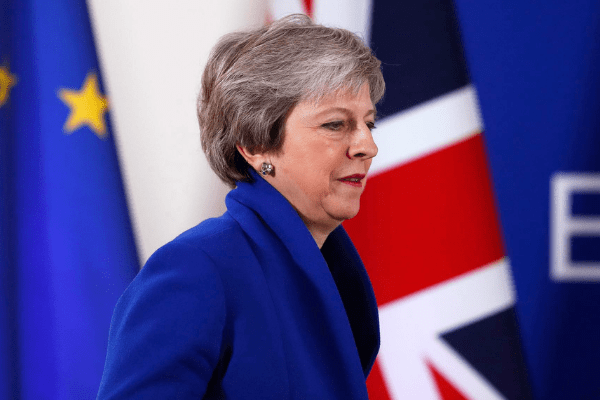
Theresa May will embark on a two-week campaign to sell the historic Brexit deal agreed by European leaders, telling MPs they risk plunging the country into “more division and uncertainty” if they reject it.
The terms of Britain’s exit from the EU were signed off at a tightly choreographed European Council meeting on Sunday, but Britain’s prime minister now faces a struggle to win over a hostile House of Commons.
After months of tensions over Brexit, Mrs May and the EU27 leaders are now engaged in a joint political fight to persuade MPs to ratify the exit deal; the British premier insisted it was “a deal that works for the UK and the EU”.
The deal aims to deliver a smooth divorce to end Britain’s 45-year involvement in the European project, although many details of the future relationship between the two sides have yet to be agreed.

Mrs May agreed with Jean-Claude Juncker, European Commission president, and Donald Tusk, European Council president, that both sides should insist the deal was the only option on the table, with no plan B.
She told a Brussels press conference: “If people think there’s another negotiation to be done, that’s not the case.” If the Commons rejected the deal it would “open the door to yet more division and uncertainty”.
Mr Juncker, speaking after the short summit in Brussels, delivered a near identical message: “This is the best deal possible for Britain, this is the best deal possible for Europe, this is the only deal possible.”
Some pro-EU cabinet ministers have speculated that Mrs May will need to fall back to a “softer” Brexit, including a “Norway-style” single market deal; Eurosceptics say she should consider a “managed” no deal exit.
The terms of Britain’s departure — scheduled for March 29 next year — were finalised before lunch, as EU27 leaders signed off on a 585-page withdrawal treaty and a shorter political declaration on a future relationship.

The mood was solemn as EU leaders contemplated the legal texts that will see the biggest reversal of the project of European integration since it began in the 1950s. “It is a sad moment, a tragedy,” Mr Juncker said.
Mrs May was asked if she was sad, but replied: “No. But I recognise that some European leaders are sad and some others at home in the UK are sad at this moment.”
But Mrs May now has to sell the deal at home ahead of a parliamentary vote next month, with opposition parties ranged against the proposal and more than 90 Conservative MPs publicly recording their criticism.
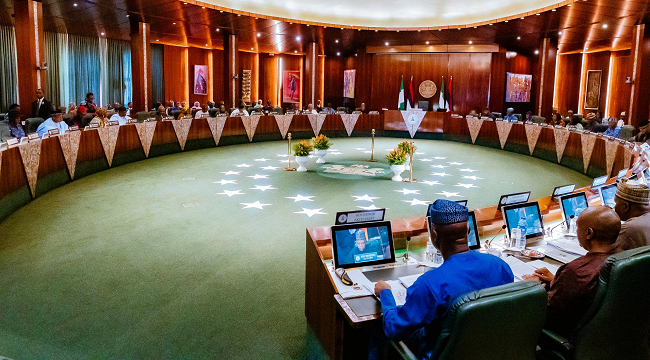
On Monday Mrs May convenes her cabinet to discuss how to avoid a defeat; so far many of the prime minister’s Eurosceptic ministers have failed to endorse the deal publicly.
She will follow up with another Commons statement to MPs on Brexit — the third in the past 10 days — before heading off around the country later in the week to appeal for public support.
Meanwhile the government will publish its economic analysis of the deal — which offers a smooth exit and a transition deal lasting up to December 2022 — compared with the costs of a disorderly “no deal” exit.
The analysis, which has already been branded “Project Fear II” by Eurosceptics, will also look at the economic benefits of achieving the “frictionless trade” promised in the Chequers white paper.
For the EU27, the summit was a moment for quiet satisfaction, given that the 2016 Brexit referendum did not trigger an unravelling of the club — instead the remaining member states held together throughout the negotiations.
The one-day European Council went ahead after Spain and Britain reached an agreement over the future status of Gibraltar in any subsequent EU-UK trade deal, with Madrid claiming it had secured a vital say in the future of the British territory.